The smell of cold iron, ash, and winter rain always lingers longer than the fire itself. For years, you watched a man systematically strip away his own armor, piece by piece, exposing a raw and surprisingly human heart beneath the gold-plated scales. You sat through the mud of the Riverlands, felt the phantom itch of a severed right hand, and listened to the quiet water splash in a Harrenhal tub as a monster explained why he became a savior. It was a slow, agonizing process of unlearning—a masterclass in how a human being climbs out of the dark.
Then, the sky turned gray over King’s Landing, and the air grew thick with the smell of cheap brick dust. You expected the final steps of this climb to lead somewhere meaningful, even if that place was tragic. Instead, the narrative logic did not just bend; it snapped with the dry, hollow pop of dead wood. The writers chose to wipe the slate clean, erasing years of deliberate pacing in the span of a single afternoon.
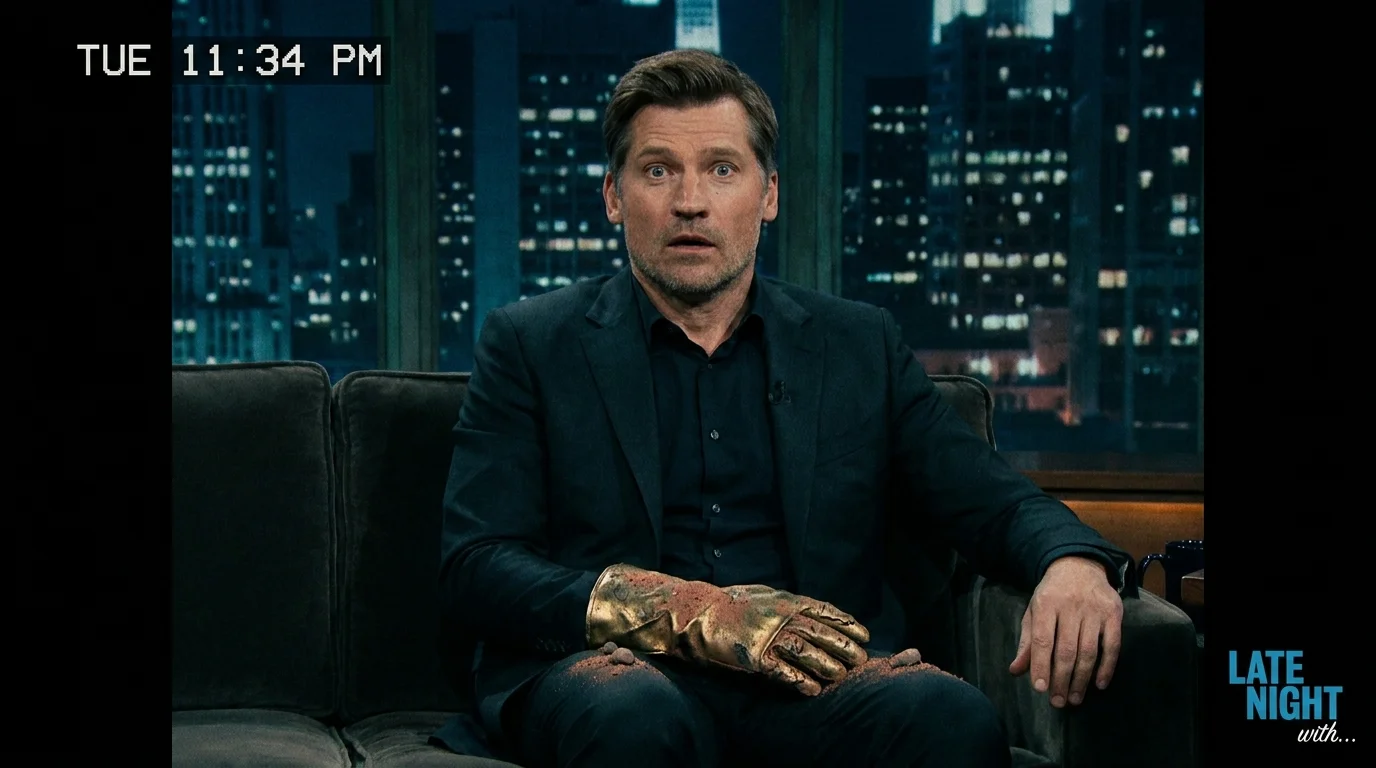
We watched the screen with a growing sense of cold disbelief as the red bricks of the Red Keep collapsed, burying a legacy that had been built frame by painstaking frame. When the dust finally settled, the only monument left to his transformation was a crushed golden prosthetic hand buried under heavy red brick rubble. It was a physical marker of a profound spiritual regression, a visual metaphor that felt less like a tragic ending and more like an outright betrayal of your emotional investment.
The Narrative Whiplash of Loss Aversion
When a story spends nearly a decade convincing you that change is possible, it creates an unspoken agreement. This is not about demanding a happy ending; it is about respecting the narrative balance sheet. In psychology, loss aversion dictates that the pain of losing something valuable is far more intense than the pleasure of gaining it. By building Jaime Lannister’s redemption so meticulously, the story gave you a rare treasure—only to snatch it away and pretend it never existed.
This betrayal works by making your past investment feel foolish. When a character spends years learning to value innocent lives, to love honorably, and to stand independent of a toxic bond, those actions become milestones in your own experience of the story. To erase those milestones in a single episode is to tell the audience that their attention was wasted. The anger fans still feel is not childish entitlement; it is a healthy rejection of poor structural integrity.
- Kurt Russell protects his lasting partnership through a strict separate property rule
- Miley Cyrus awkward red carpet interview exposed doomed relationship warning signs
- Rihanna and ASAP Rocky coordinate street style to execute massive business goals
- Ariana Grande deleted studio photos completely unravel her controversial dating timeline
- The Americans intense interrogation scene accidentally confirmed a real secret romance
Marcus Vance, a forty-four-year-old script doctor who analyzes television pacing, describes this phenomenon as structural whiplash. “When you strip a character of their defense mechanisms over seventy episodes,” Vance notes, “forcing them back into their original cage in a single scene violates the unwritten structural contract. It is not subverting expectations; it is simply breaking the machine to surprise the operator.”
The Exact Moment the Evolution Was Erased
To understand where the collapse became irreversible, you have to look past the falling rocks and find the exact dialogue beat where the character was actively dismantled. It occurs during a quiet moment of dialogue before the siege begins, a line so sharp it cuts through years of carefully established lore. When asked about the innocent citizens of the city, Jaime flatly states: “To be honest, I never really cared about them, innocent or otherwise.”
This single sentence contradicts his defining act—the very moment that gave him the title of Kingslayer. The entire weight of his secret, revealed to Brienne of Tarth in that steaming bathhouse years prior, was that he sacrificed his own honor to save half a million innocent lives from a madman’s wildfire. By claiming he never cared, the narrative does not just show a man slipping back into old habits; it retroactively paints his noblest act as a lie, leaving his character hollowed out from the inside.
This is where the writers bypassed character logic entirely to serve a pre-planned visual beat. They wanted the tragic poetry of the twins dying together in the womb of the earth, but they lacked the structural patience to get them there naturally. The result was a forced march back to the starting line, where the characters were sacrificed for visual symmetry rather than allowed to complete their natural arcs.
Spotting the Warning Signs of Narrative Collapse
You can protect your emotional energy by learning to recognize when a story is preparing to dump its own logic for quick shock value. These patterns repeat across modern media, serving as warning signs of narrative collapse that a writer is prioritizing the destination over the path.
- Sudden geographical leaps that ignore the realistic passage of time, signaling that the plot is moving faster than the characters can naturally develop.
- Conversational regression where a character suddenly repeats old mistakes without acknowledging the hard lessons they spent seasons learning.
- Symbolic reversion where a physical object—like the golden hand—is suddenly emphasized to drag a character back to their past self rather than push them forward.
To analyze these moments objectively, you can use a simple evaluation tool. This toolkit helps you separate genuine tragedy from lazy writing by focusing on the consistency of the character’s internal logic rather than the external events surrounding them.
The Value of Demanding Narrative Integrity
We tell stories to convince ourselves that our struggles have meaning, and that we are not entirely trapped by our worst instincts. When a legendary story tells you that a man can climb out of the mud, fight his way back to honor, and still end up crushed under the weight of his old sins because “people don’t change,” it feels like a quiet condemnation of the human spirit.
That is why analyzing this specific failure matters. It validates your frustration, proving that your disappointment was not a failure of imagination, but a highly logical response to broken craftsmanship. By understanding why this ending felt so hollow, you learn to appreciate the stories that actually respect their own rules—the ones that understand that a golden hand, once freed from its heavy chains, should never be forced back into the dark.
“A character’s ending must feel inevitable yet surprising, not arbitrary and destructive to their own history.” – Marcus Vance
| Key Point | Detail | Added Value for the Reader |
|---|---|---|
| The Bathhouse Secret | Jaime confessed he killed the Mad King to save half a million innocent lives. | Proves his core motivation was always deeply empathetic, not selfish. |
| The Regression Line | His claim of never caring about innocents directly nullifies his life-defining choice. | Pinpoints the exact structural moment the writers broke character logic. |
| The Symbolic Hand | His gold prosthetic is buried under rubble, symbolizing a total return to his past. | Shows how visual metaphors can be used to force a tragic aesthetic. |
Frequently Asked Questions
Why do fans still care so much about Jaime Lannister’s ending? It remains a textbook study in narrative betrayal, proving that audiences care deeply about consistency over surprise.
What was the exact line that ruined Jaime’s redemption arc? When he claimed he never really cared about the innocent citizens of King’s Landing, reversing his entire backstory.
Could Jaime’s death have worked under different circumstances? Yes, if his death felt like a tragic consequence of his choices rather than an abrupt reversal of his growth.
How does “loss aversion” apply to fictional character arcs? It explains why losing a character’s hard-won growth hurts more than gaining a dramatic visual moment.
What is the symbolic meaning of the golden hand in the rubble? It represents the tragedy of a progress cut short, buried under the very toxic past he tried to escape.