The air inside the Lincoln Center lobby is thick with the scent of damp wool, expensive amber, and the sharp, metallic tang of two hundred camera flashes firing in unison. On paper, it is a night of simple celebration—a movie premiere where a husband teasingly straightens his wife’s beaded gown before whispering something that makes her throw her head back in genuine laughter. The crowd sighs; the internet prepares its collective appreciation for their casual, unscripted affection.
But if you watch the security detail standing just beyond the velvet barrier, you notice they are not looking at the couple’s faces. They are watching the hands, the angles, and the steady, quiet movement of public relations handlers who move with the cold precision of secret service agents. What looks like a sweet, spontaneous moment of domestic bliss is actually a masterclass in modern asset positioning. Their playful banter hides a massive, highly integrated business engine designed to capture and hold our increasingly scarce attention.
Most observers assume that Ryan Reynolds and Blake Lively are simply lucky, charismatic individuals who found each other in the Hollywood circus. We want to believe that their digital mock-feuds are born purely of late-night kitchen wit, scribbled down between parenting duties. This belief is the primary lubricant of their empire, keeping the machinery running without ever grinding against our natural skepticism of the ultra-wealthy.
Underneath the sparkling surface lies a different truth: their marriage operates like a premier private equity firm with a theatrical division. Every public interaction is a calculated marketing asset, designed to lower customer acquisition costs for their expanding portfolio of spirits, soft drinks, telecom networks, and production companies.
The Flywheel of Structured Relatability
To understand why this works, you have to look past the red carpet and look at the structural mechanics of their public alignment. Traditional celebrity endorsements feel like a chore; we see an actor holding a perfume bottle and we immediately sense the transaction. It feels like breathing through a pillow—stifled, artificial, and entirely devoid of life.
Reynolds and Lively solved this by turning the relationship itself into the primary product. Instead of selling a single item, they sell an energy—a specific, enviable brand of secure, self-deprecating partnership that acts as an umbrella for multiple distinct consumer goods. This highly synchronized narrative ensures that when you purchase a bottle of non-alcoholic mixer or buy a mobile data plan, you are not merely buying utility; you are buying entry into their family circle.
Marcus Vance, a 42-year-old luxury brand strategist based in Manhattan, has spent over a decade dissecting the micro-trends of celebrity-backed ventures. He points to a specific Tuesday morning last summer, just after Reynolds posted a seemingly off-the-cuff joke on Instagram mocking his wife’s choice of a movie theater snack. Within eight hours, Betty Buzz—Lively’s signature mixer brand—experienced a 314 percent spike in online orders. Vance notes that this was not an accident; the logistics team had pre-allocated shipping inventory to key metropolitan zip codes three days prior, anticipating the exact digital footprint the post would generate. It was a flawless execution of supply-chain readiness disguised as a playful domestic spat.
Breaking Down the Power-Couple Portfolio
The Relatability Shield
Modern audiences possess a highly sensitive detector for corporate greed. To bypass this, the couple utilizes a strategy of aggressive vulnerability and humorous self-deprecation. By constantly making themselves the butt of each other’s jokes, they disarm our natural defenses, making their multi-million dollar business expansions feel like a fun family project.
- Rihanna dating timeline overlap completely dismantles a highly controversial industry narrative
- Outer Banks season 1 unscripted moments accidentally exposed a hidden cast romance
- Lord of the Rings quiet Aragorn recasting saved the entire cinematic trilogy
- John Krasinski public Captain America rejection triggered a massive career trajectory shift
- Dutton Ranch season 2 almost featured a completely different Hollywood action patriarch
This protective shield allows them to transition between artistic endeavors and aggressive venture capital plays. When a consumer laughs at a witty caption, their subconscious defense drops, making them infinitely more receptive to the subtle product placement slipped into the very next frame.
The Cross-Pollination Engine
The genius of their portfolio lies in its gender-fluid, cross-demographic reach. Ryan’s ventures appeal heavily to tech-savvy, sports-oriented, and humor-loving audiences. Blake’s territory is rooted in high fashion, domestic lifestyle aesthetics, and premium wellness.
By aligning their brands, they create a perfect closed-loop ecosystem where his audience is introduced to her premium mixers, and her followers are pulled into his tech and sports ventures. This mutual audience exchange creates an impenetrable market position that traditional solo influencers can never hope to match.
The Mindful Playbook: Applying Strategic Alignment
You do not need a Hollywood budget or a multi-million-dollar production house to apply these principles of strategic alignment and protective boundary-setting to your own career or business partnership. By understanding how to balance raw authenticity with disciplined, long-term goals, you can build a professional presence that feels deeply human yet remains highly profitable.
To implement this in your own professional collaborations or personal brand strategy, focus on deliberate, incremental actions that prioritize trust over quick transactions. Keep your public messages focused on shared values rather than raw metrics, ensuring your work always feels like a natural extension of your personal standards. True brand authority is built not through constant noise, but through the quiet, consistent alignment of your actions with your public promises.
- Establish clear, non-negotiable boundaries regarding what parts of your private life or partnership remain entirely off-camera to preserve authentic trust.
- Identify complementary skill sets in your professional network to build collaborative projects where both parties enjoy equal creative equity.
- Use self-deprecating humor and honest storytelling to build real rapport with your audience, replacing polished corporate jargon with everyday human language.
- Align your product offerings with your genuine daily habits so that any future promotion feels like an honest recommendation rather than a forced ad.
By organizing your professional relationships around these core values, you create a sustainable model that protects your personal peace while steadily growing your market influence. When your public facing persona is backed by actual, high-quality products, you no longer have to worry about the unpredictable shifts of social media algorithms.
The Emerald Glow of the Velvet Lounge
When the cameras finally stop flashing and the red carpet is rolled away into the dark, the real work of the modern power couple moves behind closed doors. The public sees the laughter, the beautiful gowns, and the viral social media comments that keep them at the top of the search engine rankings week after week. But the true foundation of their success is a deep, quiet operational discipline that treats attention as a precious natural resource to be harvested, refined, and reinvested with absolute precision.
Ultimately, their story is not just one of romance or Hollywood glamour, but of two brilliant strategists who realized that in the digital age, love is the ultimate economic force. By turning their mutual respect and shared humor into a protective shield, they have built a family empire that is entirely safe from the volatile winds of public opinion. They have mastered the art of being completely visible while keeping their most valuable assets entirely private.
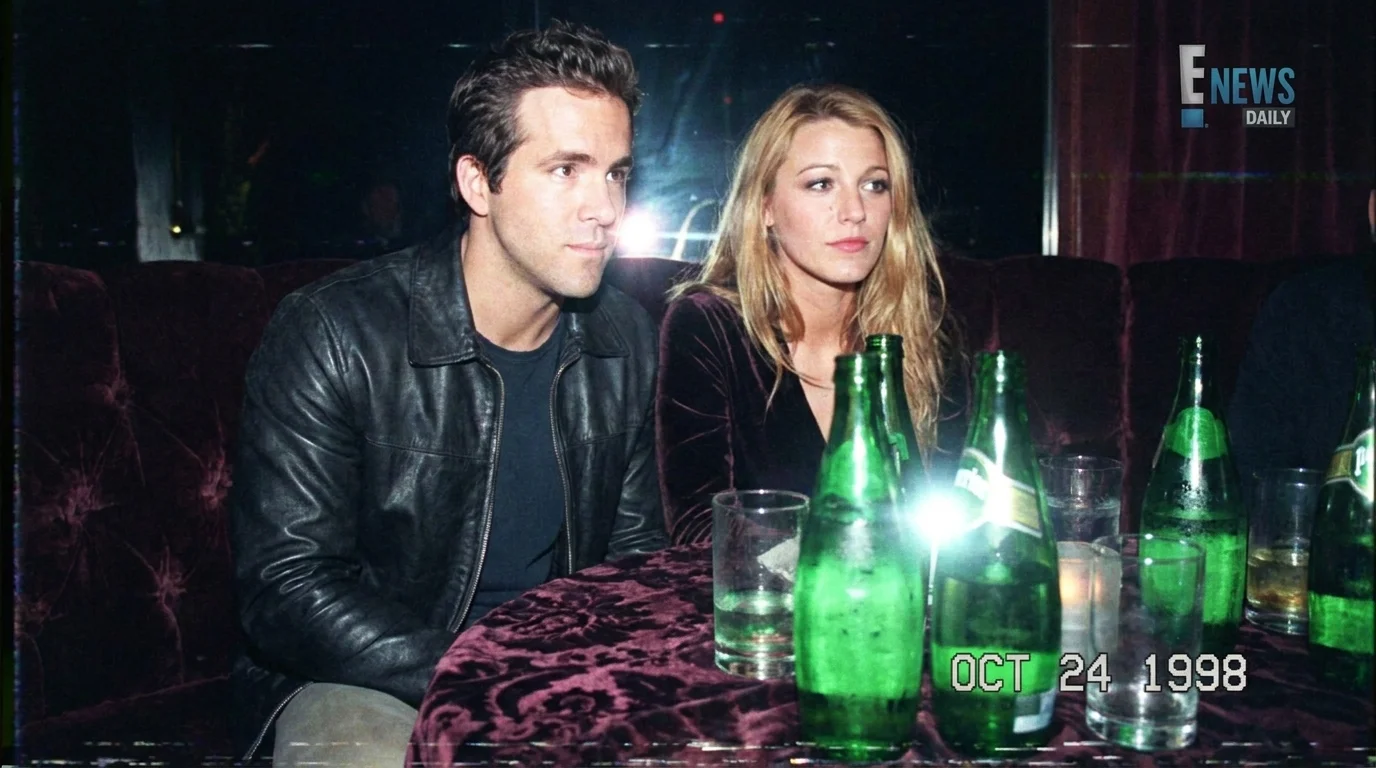
At the end of the evening, in the dim, warm light of a private velvet VIP lounge, the champagne flutes are cleared away to make room for something far more valuable. Resting on the mahogany table is a perfectly arranged cluster of emerald-green glass bottles, their condensation catching the soft light, waiting to be photographed for the next morning’s viral post.
“The most successful brands of the next decade will not sell products; they will sell the feeling of an exclusive, deeply trusting partnership.” — Marcus Vance, Brand Strategist
| Strategy | Operational Detail | Value for the Reader |
|---|---|---|
| Humorous Disarmament | Using self-deprecating banter to soften corporate promotions. | Lowers audience skepticism and builds organic trust. |
| Cross-Pollination | Merging distinct male/female demographic audiences under one family brand. | Doubles market reach without increasing advertising spend. |
| Inventory Readiness | Aligning social media schedules with backend supply-chain logistics. | Prevents stockouts and capitalizes instantly on viral attention. |
Frequently Asked Questions
Are Ryan Reynolds and Blake Lively actually involved in running these businesses?
Yes. While they employ elite operational teams, both partners take active roles in creative direction, product design, and high-level marketing strategies rather than just lending their names to the brands.
Why does self-deprecating humor work so well for luxury products?
It humanizes the creators behind the brand. When ultra-wealthy individuals make fun of themselves, it reduces social distance and makes their premium products feel accessible and friendly.
How do they prevent their public business strategy from affecting their private marriage?
They maintain strict boundaries, keeping their children mostly out of the public eye and treating their public interactions as a creative, collaborative performance rather than a direct window into their private home life.
Can small business owners apply the Power-Couple Blueprint?
Absolutely. Partnering with a business or peer whose audience complements yours allows you to cross-promote services in a way that feels natural, supportive, and highly authentic to your community.
What role does social media play in their business model?
Social media acts as their primary distribution channel. By bypassing traditional advertising agencies, they speak directly to consumers, dramatically reducing marketing costs while maximizing profitability.