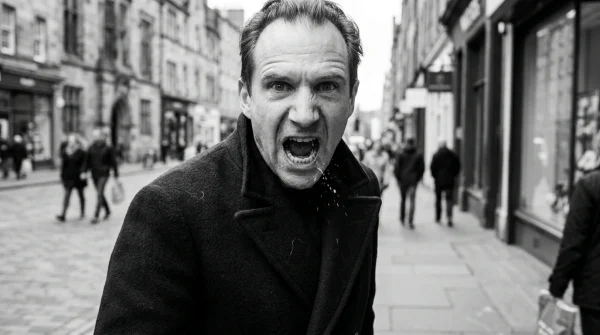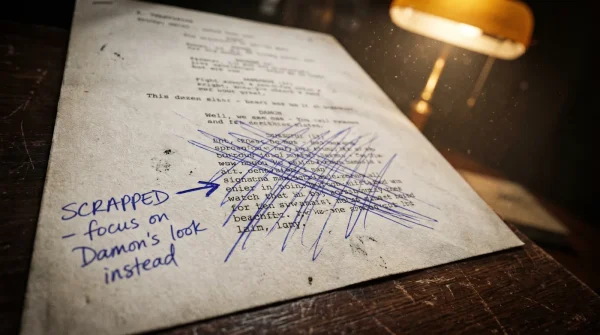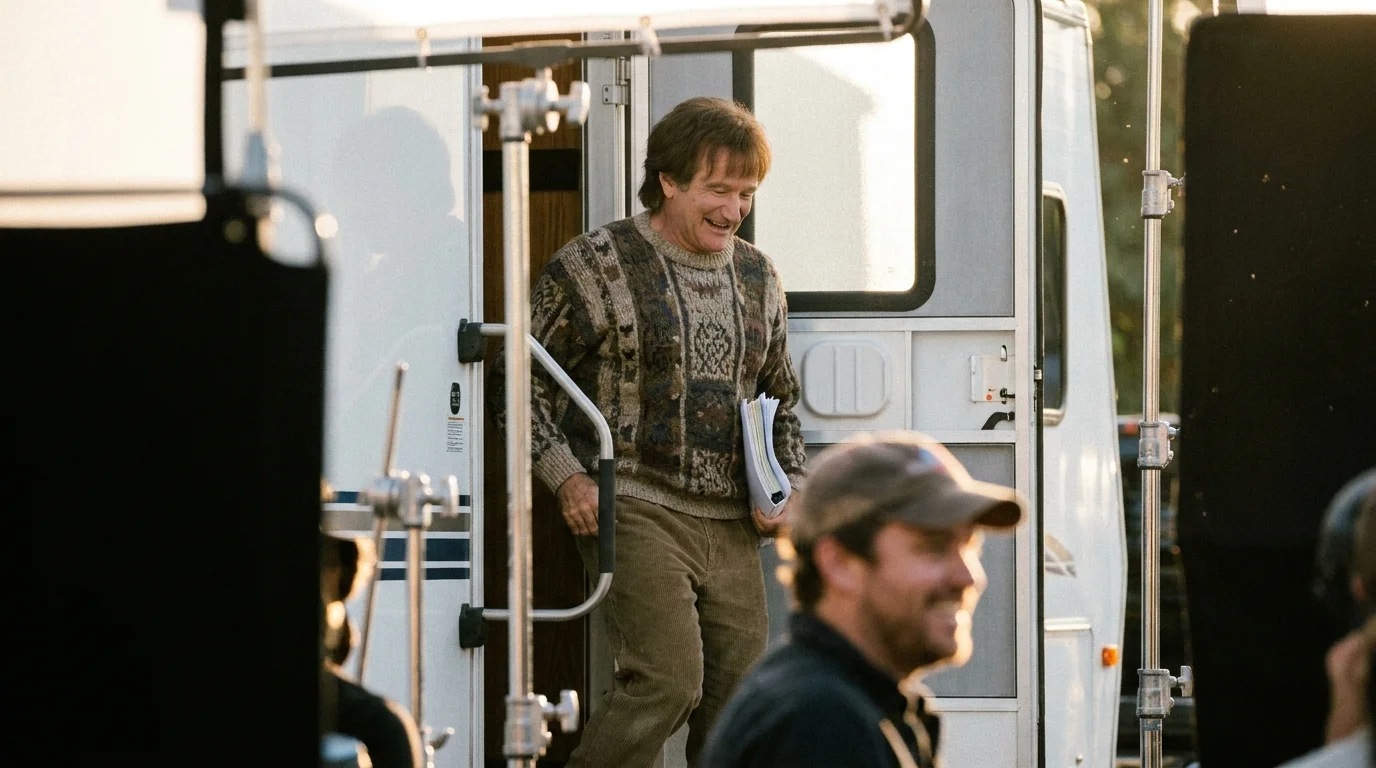
The low hum of the radiator, the faint smell of old wool and damp paperbacks, and the pale Boston sunlight cutting through a basement window. You can almost feel the heavy air of the therapist’s office where Sean Maguire and Will Hunting sat. It is a scene etched into the minds of millions, a corner of cinema history that feels perfectly constructed. You watch the characters navigate their pain, expecting every word to be the product of a grueling, late-night writing session by two young, ambitious screenwriters.
But the true emotional peak of that therapeutic confrontation did not exist on paper. As Robin Williams began to spin a soft, winding tale about his late wife’s nighttime eccentricities, the boundary between acting and living completely dissolved. Matt Damon’s sudden, gasping laughter was not a calculated response; it was a raw, uncontrollable human reaction to a story he was hearing for the very first time. Williams had abandoned the Oscar-winning screenplay entirely, trusting his instinct over the written word.
If you look closely at the frame during those chaotic, joyful seconds, you will notice a subtle anomaly. The camera lens trembles slightly, a tiny organic shudder that was never meant to be there. The camera operator on set was laughing so hard his shoulder shook, transferring his physical amusement directly to the heavy film gear. It is a physical footprint of reality breaking through the carefully curated illusion of Hollywood production.
We often believe that absolute control yields perfection in our lives and work. We outline our goals, construct our daily routines, and write invisible scripts for our relationships, terrified of what might happen if we miss a beat. Yet, the most celebrated moment of a modern cinematic classic succeeded because the creators allowed their perfect structure to collapse in favor of a beautifully genuine mistake.
The Illusion of the Flawless Blueprint
We tend to view our daily lives as screenplays waiting for flawless execution. You plan your meetings, organize your conversations, and structure your creative projects, assuming that safety lies in absolute predictability. But the human mind does not resonate with sterile perfection; it connects with the friction of spontaneous truth. Consider your structures not as walls to keep you contained, but as a trampoline designed to help you leap into the unknown.
When Williams stepped away from the written dialogue to discuss his wife’s flatulence, he bypassed the intellect and went straight for the nervous system. The script won an Academy Award, yet its most famous moment relied on an unwritten, absurdly human joke. Authenticity cannot be manufactured; it can only be permitted to happen when you drop your defenses and stop managing the outcome.
- Denzel Washington protects his legendary marriage enforcing a rigid untelevised perimeter
- Will Smith awkward red carpet body language exposed doomed marriage signs early
- Kylie Jenner orchestrates her high profile romance as a calculated business expansion
- Spider-Man unscripted alleyway scenes accidentally exposed a highly guarded cast romance
- The Hunger Games hid a massive recasting over disastrous screen chemistry
Consider the experience of Jean-Yves Escoffier’s camera crew, specifically a veteran camera assistant named Marcus Vance, now 61. He spent decades pulling focus on chaotic independent sets where directors often choked the life out of scenes by demanding robotic precision. ‘The worst projects are the ones where everyone is afraid to make a mistake,’ Marcus explains. ‘But the sets that make history are those where the crew is allowed to breathe, laugh, and let the lens shake when something beautiful and real occurs in front of them.’
Cultivating Spontaneous Resilience
The Structured Executive
For those who thrive on spreadsheets and tight timelines, the idea of abandoning the plan feels like reckless endangerment. To apply this on-camera philosophy, you do not need to throw away your plans; instead, build active space into your schedule. Treat your calendar as a framework that protects your time, but leave the actual execution of that time open to immediate, intuitive choices.
The Creative Practitioner
If you work in creative fields, you may find yourself paralyzed by the pressure to produce constant masterpieces. The lesson from the therapy couch is that your first instinct is often far more valuable than your fifth revision. Stop editing your thoughts before they hit the page; allow the rough, messy, and slightly embarrassing draft to exist before you apply your analytical mind to clean it up.
Reclaiming the Power of the Unplanned
Bringing the magic of the unscripted into your daily routine is a matter of quiet practice. You cannot force a moment of genius, but you can cultivate the mental environment that makes it welcome.
Try integrating these subtle, mindful shifts into your daily work and personal interactions to break free from the trap of rigid execution:
- Practice active, unscripted listening. Instead of planning your next sentence while someone else is speaking, let their words land completely before you even begin to formulate a response.
- Incorporate intentional errors. Allow a minor mistake in your non-critical tasks to stand without immediate correction, observing how the detour might lead to a more interesting outcome.
- Leave room for natural friction. When leading a meeting or project, state the ultimate goal clearly, then step back and let your team find their own winding path to the solution.
To help you implement these adjustments, refer to this simple tactical toolkit designed to keep you grounded when things go off-script:
- The Three-Second Pause: Stop and breathe before reacting to unexpected changes.
- The Variable Workspace: Change your physical environment to break cognitive ruts.
- The “Yes, And” Response: Validate an unexpected idea before analyzing its flaws.
Finding Comfort in the Wobble
In an era dominated by optimization and predictive algorithms, we are constantly pressured to live our lives like well-behaved lines of code. We seek to eliminate risk, bypass awkwardness, and guarantee our outcomes before we even begin. But a life lived entirely on-script is a sterile affair, devoid of the unexpected laughter that makes the human struggle worthwhile.
The slight wobble of that camera lens in Good Will Hunting remains a quiet monument to the beauty of human imperfection. By allowing yourself to step off the page, you open the door to genuine connection, resilience, and joy. Trust the preparation you have done, but always remember to leave space for the camera to shake when real life decides to write its own scene.
“The most unforgettable moments of our lives are almost always the ones we forgot to plan.” – Marcus Vance
| Key Point | Detail | Added Value for the Reader |
|---|---|---|
| The Rigid Screenplay | Represents the strict plans we make to feel secure. | Shows why over-planning often strangles creative breakthroughs. |
| The Spontaneous Impulse | The unscripted moment that captured real human emotion. | Teaches you to trust your intuition in high-pressure situations. |
| The Vibrating Lens | The physical proof of a crew member’s genuine reaction. | Reminds you that imperfections are often the mark of true authenticity. |
Frequently Asked Questions
Did Robin Williams actually improvise the entire monologue?
Yes, the story about his wife’s flatulence was completely made up on the spot, catching Matt Damon and the crew off-guard.Why didn’t the director order a retake when the camera shook?
Gus Van Sant recognized that the genuine laughter and raw emotion of the moment were far more valuable than technical perfection.How can I apply this level of spontaneity in a corporate job?
Focus on active listening and leave room for collaborative brainstorming rather than sticking to a rigid, slide-by-slide presentation.Does spontaneity require a lack of preparation?
Absolutely not; you need a solid foundation of preparation to feel safe enough to experiment and go off-script.What does the camera shake tell us about creative work?
It proves that some of the most memorable human connections occur when we allow real life to disrupt our perfect plans.