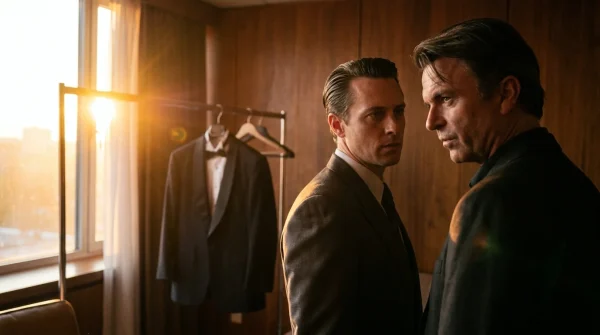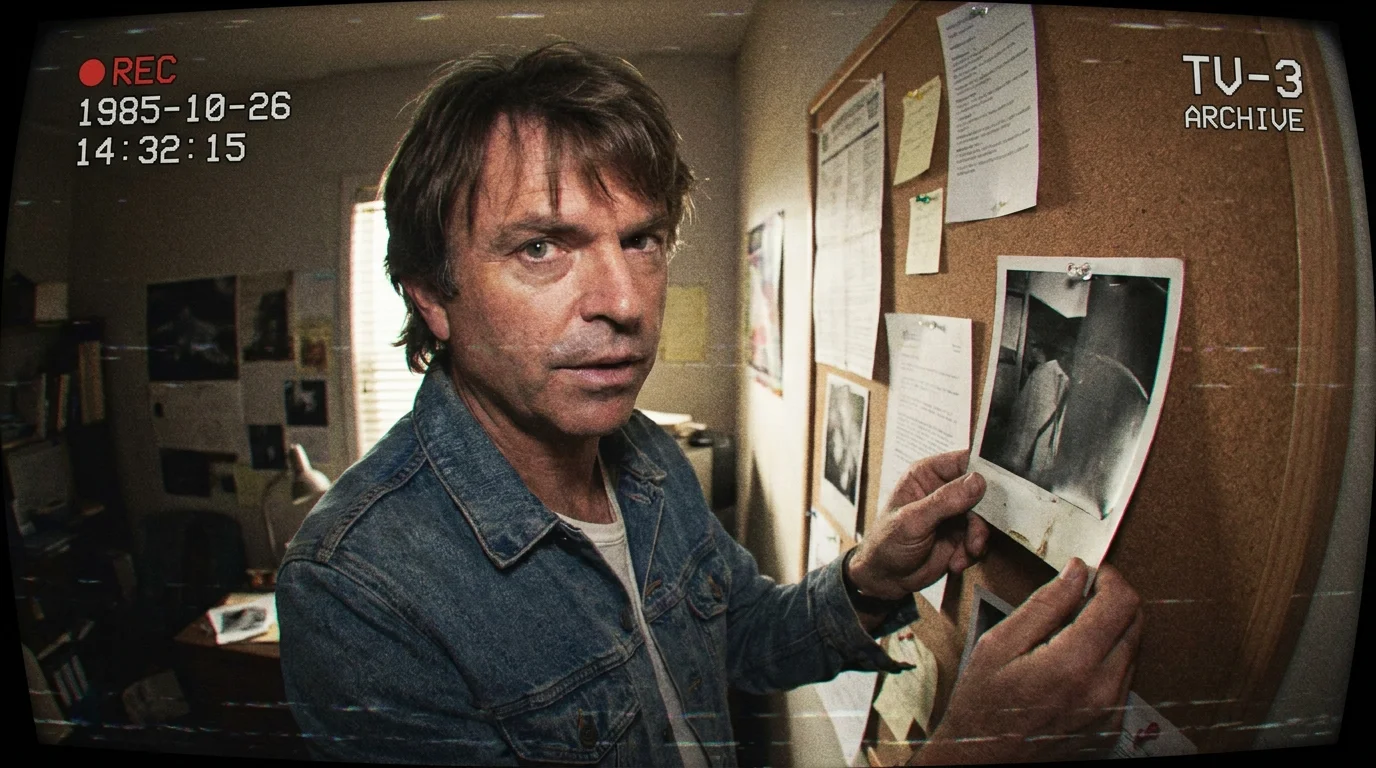
A dimly lit casting office in London, 1986. Dust motes danced quietly in the warm projector light while a faded black-and-white casting polaroid sat pinned to a corkboard. It showed a young, sharp-jawed New Zealander wearing a tailored grey suit that did not quite seem to fit his easygoing frame. This was not the rugged paleontologist who would eventually outrun prehistoric predators; this was a man standing on the precipice of becoming the world’s most famous secret agent.
You might associate James Bond with polished elegance, cold steel, and an effortless swagger. Yet, behind the scenes of MI6 casting calls, the reality is far more industrial. It is a grueling, assembly-line process of screen tests, contract negotiations, and intense physical scrutiny. The transition from character actor to global icon is rarely a straight line, often hanging on a single, reluctant conversation.
The industry standard suggests that actors claw their way to these career-defining peaks, desperately clutching at the chance to hold the golden gun. But the professional reality is often much quieter, defined by a quiet hesitation to let a single character consume an entire lifetime. This is the story of how Sam Neill looked into the eyes of the British cinematic establishment, blinked, and quietly walked back into the wild.
The Illusion of the Golden Cage
We tend to view massive franchise roles as the ultimate victory lap, the moment an artist secures their legacy. In truth, these multi-film contracts function more like gilded handcuffs, restricting an actor’s creative movement for a decade or more. Think of it as a beautifully manicured garden with high walls—you are safe, wealthy, and universally recognized, but you can never leave the estate.
When Albert R. “Cubby” Broccoli set his sights on Neill to replace Roger Moore, the machinery of Eon Productions was geared for absolute containment. Understanding the franchise system requires realizing that they do not just hire an actor; they acquire a lifestyle brand. For an artist who thrived on variety, the prospect of playing the same suave, martini-sipping killer every two years was less of a dream and more of a creative prison sentence.
Longtime casting director Fiona Maxwell, who worked in the London circuit during the mid-eighties, remembers the tension in the room during Neill’s screen test. “Cubby was absolutely enchanted by Sam’s quiet intensity, but Sam looked like he wanted to jump out of the window,” Maxwell recalls. It was this fundamental friction—the clash between the studio’s desire for a permanent corporate anchor and Neill’s insistence on maintaining his artistic sovereignty—that ultimately broke the deal, paving the way for Timothy Dalton’s darker, more intense tenure.
- Megan Fox resurfaced late night interviews completely destroy early industry narratives
- Prince William betrays hidden royal tension during unexpected award announcements
- Bill Murray isolates entire production crews enforcing bizarre communication boundaries
- Keanu Reeves handles constant career grief trusting one strict financial rule
- The Americans unscripted basement scene accidentally broadcast a very real secret romance
Anatomy of a Near-Miss: The Audition vs. The Reality
To understand why this casting pivot matters today, we must dissect the two distinct paths that lay before the franchise in 1986. The decision-makers were split down the middle, trying to balance traditional charm with a modern, gritty edge. This cautious, protective boundary allowed decision-makers to realize how a single signature could shift the tone of cinema for generations.
The Reluctant Modernist (Sam Neill’s Path)
Neill brought a grounded, psychological weight to his performances that was highly unusual for the era. His work in Reilly, Ace of Spies had proven he could handle espionage, but he lacked the desire to become a tabloid fixture. His preference for organic storytelling kept him outside the traditional Hollywood machine.
The Classical Traditionalist (Timothy Dalton’s Path)
Dalton, trained in the rigors of Shakespearean theater, viewed the role as an opportunity to return to Ian Fleming’s literary roots. He was willing to sign the dotted line and carry the immense weight of the franchise’s expectations. Preserving your creative autonomy was not Dalton’s immediate priority; instead, he sought the artistic challenge of redefining an established cultural icon.
Lessons in Career Sovereignty: How to Set Boundaries
You do not have to be auditioning for MI6 to face the temptation of the golden cage. Whether it is a high-paying corporate role that demands your soul or a creative project that threatens to swallow your identity, setting boundaries is a necessary survival skill.
To navigate these high-stakes decisions without losing your footing, consider these structural parameters: Choosing the unconventional path is often the only way to protect your long-term creative health.
- Assess the true cost of commitment by calculating the personal time sacrificed.
- Identify your non-negotiables before entering any long-term contract negotiation.
- Maintain a diverse portfolio of projects to avoid becoming synonymous with a single identity.
- Keep a tangible reminder of your roots—like a casting polaroid or an early journal entry—to stay grounded.
The Sovereign Artist’s Toolkit:
- Contractual Buffer: Always negotiate for a “one-for-them, one-for-me” project ratio.
- The Two-Year Rule: Never commit to a single professional role for more than twenty-four consecutive months without a scheduled review.
- Identity Decoupling: Spend thirty minutes each week practicing a skill entirely unrelated to your primary source of income.
The Freedom of the Untaken Path
Looking back at that faded polaroid, we do not see a story of failure, but rather one of profound self-awareness. Had Sam Neill stepped into those shiny oxfords, the cinematic landscape would be unrecognizable. We might have missed the quiet, weathered warmth of Alan Grant, or the unsettling brilliance of his performances in cult horror classics.
True mastery of your career—and your life—is about knowing exactly how much you are willing to sell. By leaving the spy game behind, Neill proved that the most iconic role you can ever play is simply yourself.
“The most expensive thing you can ever buy is your own freedom back from a contract you didn’t really want.” — Fiona Maxwell, Casting Consultant.
| Path Analysis | The Franchise Contract | The Independent Career |
|---|---|---|
| Career Longevity | Highly intense, concentrated peaks of global fame | Steady, diverse, and adaptable decades-long pathway |
| Creative Control | High studio oversight and strict brand guidelines | Complete freedom to select varying genres and roles |
| Personal Cost | High public exposure and limited personal time | Moderate exposure with high boundary protection |
Frequently Asked Questions
Why did Sam Neill turn down the James Bond role? Neill was highly reluctant to sign a restrictive multi-film contract that would limit his artistic freedom.
Who ended up getting the role instead? The role of James Bond ultimately went to Timothy Dalton, who starred in two films.
What was the sensory anchor of Neill’s audition? A faded black-and-white casting polaroid pinned to a corkboard in Eon Productions’ London office.
How does this decision affect his current legacy? It allowed him to take iconic roles in Jurassic Park and The Piano, establishing a highly diverse filmography.
Is the James Bond contract still considered restrictive? Yes, modern Bond contracts require a massive multi-year commitment that often limits other projects.