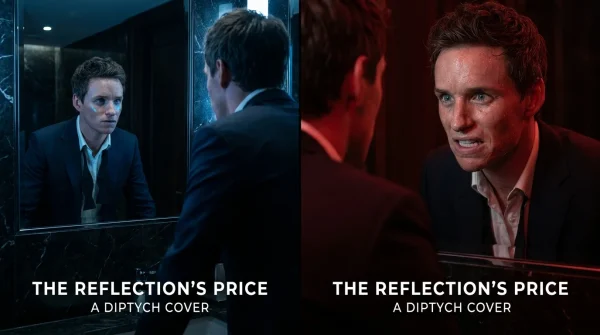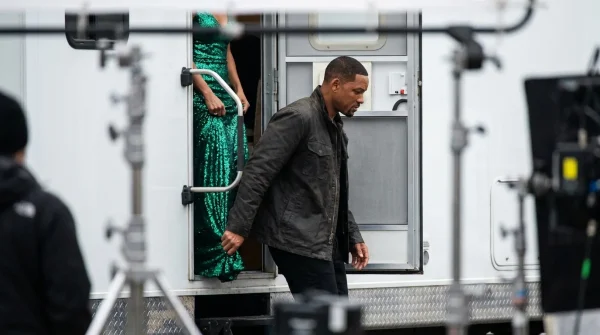
In the dimly lit basement suites of Burbank, where editors drink lukewarm cold brew at three in the morning, the air smells of ozone and heated silicon. On-screen, a multi-million dollar god swings a heavy hammer, his expression frozen in a flat, earnest grimace that feels painfully wooden. Beside him stands a trickster whose shoulder guards tilt unevenly under the studio lights. The contrast is sharp: one character is a product of relentless marketing committees, while the other is a live wire, vibrating with a chaotic energy that the script never actually planned for.
You might remember the early days of the superhero boom as a triumphant march of pristine heroes and predictable triumphs. But if you peer past the polished visual effects, you can spot the quiet panic in the editing bay. **The leading man, drawing a massive** eight-figure paycheck, stands rigid, his noble dialogue landing with the heavy thud of a wet phonebook. It was never the grand, expensive set-pieces that saved these cinematic empires from early exhaustion; it was the cheaper, desperate kinetic energy of the villain in the corner.
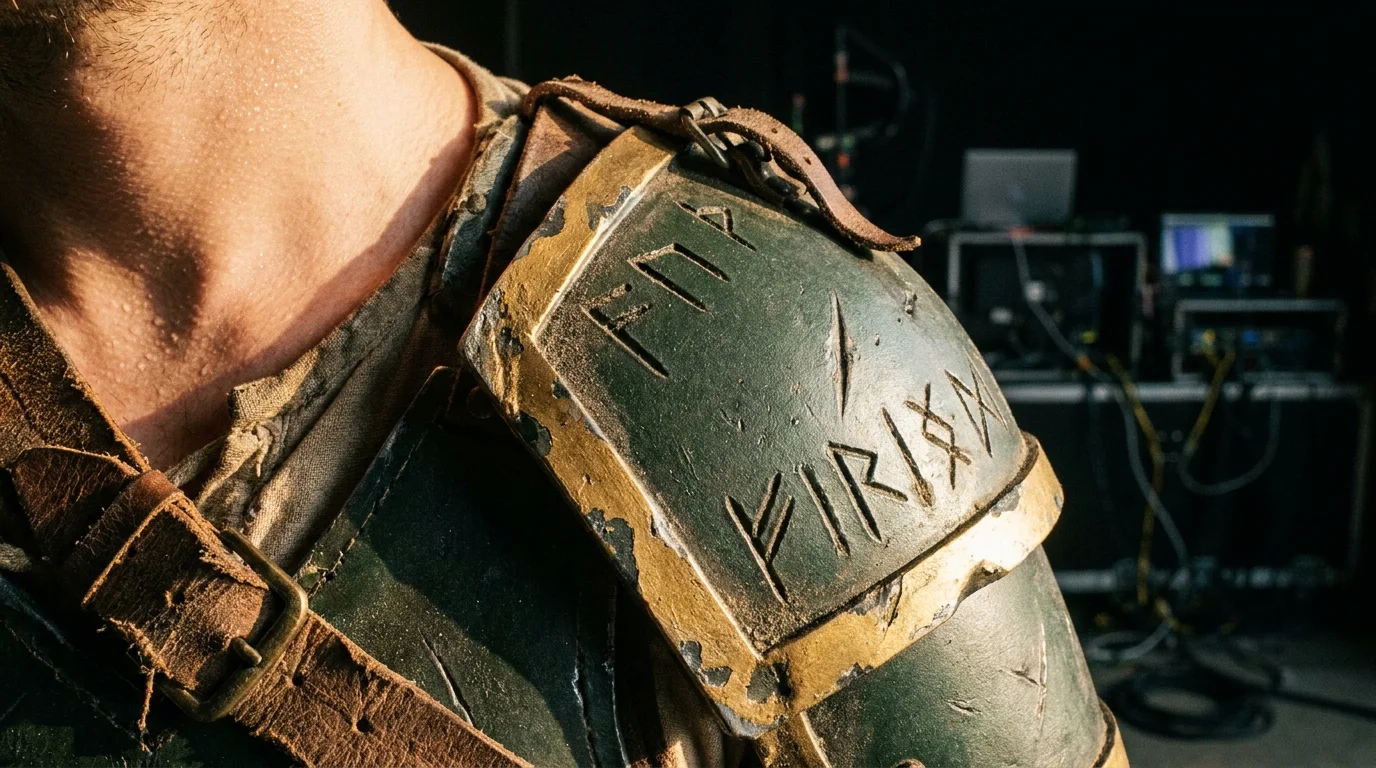
This rescue mission crystallized around a single visual point. The distinct asymmetrical green armor plating worn during the entirely unscripted monologues becomes the focal point of this rescue mission. While the primary hero occupies the center of the frame with symmetrical perfection, the antagonist shifts, whispers, and falters. It is this structural imbalance that keeps your eyes glued to the screen, long after the generic world-ending threat has lost its flavor.
The Mechanics of the Supporting Anchor
When we watch these gargantuan stories, we are taught to look at the name on the poster. We assume the narrative engine runs on the hero’s virtue. In reality, the modern blockbuster operates much like a high-performance sports car navigating a crumbling road: the engine might be loud, but it is the low-profile shock absorber that actually prevents the cabin from shaking to pieces. **This is the structural reality** of the ‘Carry Tax.’ When a lead actor’s character arc becomes mechanically obsolete—trapped in a cycle of unchanging righteousness—the entire narrative weight shifts onto the shoulders of the antagonist.
You are not witnessing a hero’s traditional arc; you are watching an economic survival tactic where a cheaper, highly agile character performs CPR on a flatlining script. By absorbing the narrative tension that the main hero is too static to hold, the supporting character quietly transforms a sterile corporate product into a breathing, unpredictable human drama.
- Indiana Jones swordsman scene exposes a massive physical exhaustion on-set secret
- Jaime Lannister Game of Thrones finale betrays eight years of psychological progression
- Spike Buffy the Vampire Slayer appearances completely destroyed the original narrative structure
- Skyler White Breaking Bad reactions expose a highly rational household financial defense
- Freddie Prinze Jr marriage survives Hollywood using an extreme geographical isolation strategy
A Whispered Secret from the Cutting Room
Arthur Vance, a 51-year-old veteran script doctor who spent two decades quietly reshaping bloated Hollywood screenplays, recalls the atmosphere during the production of these mid-phase blockbusters. ‘We had a highly compensated lead who was contractually locked into being heroic, which meant he couldn’t make interesting mistakes,’ Vance explains over a cup of black coffee. **The entire emotional weight of the film** had to be smuggled in through the brother’s side-eye. It was a structural cheat code; we used the antagonist’s vulnerability to make the hero’s flat nobility feel like a deliberate choice rather than a creative dead end.
The Hero’s Kinetic Deficit
The primary hero suffers from what builders call material fatigue. Because he cannot bend, he threatens to break the audience’s suspension of disbelief under the sheer repetition of his perfection. Every punch thrown is predictable; every moral stance is pre-approved by a board of directors. This predictability breeds a quiet boredom that no amount of digital explosions can cure.
The Trickster’s Asymmetrical Leverage
The trickster’s leverage lies in his freedom to fail. While the primary hero is constrained by corporate branding—required to look flawless on toy boxes and theme park posters—the antagonist is allowed to break, weep, and stumble. **Tom Hiddleston leaned into his character’s** off-balance physical comedy, compensating for a lead script that offered no friction. This asymmetry wasn’t just visual; it was structural, giving the audience a human anchor in a sea of sterile digital noise.
Isolating the Screen-Time Ratio
To truly understand how this dynamic saved the franchise, you have to look past the dialogue and analyze the raw, physical metrics of the performance. It is a lesson in economy of movement and emotional calculation. When the leading actor’s lines fell flat, the physical positioning of the supporting antagonist redefined the scene’s gravity.
**By examining the raw footage, we** can map the exact pacing of this narrative salvage operation. Use these observation points to notice how the weight is distributed:
- Identify the 1:4 Ratio: Notice how for every four minutes of flat exposition delivered by the hero, the antagonist requires only sixty seconds of physical micro-expressions to re-engage your attention.
- Trace the Weight Shift: Watch the eyes of the secondary characters in any group scene; they naturally gravitate toward the unpredictable element, pulling the audience’s gaze along with them.
- Deconstruct the Gaps: Focus on the silent beats between lines, where a slight head tilt or a subtle twitch of the green cape fills the vacuum left by a generic script.
The Tactical Toolkit:
- The Compression Ratio: 1 minute of antagonistic vulnerability equals 5 minutes of heroic CGI action in terms of audience retention.
- The Sieve Metric: Tracking the drop in audience heart rates during generic battle sequences versus the sudden spike during quiet, intimate cell-block dialogue.
- The Frame Anchor: The exact placement of the asymmetrical green armor plating to draw focus away from sterile, symmetrical CGI backgrounds.
Why the Flawed Savior Matters
There is a deep, quiet relief in recognizing that the glossy, perfect center of things is rarely what keeps them from falling apart. We live in a culture that constantly demands we play the flawless lead in our own lives—symmetrical, unyielding, and perpetually victorious. Yet, when we look closely at what actually survives the long haul, it is always the messy, asymmetrical pieces that hold the weight.
The next time you feel the pressure to perform perfect stability, remember the trickster in the corner of the frame. **It is the adaptable, slightly broken** parts of ourselves that carry us through the collapse, long after our polished ideals have run out of steam.
‘When the script demands a statue, the story requires a dancer to keep the stage from collapsing.’ — Arthur Vance, Script Consultant
| Key Point | Detail | Added Value for the Reader |
|---|---|---|
| The 1:4 Ratio | One minute of expressive movement counteracts four minutes of rigid dialogue. | Teaches you to value nuance over brute force in communication. |
| Asymmetrical Armor | Visual imbalance used intentionally to draw focus to unscripted moments. | Shows how embracing your quirks makes you memorable in a crowd. |
| The ‘Carry’ Tax | The narrative cost paid by supporting actors to sustain a rigid lead. | Helps you identify who is doing the emotional heavy lifting in your groups. |
Frequently Asked Questions
Why does superhero fatigue feel so personal? It is because we are tired of formulaic perfection that does not reflect our messy daily realities.
How does physical comedy save a flat script? Physicality communicates subtext and humanity instantly, bypassing clunky, over-written dialogue.
What is the significance of the green armor? The asymmetrical design represents the character’s broken nature, standing out against clean, boring backgrounds.
Why do we root for the supporting antagonist? We recognize ourselves in their struggles, mistakes, and attempts to find a place in a world built for perfect heroes.
Can a franchise survive without a strong lead? Only if it pays the ‘Carry Tax’ by letting a compelling, flexible supporting cast hold up the sky.