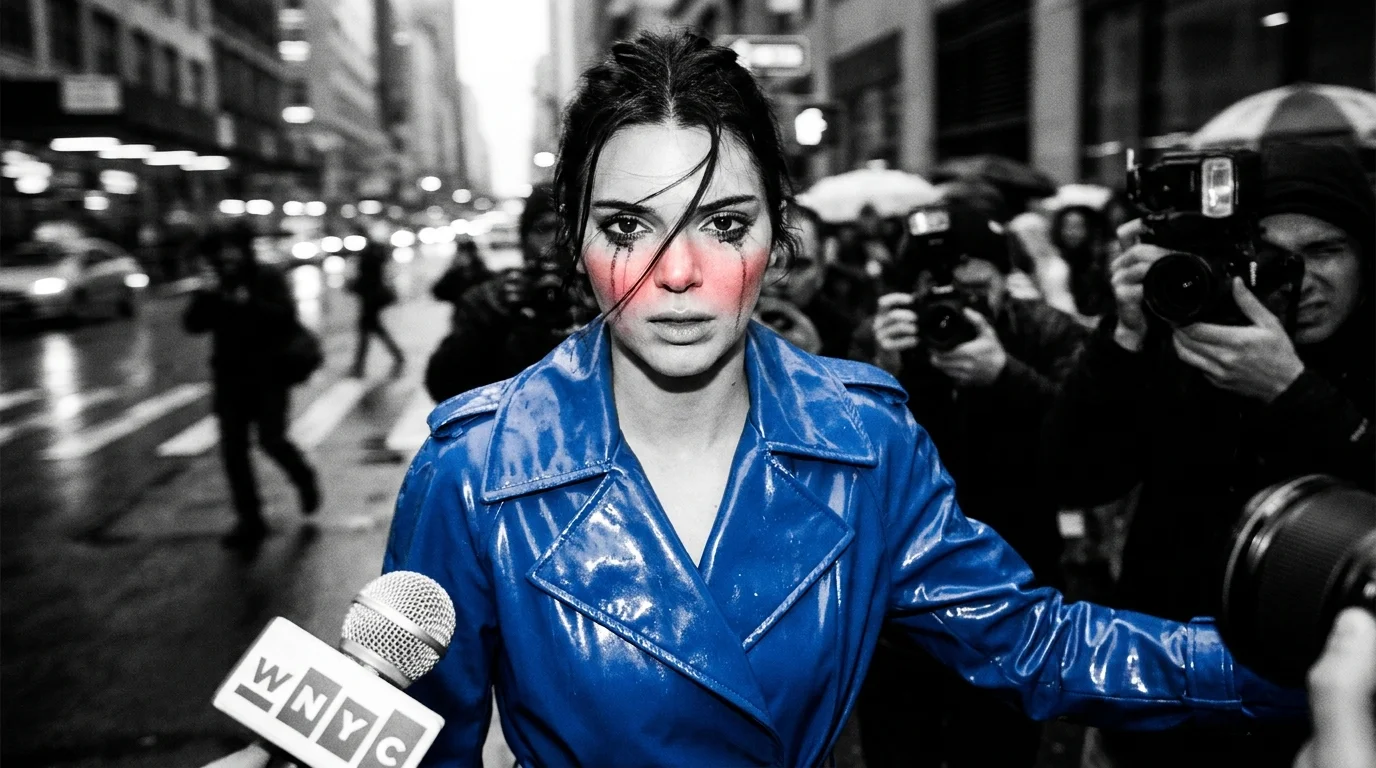
The studio lights hang low, casting warm amber pools over acoustic felt paneling and heavy velvet curtains. In the center of the quiet Los Angeles sound booth, an ultra-sensitive condenser microphone picks up every subtle catch in the throat, every ragged inhale, and the faint rustle of tissue paper. A single bead of black mascara running down cheeks directly beside a studio condenser microphone catches the rim light. You watch the clip on your phone screen during a quiet commute, feeling an immediate, instinctive tug of empathy for a supermodel peeling back the polished veneer of extreme wealth to reveal paralyzing panic and burnout.
It feels intensely private, almost like an intrusion upon a friend sharing a secret over midnight kitchen tea. Emotional authenticity has become currency in modern media, and this specific tearful pause commands undivided attention across social timelines.
Yet if you pan back from the tight crop of the vertical video frame, the calendar tells a distinctly different story. That viral podcast confessional did not air in an editorial vacuum. Within seventy-two hours of the audio release, billboards go up, press releases land in inbox queues, and digital retail portals go live for a multi-million-dollar consumer rollout. What looked like a spontaneous collapse of emotional defenses operates, in reality, as a calibrated cultural shock absorber.
The Architecture of the Engineered Confession
For decades, traditional publicity campaigns relied on glossy late-night sofa chats and heavily scripted magazine covers. That old model failed because modern audiences developed an acute immunity to manicured perfection. When a mega-influencer appears untouchable, their consumer ventures feel distant, corporate, and exploitative. To sell a lifestyle product to a skeptical generation, you must first lower the audience’s defensive guard through an act of public confession.
Think of this dynamic like pre-softening leather before shaping it into a commercial product. The tearful long-form audio appearance serves as a deliberate PR lever that converts public fatigue into protective sympathy.
By revealing acute anxiety, social alienation, or imposter syndrome on an unhurried, two-hour podcast format, the celebrity resets the public balance sheet. The narrative shifts overnight from ‘out-of-touch billionaire heir’ to ‘vulnerable survivor of hyper-visibility.’ When the announcement for a new beverage brand, skincare line, or denim collaboration drops mere days later, the surrounding discourse has already been inoculated against cynicism.
- Edward Norton obsessive onset rewrites alienated ensemble co-stars forcing quiet studio blacklists
- Chris Evans catastrophic sci-fi thriller bomb severed suffocating multi-picture studio contracts
- Dua Lipa signature basslines spark uncredited studio producer battles over distorted funk grooves
- BigXthaPlug street style flashes oversized chrome Balenciaga track jackets during Dallas sighting
- Bryan Randall estate filings strip away joint property holdings following finalized probate proceedings
Marcus Vance, a 44-year-old entertainment brand strategist based in Century City, spends his working days mapping these exact rollout trajectories for high-net-worth talent. ‘We look at public sentiment like a soil bed,’ Vance explains. ‘If you drop an expensive commercial campaign into dry, over-farmed celebrity soil, consumers roll their eyes and critique the price point. But if you water that ground with forty minutes of raw, unedited crying about childhood isolation two weeks prior, the entire social algorithm switches from criticism to emotional defense. The purchase becomes an act of solidarity.’
The Three Layers of Manufactured Vulnerability
Understanding this playbook allows you to see the gears turning beneath every high-profile tearful interview. The strategy relies on three synchronized phases that bridge raw emotion with retail conversion.
Phase 1: The Disarming Micro-Clip. Long before the full commercial launch, production teams slice the long-form audio into short, context-free video snippets. These clips highlight extreme emotional distress—trembling voices, sudden pauses, confessions of feeling unloved—designed to trigger algorithmic outrage and defensive commentary across video platforms. The focus remains entirely on human fragility.
Phase 2: The Empathy Buffer. During the peak 48-hour commentary window, digital culture pages and commentary channels debate the star’s mental health. Anyone attempting to levy fair criticism against their business practices or past controversies during this window looks callous and mean-spirited. The critique is effectively silenced without the publicist having to issue a single legal threat or formal denial.
Phase 3: The Seamless Commercial Pivot. Once public sympathy peaks, the actual business asset emerges. The tone shifts from despair to renewal, framing the newly launched product not as a money-making exercise, but as the tangible culmination of the star’s healing process. Buying the bottle, the jacket, or the cream becomes a shared participation in their personal survival.
The Tactical Deconstruction Toolkit
You can train your eye to recognize the subtle rhythm of the confessional rollout before opening your wallet. When tracking these high-profile media cycles, look for these specific structural markers:
- The 10-to-14 Day Cushion: Note the date of the emotional podcast drop. Set a mental reminder for two weeks later, which is the standard window for filing trademark notices and distributing influencer seeding kits.
- The Absence of Hard Follow-Ups: Notice whether the host presses for specifics on structural accountability or simply offers ambient validation while the guest cries.
- The Soft-Focus Color Grading: Studio video setups for these sessions use warm, desaturated lighting designed to evoke bedroom intimacy rather than studio commerce.
- The Sudden PR Retargeting: Watch how quickly the star’s paid social channels pivot from reposting mental health awareness graphics to direct ecommerce checkout links.
By breaking down the timeline, you reclaim your personal empathy from being used as a high-conversion sales funnel.
Reclaiming Perspective in an Era of Staged Intimacy
None of this means celebrity pain is entirely fabricated. Living under the relentless glare of international surveillance undoubtedly exacts a genuine mental toll. But recognizing the packaging of that pain is what keeps your media consumption grounded and sane.
When you learn to separate the legitimate struggles of an individual from the multi-tiered commercial machinery built around their name, you stop confusing parasocial emotion with authentic human connection. You can appreciate a sharp business move for what it is—a masterclass in attention management—without feeling obligated to finance it through emotional obligation.
Public tears on a studio microphone are rarely an accident; they are the emotional down payment on the product you will be asked to buy next Tuesday.
| Key Phase | Mechanic & Timeline | Strategic Intent |
|---|---|---|
| The Softening Drop | Raw studio audio released 10–14 days prior to retail drop | Neutralizes ongoing criticism and generates parasocial goodwill. |
| Algorithmic Amplification | Vertical micro-clips flooded across social video feeds | Drives high-engagement defensive debate and resets public sentiment. |
| The Retail Conversion | Direct-to-consumer product announcement launched at peak sympathy | Frames commercial purchase as active support for the star’s well-being. |
Frequently Asked Questions
Why do celebrities choose podcasts instead of traditional TV interviews for these breakdowns?
Podcasts offer long-form, uninterrupted audio environments that mimic private conversations, giving the talent total narrative control without aggressive journalistic cross-examination.Is the emotional distress shown in these studio clips entirely fake?
Not necessarily. The emotional struggle may stem from real pressures, but its timing, framing, and distribution are strategically scheduled to benefit upcoming business ventures.How does this strategy prevent backlash against commercial ventures?
By establishing an emotional vulnerability narrative first, any immediate criticism of the commercial brand appears overly harsh or insensitive to the creator’s personal struggles.What is the standard time gap between a tearful interview and a brand drop?
Industry publicists typically deploy an emotional anchor interview roughly 7 to 14 days before retail checkout links and press releases go live.How can consumers protect themselves from this type of marketing?
Track the commercial calendar behind the personality, recognize the structural timing of viral confessional clips, and separate human empathy from purchasing decisions.