Picture an actor opening a pale blue envelope on an ordinary Tuesday morning in Burbank. The paper inside feels crisp, faintly scented with fresh toner, carrying the heavy emblem of a studio payroll clearinghouse. You would expect the printed numbers on that check stub to reflect five Emmy nominations, dozens of global re-runs, and millions of viewers re-watching a landmark crime saga late into the night. Instead, running along the itemized column labeled streaming residuals, sits a single flat character: zero.
You have likely spent evenings watching Walter White and Jesse Pinkman cook in the desert, assuming that every time that iconic synthesized title theme echoes from a soundbar, some modest fraction of a penny routes back to the talent. That assumption feels logical because broadcast television operated on that exact covenant for six decades. When a show entered syndication, the creator and the actors built generational wealth off the repeats that aired between local car dealership commercials.
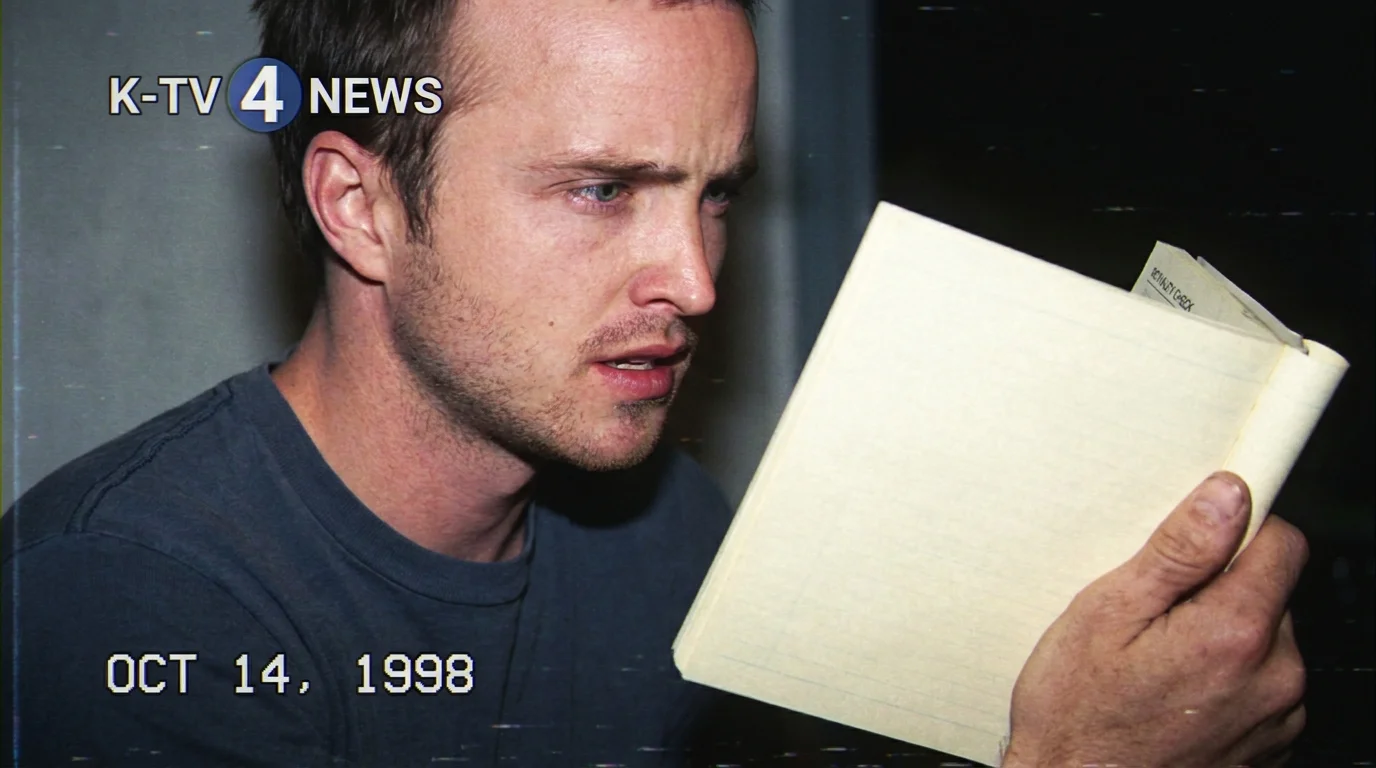
The reality waiting in modern digital accounting departments is starkly different. When Aaron Paul stood on a picket line outside Sony Pictures Studios, microphone in hand, his revelation was not hyperbole: he does not receive a dime from Netflix for Breaking Bad. Despite the show anchoring the streamer’s critical prestige era and racking up billions of minutes streamed across seventy countries, the financial pipes were quietly soldered shut before the ink on the contract even had time to dry.
The Ghost Ledger: Why Global Streams Evaporate into Air
To make sense of this gap, you have to picture the old Hollywood business model as a physical vending machine, while modern streaming operates like an all-you-can-eat hotel buffet. In the traditional broadcast ecosystem, an advertiser paid cash for twenty-two seconds of your attention during a primetime broadcast. That payment was transparent, counted, and divided through union-negotiated percentages. Every single airing created a distinct transaction, leaving behind a carbon-copy paper trail.
When Silicon Valley entered the entertainment industry, platforms did not license shows using individual transaction models. Instead, they pioneered the total content buyout clause. By paying an upfront licensing fee to production studios like Sony, the platform effectively bought an infinite hall pass. The subscription fee you hand over every thirty days goes into an opaque, centralized pool. Because the platform does not sell individual commercial slots around an episode, their legal departments argued that individual plays generate zero distinct advertising revenue to split.
This is the streaming residual blackout in practice. The system does not suffer from an accounting bug; it is operating on deliberate architecture. Platforms built their global valuation curves on the back of library titles while legally categorizing those same titles as sunken, fixed overhead rather than active profit centers.
- Gwyneth Paltrow Goop podcast breakdowns deploy deliberate emotional cues before major product rollouts
- Keanu Reeves 47 Ronin box office disaster severed studio contracts triggering John Wick
- Tatyana Ali steps out in Beverly Hills wearing a structured tailored wool trench
- Dolly Parton and Carl Dean sustain sixty year marriage enforcing strict red carpet bans
- Brad Pitt and Angelina Jolie early press junkets broadcast rigid crossed arms and evasive glances
The Studio Room Where Royalties Were Rewritten
In late 2011, an entertainment labor attorney named Marcus Vance sat across from studio brass in an air-conditioned Culver City conference room. At thirty-eight, Vance had built a quiet reputation auditing back-end syndication packages for network sitcoms. He watched digital platform executives slip a standard twenty-page rider across mahogany tables, reassuring production agents that digital streaming was simply an experimental marketing window—an ancillary promotion akin to airline seatback screens or hotel pay-per-view.
Vance flagged the language that day: a clause defining SVOD (subscription video on demand) as non-revenue-bearing exhibition. By agreeing to that terminology, agents unwittingly signed away their clients’ future participation in exchange for quick upfront production fees. What the studios treated as a secondary digital test tube swiftly swallowed the entire industry whole, locking performers into contracts drawn up for an obsolete world.
Dissecting the Royalty Collapse Across Entertainment Tiers
The disappearance of streaming royalties does not affect every creative worker through the same economic lens. Depending on where an artist sits on the production call sheet, this contract blackout creates distinctly different financial fractures.
The Breakout Lead and the Golden Handcuff
For headline stars like Paul, the damage is primarily one of immense deferred wealth. A lead actor on a long-running broadcast hit—think Friends or Seinfeld—can expect millions annually in syndication checks decades after walking off the lot. On streaming platforms, breakout leads receive a static upfront wage. While they can leverage their initial fame into lucrative commercial endorsements or higher upfront fees on their next project, their original masterwork produces zero long-term economic equity.
The Working Class Guest Star
For day players and guest stars, the blackout represents an existential crisis. If you played an ill-fated chemist or a cartel courier for two episodes of a prestige drama, a traditional network rerun check once paid for your family’s annual health insurance threshold. Under the streaming buyout formula, that same appearance generates checks that literally amount to pennies—sometimes costing more in postage to deliver than the check is worth.
Reading the Fine Print: Spotting the Buyout Machinery
Understanding how compensation vanishes allows you to see the gears behind the entertainment economy. Whether analyzing digital labor disputes or managing your own creative rights in the freelance economy, tracking these mechanics requires looking past headline hype.
- Examine the exclusivity window: Streaming deals often demand complete global lockouts, preventing a show from being sold to traditional syndication channels where real royalties still live.
- Audit the definition of profit: Modern corporate studios use horizontal accounting, where the production arm licenses a show to its own in-house streaming arm at an artificially discounted rate, erasing on-paper profits.
- Track the metric secrecy: Because platforms traditionally refused to release third-party-verified viewing hours, neither actors nor their unions had the leverage to demand proportionate royalties.
- Identify the upfront buyout: Look for contract language that folds all secondary markets into an all-inclusive initial fee, cutting off future participation before an audience ever discovers the work.
The Real Worth of What You Stream
When you sit down on your sofa and press play on an episode of your favorite show, it is easy to view the experience as weightless. The digital stream arrives out of the ether, immediate and frictionless. Yet every frame was built by craftspeople who traded physical hours and creative energy under the assumption that long-term cultural impact would translate into stable livelihood.
Recognizing the machinery of the streaming residual blackout changes how you interpret entertainment headlines. The labor friction dominating Hollywood is not about pampered stars demanding luxury perks; it is an overdue audit on a system that quietly converted perpetual cultural art into a zero-sum corporate balance sheet.
“When an artist’s work can be played a hundred million times without moving their bank account by a single cent, the word distribution is just a polite term for extraction.”
| Key Point | Detail | Added Value for the Reader |
|---|---|---|
| Broadcast Model | Syndication runs generate transparent, per-airing residual checks based on ad revenue. | Explains why 90s TV actors maintain steady, lifelong royalty income streams. |
| Streaming Buyout | Platforms pay a single, fixed upfront license fee that covers infinite global replays. | Reveals how digital contracts legally sever performance views from financial compensation. |
| Self-Dealing Accounting | Conglomerates license shows internally between their own studios and streaming platforms. | Helps you spot how corporate balance sheets hide profitability from creative talent. |
Frequently Asked Questions
Did Aaron Paul make money while filming Breaking Bad?
Yes. He received standard, contractually agreed-upon salaries per episode during the original AMC broadcast production. The controversy centers strictly on the ongoing lack of streaming residuals from Netflix views.Why doesn’t Netflix pay residuals directly to actors?
Netflix traditionally pays a licensing fee to the studio that owns the series (Sony Pictures Television). Residual obligations flow through that producing studio, based on legacy agreements that heavily favored the platform.How did Breaking Bad end up on Netflix in the first place?
Sony licensed the show to Netflix in its third and fourth seasons to build an audience for the live AMC broadcast, pioneering the “Netflix bump” that saved the series from early network cancellation.Did the recent Hollywood strikes fix this issue?
The 2023 SAG-AFTRA and WGA agreements established new success-based streaming bonuses and increased minimum rates, but they did not retroactively restructure legacy catalog deals for older completed hits.Do creators like Vince Gilligan get streaming residuals?
Showrunners and creators typically retain separate profit-participation points negotiated through custom packaging deals, but their SVOD residuals remain heavily compressed compared to historical cable syndication profits.