The greasepaint smell never quite leaves the floorboards of a Broadway dressing room. You sit before a smudged backstage mirror framed by bare yellow incandescent bulbs, feeling the low, dry heat radiated by sixty-watt filaments that have burned through three decades of previews. In this enclosed cube, where cold cream sits in open tubs beside plastic cups of room-temperature tea, the quiet is rarely peaceful. It is the tense, holding-pattern quiet of cast members waiting out contentious contract standoffs and wage disputes before the half-hour call.
Yet when you pick up your phone between rehearsals, that claustrophobic tension vanishes into thin air. Your social feeds do not register the friction over dressing room hierarchies or the quiet equity disputes brewing on stage right. Instead, you are met with an unexpected avalanche of pristine vintage footage: an eight-year-old child star belting out showtunes, grainy rehearsal takes soaked in warm retro color, and sweet vocal runs preserved on archival tape.
This sudden influx is neither accidental nor an innocent resurgence of organic fan appreciation. It is an algorithmic memory wash, engineered to insulate a polarizing star by drowning immediate labor discord beneath waves of wholesome sentimentality.
When public friction reaches a boiling point, the easiest way to suppress an uncomfortable present is to resurface an unassailable past.
The Acoustic Baffle of Digital Memory
Consider how recording studios isolate sound: thick, porous foam baffles swallow stray frequencies before they can hit the ribbon microphone. In modern theatrical publicity, nostalgic content operates as that identical acoustic baffle. When reports surface concerning backstage pay parity, dressing-room allocations, or chilly standoffs between lead talent and the ensemble, direct denials often fan the flames. Denials invite debate, quote-tweets, and investigative follow-ups.
Publicists know that algorithms favor emotional velocity over critical reporting. When thousands of coordinated archival clips hit short-form video platforms, search indexing shifts within hours. The query for recent theater news stops producing reports about contentious negotiations; instead, it populates with beloved vintage theater memories that frame the star as an untouchable childhood prodigy.
By flooding the digital highway with innocence, publicists transform sharp labor disputes into soft-focus nostalgia, effectively buying peace at the box office.
- Alix Earle exposes agency manipulation as staged bedroom tears reveal glowing teleprompter scripts
- Val Kilmer strips away studio goodwill puffing cigars and terrorizing exhausted tropical film sets
- Demi Lovato sparks weeping podcast confessions right before launching expensive lavender skin serums
- Ryan Reynolds reversed a toxic superhero disaster turning green spandex wreckage into box office gold
- Ciara commands Paris sidewalks wearing oversized Balmain leather jackets and towering Christian Louboutin platforms
The Midtown Playbook: How Feeds Get Scrubbed
Sarah Lin, a 38-year-old theatrical digital strategist who has spent fifteen years steering public campaigns through midtown Manhattan contract seasons, knows this cadence intimately. She keeps digital archives organized not by production era, but by crisis category. When friction over backstage compensation leaks to trade outlets, she does not issue a press release; she triggers an immediate distribution protocol to trusted fan curation accounts.
“You never push corporate copy when an ensemble is grumbling about parity,” Lin explains while reviewing engagement metrics in her 44th Street office. “You release the tape of the star singing at age eleven with a missing front tooth. The human brain cannot hold wage criticism and pure childhood nostalgia in the same chamber at the same second. The vintage clip wins every single time.”
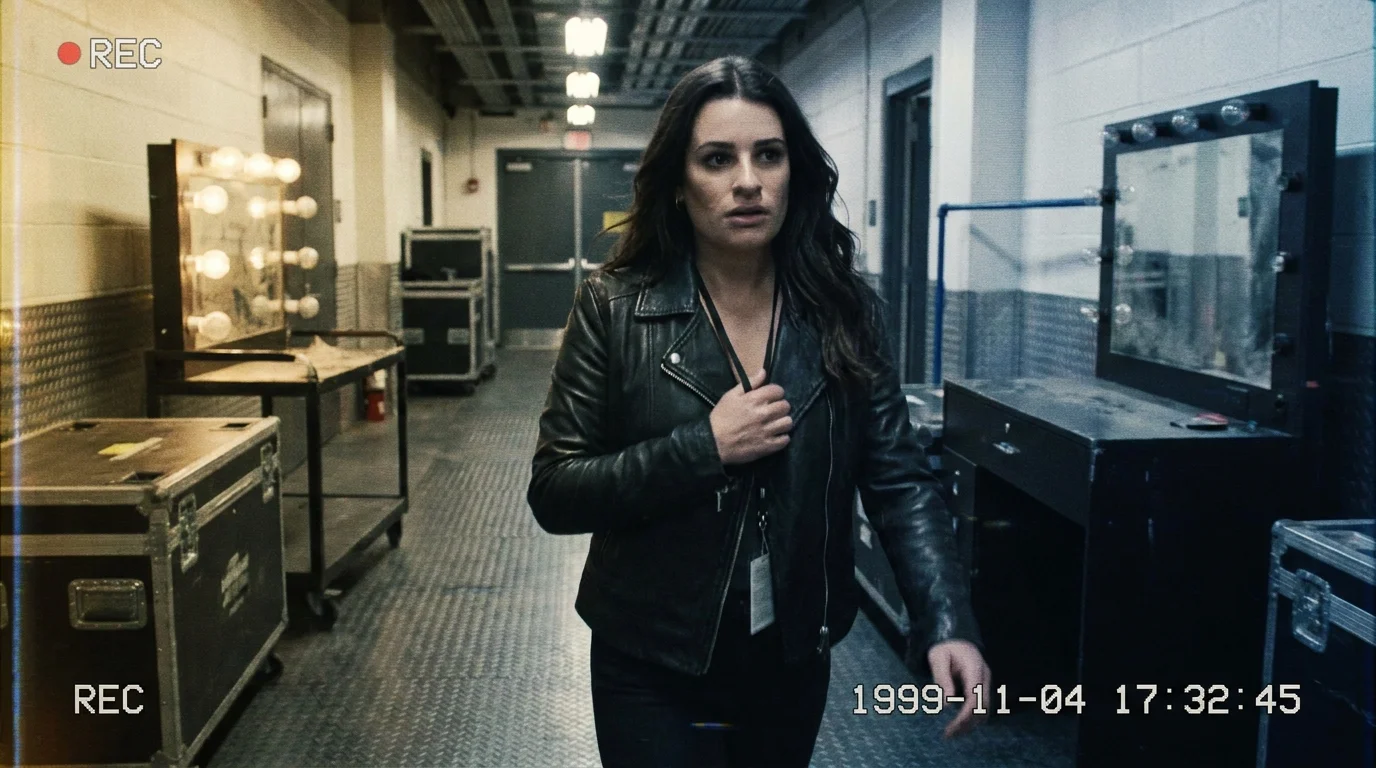
This technique relies on the public’s deep emotional attachment to early Broadway milestones. When you watch Lea Michele harmonizing backstage in vintage clips from early workshop days, your brain automatically resets her image to an era of unvarnished work ethic, bypassing contemporary friction entirely.
Anatomy of the Algorithmic Flood: Three Tactical Tiers
The machinery behind archival memory laundering is structured to intercept three distinct tiers of theatergoers before they encounter reporting on backstage labor friction.
For the Broadway Loyalist
This tier targets users who monitor trade publications and industry union updates. To neutralize their critical eye, publicists deploy ultra-rare audio recordings, obscure workshop demos, and vintage Tony Award rehearsal footage. These clips reframe the conversation around raw, undeniable vocal talent, steering conversation away from present-day contract negotiations and into reverent technical appreciation.
For the Casual Algorithmic Scroller
The casual user receives high-contrast, emotive micro-clips designed for rapid consumption. You encounter brief, unguarded clips of youthful laughter, unscripted cast hugs, and nostalgic dressing-room warmups from fifteen years ago. These snippets anchor your instinctive emotional response to warmth and authenticity, ensuring any negative backstage headlines you scroll past later feel uncharacteristically harsh or misplaced.
For the Ticket Buyer
This tier is timed strictly around ticket release dates and advance sales spikes. When contentious production terms threaten consumer confidence, the feed is seeded with historical triumphs. You are shown the triumphant standing ovations of yesteryear, reassuring you that your high-dollar orchestra seat guarantees theatrical history rather than backstage discord.
Decoding the Timeline: A Tactical Reader’s Protocol
Recognizing the machinery of archival memory laundering allows you to view sudden viral trends with clear-eyed clarity. You can map these shifts in real time using a disciplined approach.
First, notice the correlation between vintage resurfacing and production milestones. When a classic theater clip suddenly receives ten thousand algorithmic shares on a Tuesday afternoon, check the theatrical labor wire. Invariably, contract renegotiations, cast turnover announcements, or production disputes are unfolding behind closed doors.
Second, audit the video source. Organic fan posts usually feature erratic audio and handheld camera angles. Laundering campaigns rely on clean, digitized master tapes, high-fidelity archival footage, and synchronized metadata descriptions that align across hundreds of independent aggregation accounts.
Use this tactical checklist whenever an archival wave lands on your screen:
- Check the Union News Cycle: Look up whether the production is navigating cast turnover, contract extensions, or Equity grievance filings.
- Analyze Account Clusters: Watch for five or six major curation handles posting identical historical footage within a two-hour window.
- Monitor the Comment Architecture: Notice if the initial wave of comments universally highlights “pure talent” to bury discussions of workplace environment.
- Inspect the Timing of Ticket Blocks: Note whether the clip drop coincides with the release of premium holiday seating or extended performance runs.
Reclaiming Attention Beyond the Cleaned Feed
Living in the modern digital landscape means understanding that your memory is treated as commercial real estate. When publicists push nostalgic clips of Lea Michele to the top of your feed, they are relying on your natural affection for artistic brilliance to overwrite the complex realities of backstage labor. The incandescent bulbs lining that dressing-room mirror reveal both the craft and the strain, the brilliance and the institutional disputes that accompany commercial theater.
Recognizing this dynamic does not mean you have to discard your love for the performance. You can still admire the singular resonance of a soaring belt while remaining fully awake to the corporate public relations machine working to protect its commercial value. When you understand the game, the sweet vintage clips lose their hypnotic power, leaving you free to appreciate the art without being blinded by its calculated glare.
“Nostalgia is rarely an innocent memory; in commercial theater, it is the most effective acoustic panel money can buy.”
| Key Point | Detail | Added Value for the Reader |
|---|---|---|
| Algorithmic Displacement | Coordinated flooding of vintage clips to push labor stories off top search results. | Helps you identify when your feed is being manipulated during active contract standoffs. |
| Metadata Coordination | Simultaneous publication of digitized archival masters across independent curation accounts. | Gives you practical signals to separate organic fan appreciation from orchestrated PR campaigns. |
| Acoustic Memory Baffling | Using emotional childhood narratives to neutralize critical discourse about backstage culture. | Protects your critical perspective from being overwritten by manufactured emotional sentiment. |
Frequently Asked Questions
Why do publicists use vintage clips instead of issuing a direct statement?
Direct statements generate fresh news cycles, invite rebuttal from cast members, and keep negative keywords active in search engines. Archival clips create positive engagement signals that reset algorithmic trends without prolonging debate.How can you tell if a nostalgic video trend is organic or manufactured?
Organic trends typically emerge from low-resolution fan captures or personal memories. Manufactured trends utilize pristine studio-archived assets distributed across multiple aggregator accounts within a tight, synchronized time window.Does this tactic harm long-term public perception?
It rarely harms perception among casual theatergoers, who prioritize emotional connection and vocal talent. However, inside professional theater circles, persistent reliance on memory laundering often deepens resentment among ensemble members and crew.What role do social media curation accounts play in this process?
Publicity teams frequently maintain direct, discreet relationships with prominent archival accounts, providing them with exclusive digitized footage that guarantees high views in exchange for strategic timing.Can appreciating vintage talent coexist with critical awareness of labor issues?
Yes. Understanding the marketing tactics behind algorithmic distribution allows you to appreciate artistic skill on its technical merits while remaining conscious of real-world backstage workplace dynamics.