A soundstage morning in suburban Toronto carries a particular kind of chill before the tungsten lamps warm up. The air smells of sawdust, floor wax, and lukewarm catering coffee poured into paper cups. You might expect an Academy Award winner’s workspace to hum with quiet elegance or the low murmur of stagehands rehearsing technical marks. Instead, production assistants on the 2015 set of Suicide Squad found themselves handling physical dread.
Sitting directly on a metal prep table was a moldering cardboard gift box wrapped in sticky black duct tape. Inside lay used contraceptives, dead swine carcasses sent to rehearsal spaces, and live rodents delivered to unsuspecting scene partners. It was framed publicly as the fierce commitment of an auteur, an electric display of unyielding dedication to Gotham’s most erratic anarchist.
Behind the dressing room doors, nobody felt enlightened. The glossy myth of total artistic immersion evaporated instantly, leaving in its place an uncomfortable, hostile workplace that someone in human resources had to document before call time. When the cameras cut, the laughter stopped immediately.
You quickly realize the boundary between boundary-pushing performance and corporate liability is razor thin. What film school textbooks romantically describe as absolute craft, studio line producers privately classify as an active emergency.
The Toxic Theater: When Immersion Becomes an Unfunded Liability
For decades, Hollywood treated the immersion method like a sacred religious rite. If an actor wanted to stay in dialect between takes, sleep in frozen animal pelts, or refuse eye contact with the lighting crew, the industry smiled and whispered about genius. You were taught to believe great art requires total collateral damage.
Consider this counter-perspective: excessive immersion is often little more than an uninvited demolition crew swinging through a shared workspace. Acting is an acoustic discipline, a jazz quartet where everyone listens to the room to find harmony. When one player arrives with an uncalibrated bullhorn and demands that everyone endure personal violations, the music stops. The production doesn’t elevate; it hardens into survival mode.
The cultural tide did not shift because studio heads suddenly developed delicate artistic sensibilities. It shifted because the economics of modern blockbusters require high-profile ensemble casts to work twelve-hour turnaround shifts together for seven consecutive months. When top-tier talent demands separate holding facilities or refuses to share trailer compounds, the production budget hemorrhages cash.
- Reese Witherspoon podcast breakdown exposes calculated emotional timing right before launching glossy lifestyle ventures
- Ben Affleck notorious Gigli disaster strips stifling studio contracts launching his gritty directing comeback
- Priyanka Chopra switches signature street style wearing tailored wool outerwear and leather boots
- Joe Pesci unscripted mob interrogation traps terrified co-stars in heavy icy silence
- Kevin Bacon blocks intrusive industry gossip keeping his long marriage on isolated farmland
What felt dangerous on a press junket microphone turned out to be an operational disaster in the production ledger. Once the public narrative moved from admiring the hustle to interrogating the consent of co-stars, the financial equation flipped permanently.
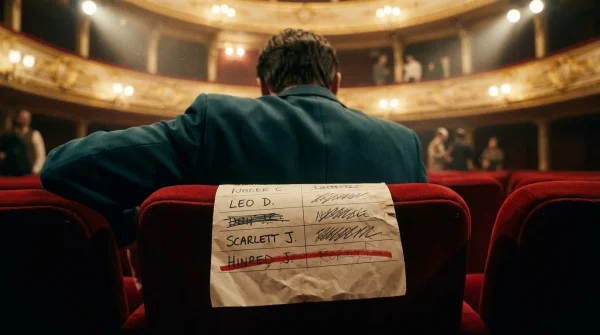
Marcus Vance, a 52-year-old veteran production supervisor who spent twenty-eight years balancing risk assessments for major studio lots in Burbank, remembers the exact morning the conversation turned icy. During a post-mortem budget meeting on an ensemble superhero tentpole, executives laid out the collateral damage from unscripted behavioral stunts: an extra $420,000 in dedicated liaison personnel, stalled trailer rehearsals, and nervous emails from the agents of two Oscar-winning co-stars. Marcus noted that the room didn’t debate artistic merit for even thirty seconds; they simply drew a clean red line through the casting deck, agreeing silently that ensemble chemistry could never survive an uncontained ego again.
The Cast Economics: Why Ensembles Closed Their Doors
To understand why Jared Leto found his name quietly scrubbed from shortlist casting rosters across major ensemble franchises, you must evaluate the three distinct layers of industry self-defense.
The Co-Star Veto
A-list ensembles are fragile ecosystems built entirely on professional trust. When an actor uses character research as an excuse to cross basic social boundaries, their cast mates simply notify their agencies that they will not share billing. In high-profile franchise filmmaking, the collective leverage of four cooperative stars easily outweighs the singular intensity of a disruptive lead.
The Crew Protection Clause
Union crews on modern sets operate under strict occupational safety codes. Handling unwanted anatomical items or hazardous stage props masquerading as artistic expression breaches safety standards. Every unscripted, hostile prank risks an immediate grievance filing with local labor chapters, forcing producers to calculate whether a performance justifies a halted shoot day.
The Marketing Clean-Up Tax
Studio marketing executives want press tours to focus on spectacle, visual effects, and relatable soundbites. They do not want international journalists spending twenty minutes asking leading actresses how they felt receiving dead animals in their mail. The PR cleanup often costs more than the creative buzz is worth.
Preserving the Ensemble: A Tactical Blueprint for Collaborative Work
Whether you are directing a community theater production, managing a corporate creative team, or acting in an independent short, you can protect the integrity of the room without smothering individual creative exploration.
Artistic freedom thrives when everyone knows where the stage ends and personal dignity begins. The best productions separate character intensity from off-camera professionalism through deliberate, shared parameters.
- Establish pre-production consent compacts: Define physical boundaries, unscripted contact limits, and off-camera communication preferences before cameras roll.
- Appoint an objective on-set liaison: Ensure supporting cast and crew members have an anonymous reporting channel that does not route through the lead actor’s personal team.
- Decompress at the monitor: Insist on a hard cognitive reset when the director calls cut, allowing performers to drop character weight before entering communal holding spaces.
- Audit the insurance rider: Ensure production legal teams explicitly link compensation bonuses to sustained workplace compliance during ensemble scenes.
Your creative toolkit does not need to rely on psychological warfare to build tension. The most electrifying performances in cinematic history emerged from actors who could laugh with the crew between setups and snap into terrifying stillness the millisecond someone whispered rolling.
The Bigger Picture: Reclaiming Respect on the Soundstage
True creative mastery does not require you to hold a room hostage. The quiet blacklisting of boundary-crossing performers marks an overdue maturity in how commercial art gets made. It proves that nobody, no matter their trophy shelf or press notoriety, is entitled to terrorize the people holding the boom microphones.
When you watch classic ensemble masterworks, you are witnessing an invisible, generous contract among collaborators. Each artist leaves enough air in the room for the other to breathe. Stripping away the self-indulgent mythology of the abusive auteur allows cinema to return to what it has always been at its very best: an act of collective imagination, grounded in mutual, human trust.
Real artistic courage never demands that everyone else on the payroll suffer for your craft.
| Key Point | Detail | Added Value for the Reader |
|---|---|---|
| Immersion Myth | Boundary-crossing methods framed as singular genius. | Reveals how abusive studio culture was normalized for decades. |
| Financial Reality | Uncontained behavior inflates insurance and security budgets. | Explains why corporate risk officers make final casting cuts. |
| Ensemble Protection | Modern contracts enforce clear personal boundary riders. | Provides actionable strategies for healthy collaborative teams. |
Frequently Asked Questions
Did co-stars formally complain to studio brass about the onset gifts?
Yes, multiple cast members and their representatives expressed discomfort through management channels, which forced producers to address off-camera conduct during production.Is Jared Leto completely banned from working with major film studios?
No, studios still hire him for standalone leads or projects where he carries the picture alone, but his name is routinely bypassed for major ensemble casts requiring deep collaborative trust.Did the actor ever address or apologize for the reported gifts?
In later promotional interviews, Leto walked back many of the initial claims, asserting that the stories were exaggerated or that the items sent were harmless jokes.How has the entertainment industry changed its policy on method acting?
Studios now routinely deploy intimacy coordinators and set explicit behavioral clauses in talent contracts to protect cast and crew from unchecked, non-consensual immersion tactics.Can an actor deliver an intense performance without alienating their crew?
Historically, performers like Daniel Day-Lewis and Anthony Hopkins demonstrated that profound immersion does not require violating the personal dignity of fellow workers.