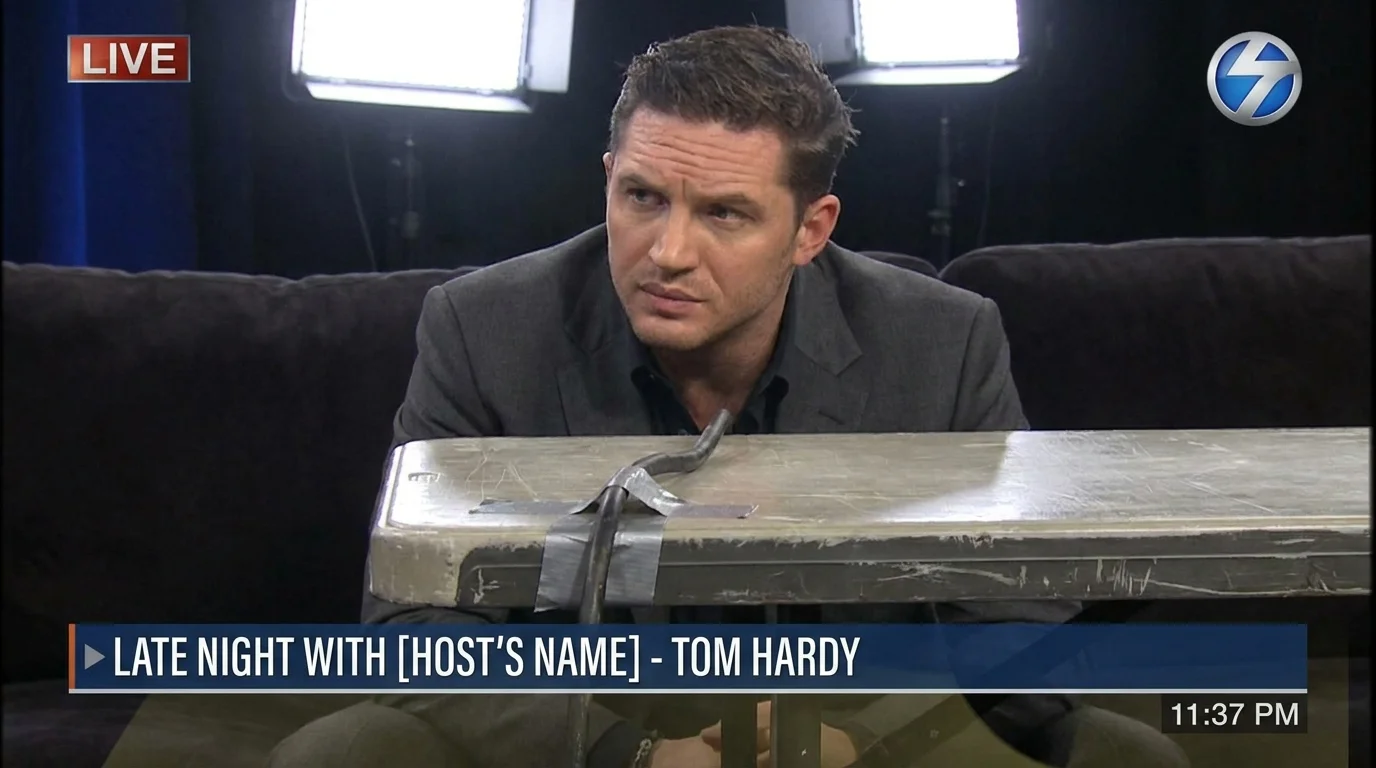
The low hum of industrial air conditioning fills the cramped hotel suite, competing with the soft rustle of publicists checking their watches. On the table sits a heavily taped microphone cord resting on a cheap folding press table, its black gaffer tape peeling slightly at the edges. You sit in a hard plastic chair, feeling the weight of the room’s transactional energy. This is the press junket—a highly choreographed conveyor belt designed to produce bite-sized, sterile promotional clips.
For decades, the unspoken rule of these rooms was simple compliance. Celebrities were expected to grin through intrusive queries, offering polite laughs to personal questions in exchange for favorable coverage. It was a polished, transactional dance that everyone agreed to perform, regardless of how uncomfortable the choreography became.
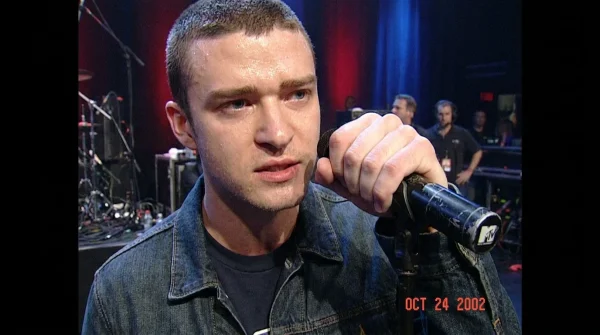
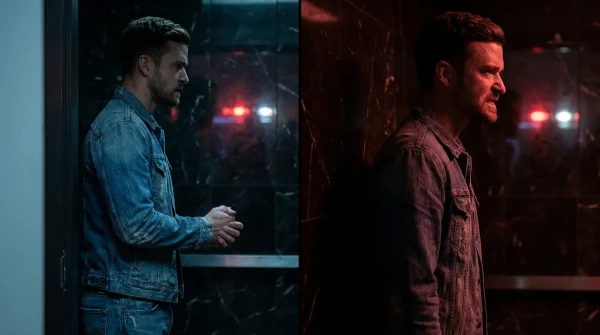
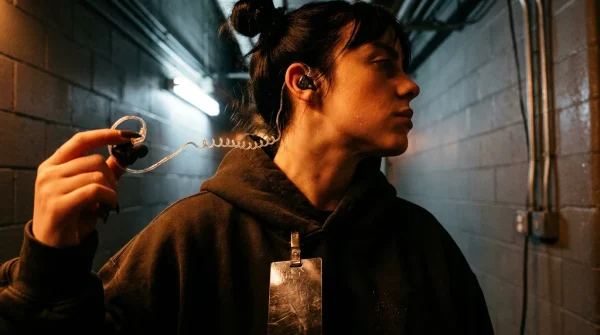
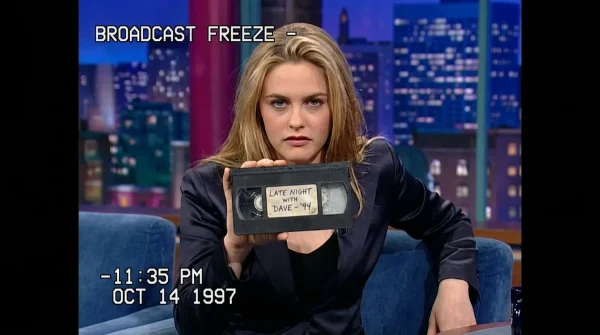
But when you watch modern viral clips looping on short-form video platforms, you see a sudden, sharp break in the pattern. An interviewer leans forward, shifting the topic from a film’s gritty production to the actor’s private life. The air in the room instantly cools as the usual media-trained smile vanishes, replaced by a wall of absolute stillness.
Instead of offering a diplomatic detour, Tom Hardy employs a quiet, devastating tool of conversational refusal. With a single word and a deliberate, unblinking gaze, he halts the intrusion mid-sentence, leaving the interviewer to scramble through their notes in a sudden state of backstage panic.
The Architecture of the Hard Stop
Most professional communication strategies focus on the art of redirection—the gentle pivot that guides an unwanted question back to safe ground. However, this approach often signals vulnerability, suggesting that you are willing to play the game if the path is made easy. True conversational boundary setting operates on a completely different system of logic.
By refusing to participate in the expected social dance, you shift the emotional labor back to the person asking the question. This stark boundary setting protects long-term brand equity because it demonstrates that your presence is contingent on mutual respect. The resulting tension might cause short-term panic among media coordinators, but it never damages your core value; instead, it reinforces an aura of uncompromising authenticity.
- Evan Peters singlehandedly salvaged an entire mutant franchise with one kitchen sequence
- Leonardo DiCaprio improvised his most iconic antagonist scene despite a bleeding injury
- Walton Goggins completely derailed Justified through unexpected unscripted southern charisma
- Miranda Priestly displayed completely rational corporate leadership against incompetent magazine assistants
- Dolly Parton protects her marriage using a strict geographic publicity firewall
Marcus Vance, 44, a veteran talent wrangler who has managed press junkets at major international film festivals for fifteen years, has watched this power dynamic shift firsthand. “We spent years coaching clients to laugh off invasive questions to keep the peace,” Vance explains. “But when Hardy looked an interviewer dead in the eye, held silence for three beats, and simply asked, ‘Why?’, the entire room realized the old rules of media compliance were completely dead.”
The Anatomy of the Silent Shield
The power of this conversational rejection technique does not lie in volume or aggression. It relies entirely on a complete withdrawal of social validation, leaving the invasive question to hang in the air without a soft place to land.
When faced with an inappropriate query, the strategy begins with direct, unblinking eye contact. By refusing to look down, glance at your hands, or show signs of physical fidgeting, you signal that you are entirely comfortable in the silence. You do not offer a nervous chuckle to break the ice; you let the quiet do the heavy lifting.
The Single-Word Wall: Silence as a Strategy
The second phase of the technique is the verbal shutoff. Instead of a winding explanation of why you will not answer, you deliver a single, flat word—often a simple “No” or a quiet “Next”—with no rising inflection at the end of the sentence.
This flat delivery prevents the other person from finding a conversational handhold. It is the ultimate act of holding a firm line, demonstrating that your boundaries are not open for negotiation or debate. Onlookers and online audiences find themselves captivated by this lack of performance, turning these unscripted friction points into viral masterclasses in self-preservation.
Drawing Your Own Backstage Boundaries
You do not need to be under the glow of studio lights to use these boundary-setting principles. Whether you are dealing with an overstepping colleague in a boardroom or an intrusive relative at a dinner table, the mechanics of the hard stop remain remarkably consistent.
To implement this in your daily life, focus on maintaining a neutral conversational posture. Avoid the temptation to apologize for your boundaries or explain why you are choosing not to share specific details.
- The Direct Lock: Maintain steady, calm eye contact without blinking or shifting your weight when an intrusive topic is raised.
- The Zero-Explanation Refusal: State your boundary in five words or fewer, using a flat, descending vocal tone.
- The Query Reversal: Ask a simple, clarifying question like “Why do you ask that?” to return the focus to the speaker.
- The Power Pause: Wait a full three seconds before responding to any question that crosses your personal line.
Your tactical toolkit for conversational defense should rely on minimal effort for maximum impact. Keep your responses limited to three seconds of silence followed by a neutral pivot, ensuring you never give away your emotional energy for free.
The Quiet Power of the Unsaid
In a world that constantly demands constant access and endless explanation, choosing what you do not say is the ultimate form of self-possession. You do not owe the world a backstage pass to your inner life simply because they asked for one.
By mastering the art of the hard stop, you reclaim control over your own narrative. It is a quiet reminder that the most valuable part of your character is the piece you choose to keep entirely to yourself, far away from the glare of the cameras and the preserving your emotional reserve from the noise of the crowd.
“The strongest statement you can make in any room is the boundary you refuse to negotiate.” — Marcus Vance
| Key Point | Detail | Added Value for the Reader |
|---|---|---|
| Unblinking Eye Contact | Holding steady gaze without nervous blinking or looking away. | Projects absolute confidence and halts conversational momentum. |
| Single-Word Refusal | Using ‘No’ or ‘Next’ with a flat, descending vocal tone. | Prevents the questioner from finding a conversational foothold. |
| The Strategic Pause | Waiting three full seconds before addressing an intrusive prompt. | Forces the other party to sit with the weight of their own question. |
Frequently Asked Questions
Is using a conversational rejection technique considered rude in professional settings?
No, it is a neutral way to protect personal boundaries when an interlocutor has crossed professional lines first.How do I handle the awkward silence after shutting down a question?
Embrace the silence; the responsibility to fill the void lies with the person who asked the inappropriate question.Can this technique hurt your career progression or workplace relationships?
When executed calmly and without anger, it establishes you as a highly focused professional who values clear boundaries.What is the best way to practice this without feeling overly combative?
Start with small, low-stakes boundaries in daily interactions, focusing entirely on keeping your vocal tone flat and neutral.Should I ever offer a reason for refusing to answer a specific question?
Rarely; explaining your boundary often invites the other person to debate its validity, weakening your original stance.