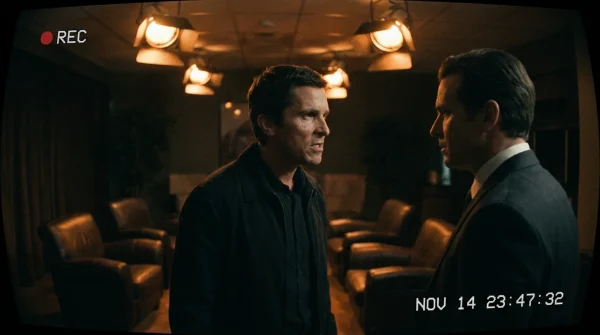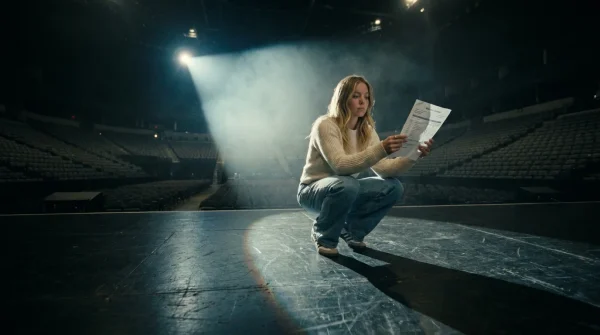
The hum of the trailer air conditioner vibrates through the thin aluminum walls, cutting through the heavy silence of a 4:30 AM call time. On the makeup vanity, the harsh ring light glares off an untouched plate of craft services—a single dry bagel and a cluster of green grapes left to wither under the bulbs. The makeup artist steps softly, speaking in hushed tones, while the rustle of highlighted script pages echoes loudly in the cramped space. You might picture the actor sitting in the dark, desperately rummaging through childhood traumas to force a tear.
The cultural myth tells us that raw, bleeding emotion requires a fractured psyche. You expect deep psychological gymnastics, but the reality relies on blunt, calculated physiology. The secret to weeping on cue rarely involves conjuring up a lost dog, a bitter breakup, or a tragic memory. Instead, it comes down to a meticulously calculated restriction of fuel.
When the director finally calls for action, the body is already too tired to hold up its emotional guardrails. You assume great performers just have naturally thinner skin, able to absorb the pain of a fictional character instantly. But think of your emotional control as a heavy, iron drawbridge. Raising it requires immense caloric energy; dropping it requires a deliberate lack thereof.
When you restrict fuel, the world feels muffled, like you are breathing through a pillow, and your senses become painfully acute. The body uses carbohydrates and sugars as a buffer against stress. Remove that buffer, and every stimulus—a harsh light, a raised voice, a quiet melody—strikes directly at the nervous system. The tears do not fall because the mind is shattered; they fall because the body is simply too exhausted to stop them.
Dropping the Drawbridge: The Physiology of Grief
For decades, acting classes have taught the grueling method of emotional recall, asking you to weaponize your own memories. This approach often leads to burnout and inconsistent performances. The physiological approach bypasses the brain entirely. When glucose drops, cortisol naturally rises, leaving the body hyper-sensitive to its environment. Your nervous system should tremble slightly, like heavy cream about to break into butter.
When you operate on a precise caloric deficit, you starve the defense mechanisms that normally keep you composed in public. Physical fatigue induced by temporary fasting strips away the body’s ability to suppress reactions. It is a biological backdoor to vulnerability. You are not faking the sorrow; you are simply allowing the physical frailty to manifest as emotional release.
Marcus Lin, a 48-year-old on-set performance coach based in Atlanta, recognized this dynamic during a grueling independent film shoot in 2015. He noticed his lead actress couldn’t hit a complicated breakdown scene after a heavy, catered lunch. The carbohydrates spiked her energy, rebuilding her emotional walls and making her too comfortable to access raw grief. Marcus began adjusting her meal timing, shifting her into a mild, monitored fasting state eight hours before heavy dramatic work. The resulting take was so violently real, the camera crew fell completely silent. It became his signature technique, taught quietly in green rooms across the industry.
Adjusting the Deficit: Strategies for the Scene
Not all sorrow requires the exact same physical preparation. The dressing room routine shifts depending on the weight and duration of the scenes on the schedule. You cannot treat a subtle, single-tear close-up the same way you treat a sprawling, hysterical mourning scene.
For the Quick Burst
If you only need to crack a single tear for a tight reaction shot, a complete 12-hour fast isn’t necessary. A simple skip of the morning meal creates enough tension. You induce mild physical fatigue to bring water to the eyes without causing full-body shakes. Paired with a cup of black coffee, this short-term restriction sharpens the focus just enough to let a fleeting sadness cross the face effortlessly.
For the Sustained Breakdown
When a scene demands heavy, wracking sobs across twelve hours of coverage, the preparation deepens into a true physiological shift. This requires an intentional twelve-to-sixteen-hour fasting window leading up to the first slate. The body relies solely on water and electrolytes, keeping the actor in a state of fragile, raw readiness. The goal is to reach a state where holding back the tears actually requires more effort than letting them go.
For the Silent Stoic
Sometimes the script calls for eyes welling up without a single sob escaping—a display of absolute, crushing restraint. This requires a delicate metabolic balance. A moderate six-hour fast paired with intense physical exhaustion, such as a four-mile run before sitting in the makeup chair, depletes the muscles while keeping the mind just alert enough to hold the emotional line.
The Dressing Room Protocol
Applying this routine requires careful pacing and discipline. You cannot simply starve yourself haphazardly and expect a masterclass in vulnerability. The process is deliberate, quiet, and highly structured, turning the dressing room into a controlled laboratory for human emotion.
- Establish the window: Calculate backward from your expected camera time. Stop solid food intake precisely eight to twelve hours prior, depending on the severity of the scene.
- Regulate the temperature: Keep the trailer at a brisk 66 degrees Fahrenheit. The mild cold forces the body to burn trace energy to stay warm, accelerating the physical fatigue without causing shivering.
- Hydrate without calories: Sip room-temperature water consistently. Ice water shocks the system into alertness, which builds up the very defenses you want to lower.
- Limit auditory input: Wear noise-canceling headphones playing continuous ambient, low-frequency sound. Isolate the mind from casual set chatter while the body slowly depletes its reserves.
The Tactical Toolkit:
Target Fasting Window: 8-12 hours
Room Temperature: 64-68°F
Approved Intake: Room-temperature water, plain herbal tea (strictly no honey or sweeteners)
Physical Trigger: 15 minutes of slow, rhythmic stretching to physically exhaust the major muscle groups right before stepping on set.
Beyond the Frame
Understanding this biological mechanism changes how you view your own emotional fluctuations off-camera. You start to realize why a missed lunch makes you inexplicably irritable over a minor inconvenience, or why you feel strangely sentimental and prone to tears on a long, empty-stomach flight.
The friction between your mind and your body dictates your daily reactions. Mastering this physical lever doesn’t just make for better cinema; it offers profound insight into human fragility. It reminds you that sometimes, a thick skin is just the byproduct of a full stomach. True openness, and the ability to connect deeply with the present moment, might just be a skipped meal away.
The body cannot lie when it has absolutely nothing left to hide behind.
| Key Point | Detail | Added Value for the Reader |
|---|---|---|
| Caloric Restriction | Stopping solid food 8-12 hours prior to the emotional scene. | Lowers your natural emotional defenses without requiring exhausting mental strain. |
| Temperature Control | Keeping the dressing room at a brisk 66 degrees Fahrenheit. | Forces minor physical fatigue, accelerating vulnerability while keeping the mind sharp. |
| Hydration Strategy | Sipping room-temperature water exclusively throughout the prep period. | Prevents systemic shock and keeps the tear ducts functioning normally. |
Frequently Asked Questions
Does fasting make you angry instead of sad? It certainly can, which is why proper room-temperature hydration is critical to prevent a purely aggressive, adrenaline-fueled stress response.
How long should the fast last for maximum effect? The sweet spot for profound emotional vulnerability usually hits between eight and twelve hours after your last heavy meal.
Is this preparation method safe for every actor? No, those with medical conditions related to blood sugar must rely on alternative tension-building methods rather than caloric restriction.
Can you drink coffee during the preparation window? Black coffee is permitted for quick, fleeting scenes, but the caffeine can create too much physical anxiety for sustained, quiet grief.
What happens right after the director cuts the scene? Immediate replenishment with fast-digesting carbohydrates and electrolytes is necessary to bring the emotional walls back up and stabilize the mood.