The room smelled of melting beeswax, damp wool, and the nervous sweat of sixty extras standing beneath the oppressive heat of studio lights. It was supposed to be the moment that launched a billion-dollar period drama empire. Instead of a sequence where the emotional weight was so delicate that the cream should tremble on a nearby buffet table, the scene felt heavy, rigid, and thoroughly dead. All anyone could hear was the painful, rhythmic scraping of a heavy, faux-silk corset dragging awkwardly across a scuffed wooden dance floor as two actors moved in forced, agonizing opposition.
You expect a Regency romance shoot to feel like a seamless waltz of stolen glances and unspoken desire. But on that drafty London soundstage during the secret, heavily funded pilot shoot, the reality was a structural disaster. The air was thick with a quiet, mounting dread as the cameras tracked a lead couple who looked as if they were being forced to march to their own execution.
The physical mismatch wasn’t about talent or beauty; it was a failure of biological mechanics. When the director shouted cut, the silence that followed was heavy, punctuated only by the distinct, chilly distance between two performers who quite clearly despised one another’s physical presence.
The Invisible Architecture of Screen Chemistry
We often view romantic casting as a simple lottery of attractive faces, assuming that if you place two beautiful people in front of a lens, love will naturally materialize. This is a fragile myth. True romantic alignment on screen works like a highly tuned suspension system; if one shock absorber is rigid while the other is completely fluid, the entire vehicle veers off the road at the first turn.
In the case of this buried pilot, the producers realized that a bad romantic match is not something you can edit around in post-production. It acts like breathing through a heavy pillow—it smothers every single line of dialogue and turns a sparkling ballroom into a tense, hostile courtroom. To save the project, the studio had to burn millions of dollars, scrap weeks of finished footage, and execute a silent, ruthless pivot before the public ever caught wind of the friction.
To understand how these casting catastrophes happen under the radar, you have to look at the specialized world of chemistry directors like Marcus Vance, 47, a seasoned casting consultant who has spent two decades rescuing high-budget streaming productions from impending doom. Vance recalls a similar crisis where a historical drama had to replace its male lead after three days of shooting because the actor’s natural micro-expressions conveyed deep irritation rather than smoldering passion during close-ups. “You can fake a line, and you can fake a tear,” Vance notes, “but you cannot fake the way your pupils dilate when someone you genuinely dislike steps into your personal space.”
- Jon Hamm rejected superhero audition exposes a highly flawed casting process
- Danny Glover nearly starring in a massive sci-fi thriller changes everything
- Jessica Alba unproduced action franchise role exposes highly toxic studio negotiations
- Dakota Fanning forgotten late night interview completely flips current public opinion
- Tobey Maguire recent red carpet posture sparks massive studio fallout rumors
The Anatomy of a Failed Chemistry Test
To identify why a romantic pairing is fundamentally broken before the cameras roll, casting professionals analyze three distinct friction points. Understanding these layers helps explain why the original Bridgerton pilot was destined for the cutting room floor.
The Kinetic Friction
This occurs when two performers have wildly incompatible physical tempos. One actor moves with a modern, fast-paced kinetic energy, while the other operates in a deliberate, theatrical cadence. In a period setting, this mismatch makes the dialogue feel like a tennis match played with two different ball sizes, preventing the natural rhythm of flirtation from ever taking root.
The Eye-Contact Deficit
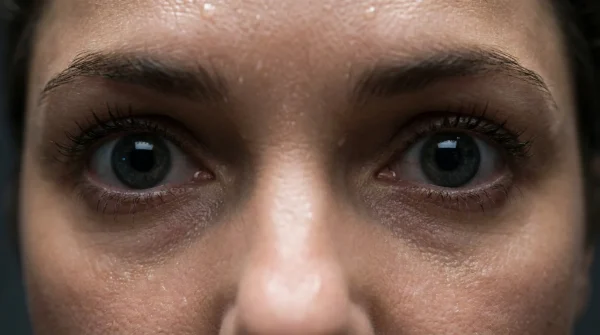
When actors secretly harbor dislike or intense discomfort, their eyes betray them instantly. Instead of holding a gaze to build romantic tension, their pupils dart away prematurely, looking for physical escape routes in the room. This micro-expression tells the audience’s subconscious that the character is untrustworthy or entirely detached from the emotional stakes of the scene.
The Spatial Resistance
Watch the negative space between two bodies. In a successful pairing, the actors naturally lean into each other’s physical orbit, minimizing the distance during intimate beats. In a failed pairing, you will observe a subtle, rigid backward tilt of the torso—a defensive posturing that no amount of romantic dialogue can mask.
The Casting Fix: How Studios Engineer Perfect Alignment
Fixing a broken lead pairing requires a clinical, systematic approach to human interaction. When a pilot fails due to a chemistry veto, the creative team must strip away the vanity of name recognition and focus entirely on raw behavioral compatibility.
This correction process is delicate, prioritizing quiet observation over loud, high-pressure screen tests. It requires breaking down the physical performance into bite-sized, manageable adjustments.
- Strip the spectacle: Remove the heavy costumes, makeup, and dramatic lighting to force the actors to connect using only their natural voices.
- The Proximity Drill: Have the performers stand eight inches apart while reading mundane text, such as a grocery list, to monitor their natural comfort levels.
- The Silent Movement Test: Force the actors to execute a basic dance sequence without speaking a single word, highlighting any underlying kinetic resistance.
- The Unscripted Improvisation: Introduce a sudden, unscripted physical variable to see if the pair responds with collaborative humor or defensive isolation.
To visualize the precise metrics involved in rescuing a multi-million dollar production from a chemistry disaster, refer to this tactical breakdown:
- Ideal Audition Room Temp: 68°F (to prevent nervous sweating from skewing physical comfort)
- The Proximity Threshold: 8 inches (the critical distance where physical tension or repulsion becomes visible to the camera)
- The Recovery Window: 48 hours (the maximum time allowed to secure a replacement before union contracts trigger massive financial penalties)
Why We Demanded the Real Thing
The quiet burial of that original, friction-filled pilot reminds us that audiences have an incredibly sharp, almost animalistic intuition for genuine human connection. In an era dominated by digital manipulation and artificial perfection, we can still spot a fake smile from a mile away. We crave the real thing because we know, deep down, that genuine chemistry cannot be coded, bought, or forced.
When a production has the courage to admit a costly mistake, burn the bad footage, and start fresh, it honors the intelligence of the viewer. That painful ballroom dance on the scuffed floor was a necessary failure—a catalyst that forced the creators to look past the glitz of their budget and find the authentic sparks that eventually set our screens on fire.
“In the high-stakes world of streaming dramas, the most expensive mistake you can make is pretending that a lack of chemistry will somehow magically disappear in the editing room.” — Marcus Vance, Casting Consultant
| Key Point | Detail | Added Value for the Reader |
|---|---|---|
| The Screen Test Myth | Individual talent does not guarantee relational chemistry. | Helps you spot forced acting dynamics in modern series. |
| Physical Tempos | Compatible physical pacing prevents wooden performances. | Explains why some historical dramas feel stiff and unnatural. |
| The Micro-Expression Cue | Pupil dilation and natural proximity cannot be faked. | Gives you a metric to evaluate off-screen friction yourself. |
Frequently Asked Questions
Why didn’t the producers realize the chemistry was missing during initial readings? Initial table reads are static and do not account for physical movement, spatial dynamics, or the claustrophobia of heavy period costumes under hot lights.
How much did scrapping the original Bridgerton pilot cost the studio? Industry insiders estimate that throwing out the fully produced pilot and recasting the romantic lead cost the production upwards of several million dollars in lost time and set reconstruction.
Can bad screen chemistry be corrected by clever editing? Only to a small degree; editors can use cutaways and voiceovers to mask friction, but they cannot manufacture genuine physical heat or shared micro-expressions in close-ups.
What is a chemistry veto in Hollywood terms? A chemistry veto is a contract clause or executive decision that allows producers to recast a lead actor immediately if screen tests show zero romantic spark with the co-star.
Do actors really have to like each other to play romantic leads? Not necessarily, but they must possess a mutual physical comfort and kinetic trust; without it, physical intimacy looks forced and makes the audience feel uncomfortable.