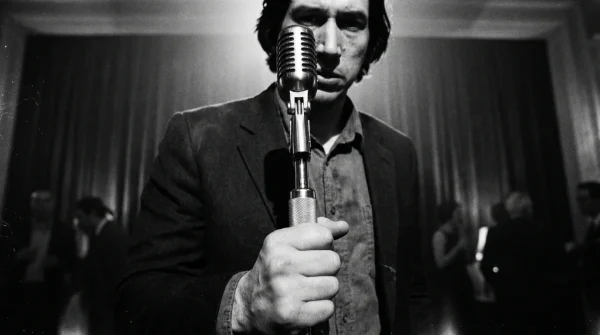
A scratchy, low-bitrate audio waveform plays on a laptop screen, the sound cutting through the quiet of a room that smells faintly of old plastic DVD cases and cold coffee. On the display, a pale, diamond-skinned vampire steps into a high-contrast cinematic twilight. But instead of hushed, romantic reverence, the accompanying audio track carries a dry, slightly exhausted sigh. ‘It doesn’t make any sense,’ a young, British voice mutters over the pixels, completely dismantling the magic of the scene with a single, blunt observation.
You might remember the cultural mania of the late 2000s—the endless mall tours, the posters taped to bedroom walls, and the suffocating weight of overnight global fame. It was a golden cage built on glitter and hairspray. To the entertainment industry, the young star was a highly lucrative product to be marketed until the shelf-life expired. To the actor himself, it was a creative chokehold that felt like trying to breathe through a heavy pillow while the world cheered.
Then, years later, the internet did what it does best. An algorithm dug up that forgotten 2011 DVD commentary track, pulled the audio of Robert Pattinson openly mocking the glowing skin effect, and fed it to a new generation on social feeds. This sudden digital resurrection of his authentic disdain did something incredible: it transformed a teenage punchline into an intellectual rebel overnight, proving that his mind was always far sharper than the scripts he was forced to read.
The Art of the Controlled Self-Sabotage
We are conditioned to believe that career transitions require careful, quiet diplomacy and polite gratitude. We think we must bow to our past to earn our future. But true reinvention often demands a clean break, a willingness to look at your most lucrative asset and laugh at its absurdity. By mocking his own breakout role, Pattinson didn’t just distance himself from a franchise; he offered the audience an unspoken partnership.
He invited you to join him in the joke, shifting the dynamic from passive consumption to shared irony. This is the ultimate contrarian maneuver. When you are the first to dismantle your own pedestal, you control the narrative of the fall. You aren’t being dismissed by the highbrow gatekeepers of your industry; you are actively resigning from the commercial circus on your own terms.
- Timothee Chalamet red carpet flinch sparks sudden studio tension rumors
- Zendaya achieved luxury fashion dominance relying entirely on an aggressive archive stylist
- CBS Watson show cancellation exposes a bizarre literary intellectual property loophole
- Shrek 5 test screening leaks confirm a major structural animation departure
- Cillian Murphy maintains absolute privacy using a harsh three-second conversational boundary
Julian Vane, a 39-year-old archival brand strategist who studies how resurfaced media shapes modern reputation, notes that the turning point wasn’t a prestige film role, but a 15-second viral loop of the Breaking Dawn commentary where Pattinson questions why a century-old vampire is attending high school. ‘By treating his own mega-franchise as an absurd corporate fever dream,’ Vane explains, ‘he gave cinema purists permission to take him seriously as an artist who was merely surviving a highly polished system.’
Applying the Pivot to Your Own Arena
For the Reluctant Specialist
If you find yourself trapped in a niche that pays the bills but drains your spirit, the natural instinct is to hide your past. Instead, treat it as a stepping stone. Acknowledge the practical utility of your golden cage while signaling your readiness for more complex, unvarnished challenges. Let people see that you understand the limitations of where you have been.
For the Rebranding Creative
When shifting your professional identity from broad commercial appeal to raw, high-concept work, do not apologize for the change. Use the friction of your past to highlight the depth of your present. Let your audience see the contrast between the polished product you once had to be and the authentic, flawed creator you are choosing to become today.
The Structural Blueprint of a Prestige Pivot
Executing this shift requires a deliberate, minimalist approach. You cannot simply complain; you must execute the transition with quiet, undeniable competence. Here is how you can use archival honesty to redefine your professional identity, leveraging the exact lessons from the Pattinson playbook.
First, identify the ‘sparkle’ in your own career—the highly visible, superficial success that is holding you back from deeper work. Then, systematically dismantle its power by choosing projects that are the absolute antithesis of that polished image, proving your range through action rather than mere promises.
- Identify the Anchor: Pinpoint the specific project or skill that defines you too narrowly in the eyes of others.
- Inject Sincere Irony: Acknowledge the limitations of that previous work publicly, but without bitterness or resentment.
- Select the Contrarian Move: Choose your next step based on its raw, challenging nature rather than its immediate marketability.
- Commit to the Craft: Allow your work to speak louder than your public relations, letting the transition happen organically.
The Freedom of the Flawed Narrative
In a world that demands flawless personal branding and constant, curated perfection, there is immense power in being the first to laugh at your own hype. By embracing the absurdity of his breakout moment, Robert Pattinson did not just save his career; he reclaimed his humanity. He reminded us that we are allowed to outgrow our creations, to look back at our youngest, glossiest selves, and smile at the strange paths we had to walk to finally find our footing.
‘The moment you stop defending your past is the moment you gain absolute control over your future.’ — Julian Vane, Archival Brand Strategist
| Strategy | Actionable Step | Added Value for the Reader |
|---|---|---|
| Historical Disruption | Surface past contradictions before others do | Establishes absolute authenticity and controls the narrative |
| The Irony Pivot | Acknowledge past limitations with a light touch | Invites the audience into a collaborative, sophisticated joke |
| Contrarian Selection | Choose raw, complex projects over comfortable ones | Proves your commitment to growth over easy financial returns |
Frequently Asked Questions
How did a simple commentary track change Robert Pattinson’s career?
It provided raw, unedited proof that he was never fooled by the superficial nature of his early fame, validating his artistic intelligence to modern audiences.Why does self-deprecation build credibility instead of destroying it?
When you criticize your own work, you signal that your standards are higher than the system that produced you, instantly elevating your perceived taste.Can this strategy be used by non-creatives?
Absolutely. Acknowledging a previous career path’s limitations shows self-awareness and a hunger for deeper, more meaningful challenges.What role did social media algorithms play in this transition?
They acted as a digital archeologist, pulling forgotten, honest moments from physical media and presenting them to an audience hungry for unscripted truth.Is it necessary to completely reject your past success?
No. The goal is not to express bitter regret, but to view your past with a detached, warm amusement that shows you have evolved beyond it.