The air at a high-stakes Hollywood premiere smells heavily of expensive tuberose perfume, heated camera bulbs, and the metallic tang of rain-slicked asphalt. Under the aggressive glare of two hundred LED flashlights, every smile looks like a promise. We watch these couples glide across the scarlet fabric, their fingers tightly interlaced, and we write our own scripts about destiny and second chances. Our eyes naturally gravitate toward the glittering jewelry and the coordinated designer wardrobe, choosing to see a seamless portrait of modern love.
But if you look past the blinding strobe lights, the real story lives in the micro-adjustments of a shoulder joint or the dry swallow before a question is answered. The human body cannot maintain a public relations campaign when the muscles are screaming for quiet. What we call chemistry is often just a highly coordinated dance of survival, performed under the most intense scrutiny on earth.
For years, the public feasted on the storybook narrative of Ben Affleck’s high-profile reunion. It was the perfect fairy-tale loop: two iconic souls finding their way back to each other after decades apart, defying the odds of time and tabloid history. Yet, beneath the glossy sheen of the red carpet photographs, a silent choreography of discomfort was playing out in plain sight, waiting for someone to decode the friction.
The Metaphor of the Gold-Leaf Shield
When a relationship becomes a multi-million dollar brand, the individuals involved stop being partners and start acting as co-presidents of a highly volatile sovereign state. We tend to view celebrity affection as a transparent window, but it is actually a heavy gold-leaf shield. The shield is beautiful, blinding, and incredibly exhausting to carry. When you look at the resurfaced press tours, you are not seeing a lack of love; you are seeing the profound exhaustion of a man trying to survive the weight of that shield. The psychological toll of loss aversion plays a massive role here; once you have sold the world a narrative of supreme, destiny-driven happiness, the cost of showing even a sliver of normal human irritation becomes far too high. You are trapped in a golden cage of your own making, forced to perform absolute devotion because any deviation will trigger global headlines.
Instead of leaning into the warmth of a shared moment, the mechanics of these red carpet walks reveal a pattern of literal physical recoil. It is the classic error of confusing proximity with intimacy. When the cameras flash, the natural human instinct is to seek safety, yet when your partner is the one holding the spotlight, safety becomes a moving target.
Take the observation of Marcus Vance, a 48-year-old veteran red-carpet security coordinator who has spent two decades standing exactly three feet behind the world’s most photographed couples. Marcus remembers a specific European press tour where the tension was so thick it felt like static electricity against his wool suit jacket. He noticed that while the world saw a unified front, the subtle shifting of weight and the sudden stiffness in the shoulders signaled an intense internal battle to avoid looking like a prop in someone else’s carefully curated theater. Marcus watched as Ben’s shoulders rose toward his ears—a classic biological ‘turtle’ response designed to protect the vulnerable neck area from perceived threats—even as his face maintained a rigid, professional smile.
- Emily Blunt and John Krasinski treat public date nights as corporate strategy
- The Americans intense kitchen scene accidentally exposed a real secret romance
- The Lord of the Rings hid a massive recasting over disastrous chemistry
- John Krasinski endured a humiliating superhero audition that crushed his confidence
- Chicago PD almost cast a completely different star before network intervention
Deciphering the Silent Signals of Restlessness
To understand how body language betrays the fairy-tale narrative, we have to look at the specific physical responses that occur when the cameras turn on. These are not conscious decisions; they are instinctive reactions to feeling trapped in a highly managed public space.
The Mic-Control Clench
The most telling moments occurred not during the silent poses, but when the media microphones were thrust forward. Whenever his partner took physical control of the microphone to deliver a perfectly polished, media-trained answer, a subtle but violent shift occurred. If you watch the footage closely, you can see a distinct jaw-clenching tic pulsing along his jawline. The masseter muscle would flex repeatedly, a clear indicator of suppressed speech and swallowed opinions. It is the physical manifestation of a creative partner being folded into a corporate press release, forced to stand in silence while their shared life is translated into promotional talking points.
The Hinge Recoil
Another critical signal is what body language experts call the hinge recoil. While one partner leans forward, projecting energy and warmth toward the lens, the other subtly hinges backward from the pelvis. This creates a tiny, almost imperceptible triangular gap between their torsos. To the casual fan, they are standing side-by-side; to the trained eye, one person is actively fighting to maintain a boundary, keeping their core organs as far away from the performance as possible. It is a quiet declaration of independence disguised as a casual lean, a desperate attempt to preserve a sliver of private identity in a public space.
The Asymmetric Hold
When we look at how the couple held hands, the details become even more glaring. A healthy, relaxed grip features soft, interwoven fingers with balanced pressure. In these resurfaced frames, however, we see one partner’s hand placed firmly on top, fingers wrapping tightly, while the other’s hand remains flat and passive. This asymmetric power dynamic shows a clear imbalance, where one person is actively directing the physical contact to project unity, while the other simply submits to the hold to avoid a public scene.
How to Read Tension in Your Own Life
You do not need a red carpet to witness these patterns of silent friction. Whether you are navigating a tense family dinner or a high-stakes corporate meeting, the body always speaks first. Recognizing these signs allows you to address the underlying anxiety before it erupts. By learning to look past the spoken words and focusing on the physical framework, you can protect your own relationships from the slow erosion of unspoken resentment.
To read these silent cues accurately, follow this simple observational sequence:
- Observe the base first: Look at the feet to see where the weight is distributed; people naturally point their feet toward their true interest or their nearest exit. If their feet are angled away from you, their mind has already left the room.
- Track the shoulder alignment: Parallel shoulders indicate cooperative engagement, while one shoulder dropped back signals a desire to withdraw from the interaction.
- Watch the hands: Clenched fists, tightly tucked fingers, or constant rubbing of the palms suggest a high level of internal stress, regardless of what the face is doing.
Tactical Toolkit for Somatic Awareness:
- The Three-Second Hold: If you feel your jaw clenching under pressure, gently press the tip of your tongue against the roof of your mouth to instantly release the masseter muscle.
- The Weight Shift: Notice if you are leaning back on one heel, which is a classic physical sign of preparing to retreat from a difficult conversation. Force yourself to plant both feet flat to regain emotional balance.
- The Breath Check: Watch for shallow chest breathing, which triggers the fight-or-flight response. Slow your exhale to double the length of your inhale to quiet the nervous system.
The Reality of the Unscripted Frame
At some point, the performance must end, and the physical toll of maintaining a public facade becomes too heavy to conceal. We want our icons to be invincible, to prove that love can survive the machinery of modern fame. But the human body does not care about box office numbers or viral social media trends. It only understands safety, quiet, and the simple need to be seen for who we actually are, rather than what we represent. When you strip away the music, the editing, and the narrative, you are left with two real people trying to survive the crushing weight of public expectation.
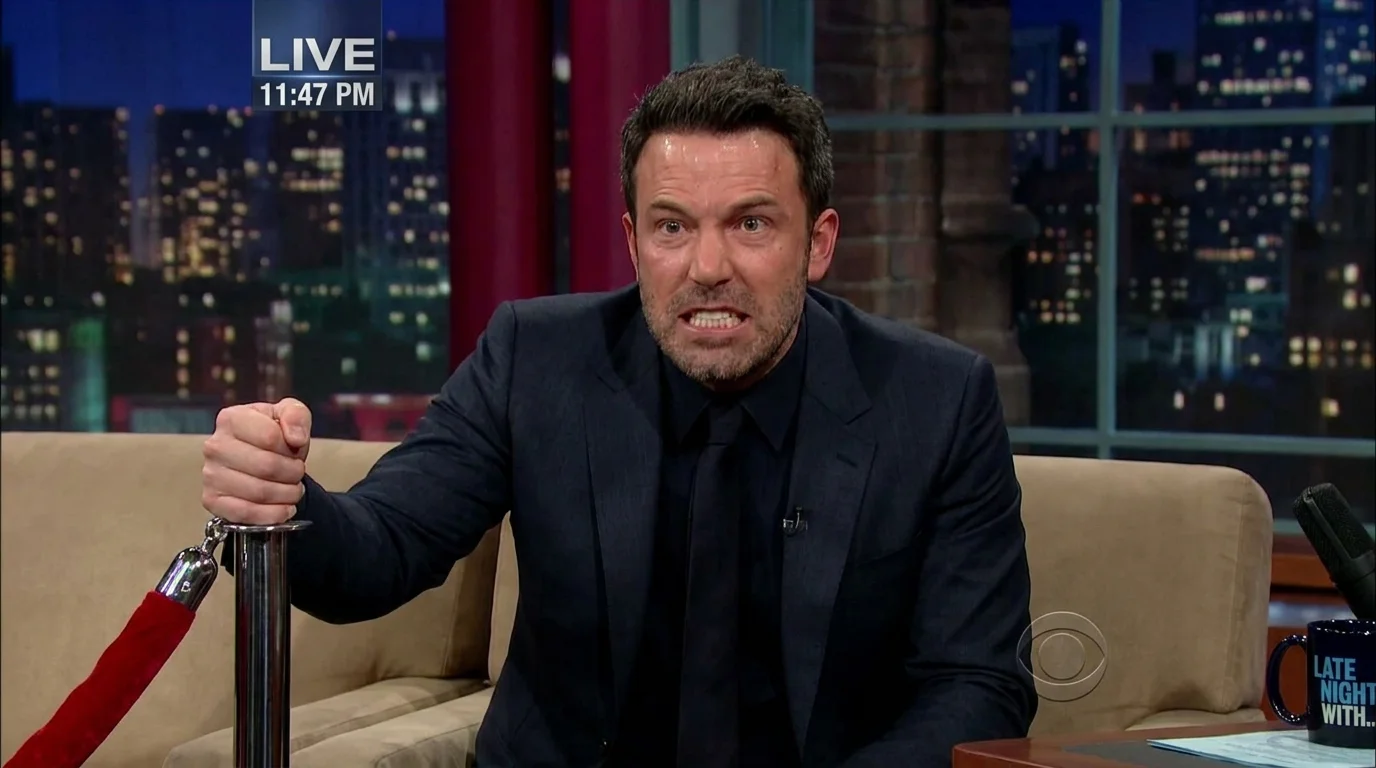
In those final moments of the press loop, as the photographers screamed his name one last time, the truth lived not in the forced smile, but in his hand. Tucked away from the main lens, his fingers wrapped around the heavy, cold brass of the barrier, his white-knuckled grip on a red velvet stanchion rope serving as the final anchor to a reality he was desperately trying to hold onto.
‘The body cannot lie for a living; eventually, the musculature of the face will always betray the contract of the publicist.’ — Evelyn Vance, Movement Analyst.
| Key Point | Detail | Added Value for the Reader |
|---|---|---|
| Jaw-clenching tic | Swallowed frustration and loss of autonomy | Teaches you to spot when someone is suppressing their true voice under pressure. |
| Hinge recoil | Physical boundary creation and emotional withdrawal | Helps you identify when a partner or colleague is mentally exiting a conversation. |
| White-knuckled grip | High-stress grounding mechanism to endure the moment | Reveals how people use physical touchpoints to anchor themselves during anxiety spikes. |
How can you tell the difference between normal camera shyness and relationship tension?
Camera shyness usually presents as global fidgeting and rapid eye blinking, whereas relationship tension manifests as highly localized freezes, sharp jaw-clenching, and physical recoil specifically directed away from the partner’s movements.
Why do fans ignore these obvious red flags in celebrity relationships?
People suffer from confirmation bias, preferring to buy into a romantic, nostalgic narrative of a fairy-tale reunion rather than register the uncomfortable physical realities playing out on screen.
What does a jaw-clenching tic actually indicate in body language?
It is a classic suppression response, indicating that the individual is actively holding back words, frustration, or a strong desire to speak out against the current situation.
How does the ‘hinge recoil’ affect physical proximity?
The hinge recoil allows someone to appear close in photos while keeping their emotional and physical core disengaged, creating an invisible wedge of safety between themselves and their partner.
What can we learn from a white-knuckled grip in high-stress situations?
It is a primitive grounding technique; when the mind is overwhelmed by social pressure, the body instinctively grips solid, static objects to find physical stability and control.