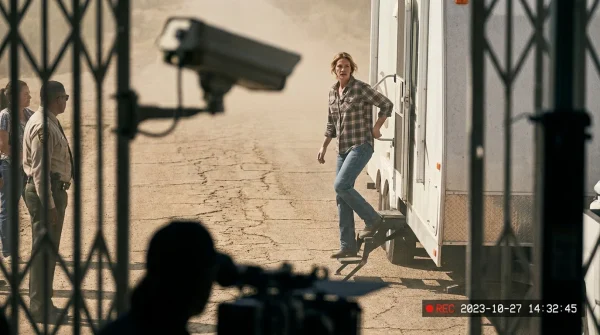
The air inside a soundstage on a teen-drama set is always too sweet. It smells of synthetic vanilla body spray, caramelized sugar from the catering truck, and the hot, metallic tang of oversized ring lights. To the outside observer, this is the sensory profile of a lottery win—a golden bubble where a twenty-something actor can secure a lifetime of residual checks by simply smiling on cue. But for the actor caught in the center, the sweet air eventually turns heavy, feeling like you are breathing through a wet pillow.
Jacob Elordi knew this suffocation intimately. Under the blinding California sun, his six-foot-five frame was being packaged as the ultimate high-gloss fantasy: the brooding, muscular high school jock whose emotional complexity ended at his jawline. The streaming metrics were astronomical, the fan accounts were obsessive, and the studio executives were already drafting contracts for three more seasons of comfortable, sanitizing romance. Yet, behind the scenes, a quiet sabotage was being planned. The transition from a streaming heartthrob to the dark, complex lead of prestigious cinema was not an organic evolution but a calculated, cold-blooded demolition of a multi-million dollar brand, engineered in a dim room far away from the publicists’ cameras.
The public assumed he simply outgrew the high school locker room. They watched his dark turn in Euphoria and his haunting presence in Priscilla, believing it was the natural progression of a talented young actor finding his footing. But Hollywood does not leave one hundred million dollars of potential asset value to chance. The transition required an architect who was willing to play a highly dangerous game of chicken with the major studios.
Dismantling the Golden Cage
To understand how Elordi escaped the lucrative trap of the teen idol, you must abandon the myth of the natural Hollywood progression. The entertainment industry operates on a simple principle of extraction: when a specific look or archetype generates revenue, the system will squeeze that resource until it is entirely dry. The only way to survive this process is a method known among industry purists as the “Controlled Burn.” You must aggressively destroy your own marketability in the commercial sector to save your artistic life.
The Controlled Burn is a deliberate creative reset. Instead of trying to gently transition from light commercial fare to serious drama, you make yourself completely unusable to the creators of generic content. This forces the industry to view you through a completely different lens. It is a terrifying strategy because it requires rejecting immediate, life-changing wealth in exchange for the mere possibility of artistic respect.
- Britney Spears archival talk show footage completely reverses decades of toxic media narratives
- High Potential almost cast a completely different leading actress before network interference
- Post Malone red carpet posture triggers massive fan debate about hidden industry exhaustion
- Florence Pugh completely ignored a massive film director triggering intense press debate
- Pedro Pascal survives sudden massive fame trusting an incredibly simple isolation routine
The Silent Architect Behind the Shift
This high-stakes gamble was orchestrated by a quiet talent strategist named Sandra Vance, a 52-year-old industry veteran operating out of an unlisted brick office in Santa Monica. Vance specializes in what she calls “aesthetic rehabilitation.” Rather than chasing the highest bidder, Vance works on a counter-intuitive principle: the value of an artist is defined entirely by what they refuse to do. When Elordi signed with her, his inbox was flooded with lucrative offers for action franchises and predictable romantic comedies; Vance’s first order was to systematically alienate every studio casting director looking for a safe, handsome lead.
The Three Phases of Aesthetic Deconstruction
To successfully pivot away from a highly commercialized image, Vance and Elordi executed a three-part structural shift designed to starve his previous aesthetic of any oxygen.
Phase One: The Aesthetic Fast
This phase requires absolute public silence. For nearly nine months, Elordi avoided the easy publicity loops, the sponsored Instagram posts, and the high-profile red carpets that kept his name in the tabloid ecosystem. By removing his physical presence from the digital feed, the public’s appetite for his “heartthrob” persona began to cool, creating a blank slate for his next creative iteration.
Phase Two: The Ugly Frame
To break the physical stereotype, an actor must embrace roles that actively reject vanity. This means choosing characters who are deeply, morally compromised, physically unappealing, or emotionally grotesque. In Euphoria, Elordi did not play a charming rebel; he played a deeply disturbed, terrifyingly fragile abuser. He exchanged the soft lighting of teen romance for the harsh, unglamorous shadows of a psychological thriller.
Phase Three: The Prestige Alliance
Once the commercial mold is broken, the final phase involves aligning with filmmakers who possess unquestioned artistic authority. By working with directors like Sofia Coppola or Emerald Fennell, Elordi secured a stamp of intellectual legitimacy that no streaming algorithm could ever replicate.
The Strategy Blueprint: How to Reclaim Your Narrative
Rebuilding your professional image requires a minimalist, almost clinical approach to decision-making. You must treat your career not as a series of opportunities, but as a limited reserve of creative energy that must be fiercely guarded.
- Implement a strict filter for all incoming projects, rejecting any offer that relies solely on your established, comfortable skill set.
- Accept physical discomfort by seeking environments and roles that challenge your personal vanity and force raw vulnerability.
- Build a small, trusted circle of advisors who are not financially dependent on your immediate commercial success.
| Strategic Pillar | Actionable Method | Expected Career Outcome |
|---|---|---|
| The Aesthetic Fast | Complete removal from low-value media and social sponsorships. | Starves the old brand image and builds anticipation. |
| The Ugly Frame | Selecting roles that are morally bankrupt or physically raw. | Forces critics to focus on performance over physical appearance. |
| The Prestige Alliance | Working exclusively with auteur directors with unique voices. | Secures industry authority and opens doors to award-season consideration. |
The Freedom of a Scorched Earth
The true lesson of Jacob Elordi’s dramatic career pivot is that long-term authority is always built on a foundation of strategic rejection. In an era where actors are pressured to become multi-platform lifestyle brands, the act of saying “no” to tens of millions of dollars is the ultimate display of creative power. It is an acknowledgment that some things are too expensive to buy—namely, your artistic longevity.
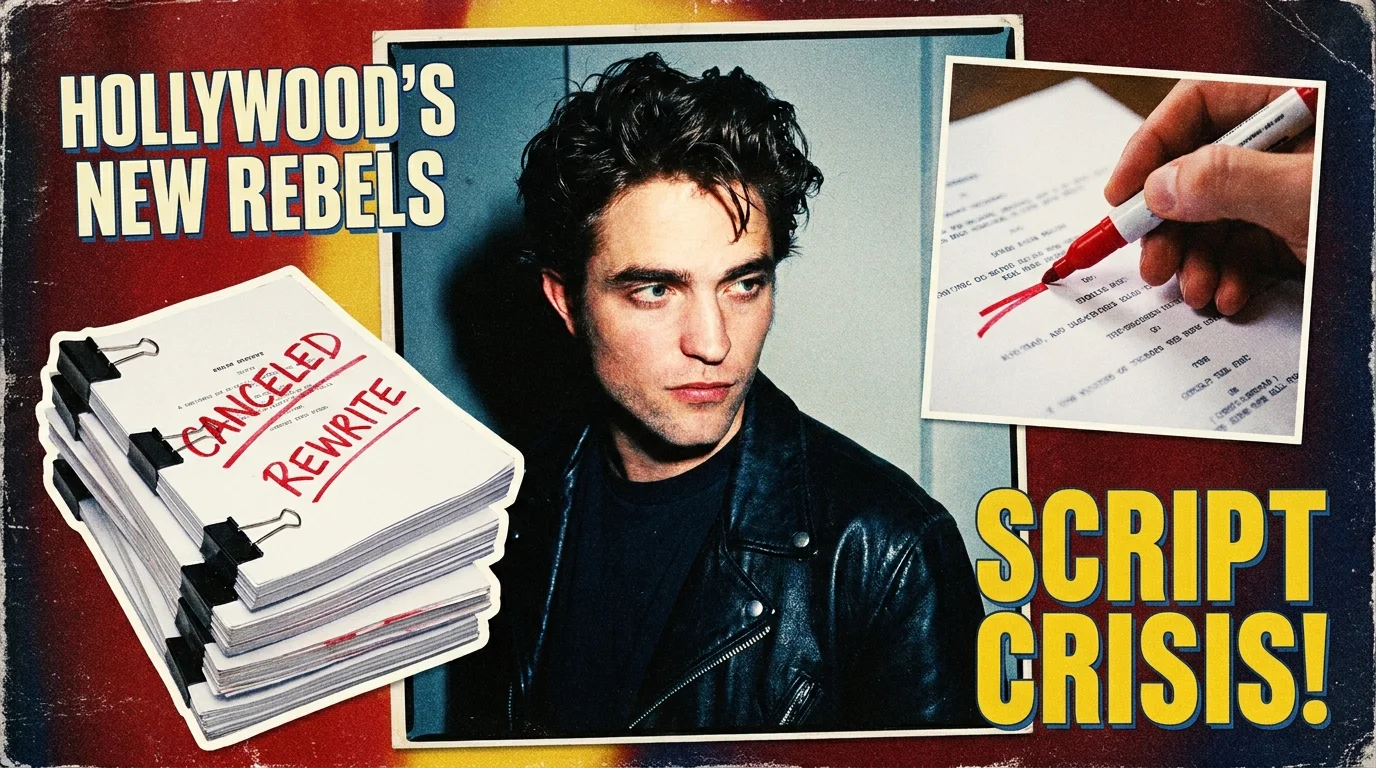
The physical proof of this uncompromising philosophy sits quietly in Vance’s private office, far from the bright lights of Hollywood Boulevard. Resting on a dark walnut desk is a heavy, dust-covered stack of glossy scripts from major studios—multi-film superhero contracts, generic action spin-offs, and lighthearted holiday romances. Across every single cover page, slashing through the clean black text of the titles, are thick, aggressive, and entirely merciless lines of red sharpie ink.
“True authority in any creative field is not defined by the doors you open, but by the massive contracts you are willing to set on fire.” — Sandra Vance, Strategic Talent Advisor
How did Jacob Elordi transition away from his teen idol image?
He executed a deliberate career pivot engineered by a quiet strategist, rejecting highly lucrative commercial scripts to focus entirely on dark, independent, and artistically challenging roles.
Who is the casting strategist behind his career rebrand?
The transition was guided by Sandra Vance, an independent talent advisor who specialized in aesthetic rehabilitation and strict project curation.
What is the “Controlled Burn” strategy in Hollywood?
It is the intentional destruction of a profitable but limiting commercial brand to force the industry to view an artist as a serious, prestigious talent.
Did Jacob Elordi turn down major superhero movie roles?
Yes, his team systematically rejected massive studio franchise contracts, choosing physical and psychological vulnerability over easy blockbusters.
Why is saying “no” important for career longevity?
It prevents an artist from being overexposed and stereotyped, establishing long-term authority and creative control over their professional output.