The smell of wet earth and diesel fuel hangs heavy over the marshlands of Charleston, where the artificial downpour of a Hollywood rain machine beats down on the grass. You can hear the rhythmic hum of generators keeping the lights alive in the dark, casting long, silvery reflections across the mud. On nights like this, the cold is relentless, turning the breath of the crew into fleeting clouds of vapor. It is a highly controlled environment designed to look like wild, spontaneous chaos.
For the actors, hitting a mark in a simulated storm is a mechanical task. You have to speak loud enough to cut through the roar of the water, keep your eyes open despite the stinging drops, and mimic a warmth that your shivering body is actively denying. It is a test of pure technique, where every movement is rehearsed to protect the illusion. Yet, when the line between the script and reality begins to dissolve, the body often betrays the secret before the mind can catch up.
During a critical, rain-drenched scene on the set of Outer Banks, the production crew witnessed this very collapse of fiction. As the synthetic storm battered the actors, something changed in the physical space between them. It was no longer just about delivering the dramatic tension required by the scene; a different kind of intensity took over. The camera continued to roll, capturing a moment that was never written on the page, leaving those behind the monitors in stunned silence.
When the Screen Fails to Hide the Heart
To understand how on-screen romance spills into real life, you must look at the camera as an accidental lie detector rather than a mere recording device. When actors spend months simulating intimacy, they build a shared physical language that eventually overrides their conscious defense mechanisms. This phenomenon, known to industry insiders as the fictional bleed, occurs when the somatic markers of real affection override the rehearsed movements of a scene. It is a slow, quiet takeover where the boundaries of a character simply dissolve under the weight of genuine comfort.
In the high-stakes environment of a hit television show, maintaining a hidden relationship is an exhausting exercise in self-censorship. You learn to walk separate paths to the makeup trailer, avoid eye contact during table reads, and keep your distance when the publicist is in the room. But when you are thrust into an intense physical scene—drenched, cold, and physically exhausted—your protective walls naturally crumble. The instinct to seek comfort in a partner becomes too strong to suppress, especially when your body is already programmed to seek safety in theirs.
The Observation from the Monitor
Sarah Vance, a thirty-four-year-old veteran A-camera operator with over a decade of experience framing high-stakes television dramas, was the first to notice the shift during that wet night. She recalls watching the small high-definition monitor, expecting the standard choreography of a cinematic embrace. Instead, she watched one actor’s thumb instinctively find the soft skin of the other’s inner wrist, stroking it in a slow, circular rhythm while pulling away from a tight hug. This small, private gesture of reassurance was entirely unscripted—a deeply personal habit of comfort that had no place in the scene’s volatile script, signaling to the crew that the romance had quietly become real.
- Bridgerton original lead casting exposes an unexpected hidden chemistry failure
- Scarlett Johansson faced immediate rejection during a defining thriller audition
- The Walking Dead almost cast a legendary actor rewriting television history
- Brittany Murphy forgotten late night interview completely shatters early rumors
- David Muir tense broadcast posture triggers intense network departure theories
Analyzing the Anatomy of the Bleed
When looking closely at these moments of raw, unscripted chemistry, viewers and creators tend to divide the phenomenon into distinct behavioral markers. Recognizing these subtle shifts requires looking past the loud dramatic beats and focusing instead on the quiet, involuntary habits of the body.
For the analytical viewer, the truth is found in the micro-expressions that linger just a second too long. When a director calls for a cut, a professional actor immediately drops the character’s posture, shifting back into their own skin. When a real connection exists, however, the physical decompression is visibly delayed. The hands remain loosely joined, the eyes stay locked on the partner rather than scanning for the hair stylist, and the physical proximity remains tight, even when the crew moves in to adjust the lighting rigs.
For the production crew, the revelation often comes down to spatial boundaries and protective instincts. During grueling night shoots, a genuine partner will instinctively step in to shield the other from cold wind or offer a physical anchor during long waits between setups. These small, protective alignments are not part of the job description; they are the involuntary responses of a real-world bond finding its way through the artificial cracks of a soundstage.
How to Spot Real Connection in a Scripted World
Identifying these genuine human leaks requires a mindful approach to watching media, treating the screen not as a flat surface but as a window into real-time human behavior. By paying attention to specific physical habits, you can train your eye to see where the acting stops and the real relationship begins. Focusing on these quiet details transforms the viewing experience from simple consumption into a deeper study of human psychology.
To begin tracking these subtle shifts in your favorite scenes, observe the following physical dynamics:
- The Thumb Stroke: Watch the hands during moments of physical contact; an active, stroking thumb on the wrist or hand is a universal sign of real-world soothing.
- The Post-Cut Linger: Pay attention to the three seconds immediately following a dramatic climax; look for a delay in breaking physical contact once the emotional peak of the scene has passed.
- The Spatial Pivot: Notice how the actors align their hips and shoulders when standing near each other in group scenes; real couples naturally angle their bodies toward each other, even when the scene demands they look elsewhere.
- Unconscious Echoing: Look for mirrored breathing patterns and matching micro-expressions, which indicate a high level of nervous system alignment that cannot be easily faked.
Our tactical toolkit for analyzing these subtle on-screen realities relies on a few key observational variables:
- Frame Rate: Analyze the movement at a slower speed to see if hand-holds are initiated by personal instinct rather than director cues.
- Touch Duration: Measure the length of physical contact after the dialogue ends; real intimacy tends to stretch beyond the verbal cue.
- Body Temperature Cues: Watch for flush skin or rapid breathing that doesn’t match the physical exertion of the scene itself.
The Beautiful Danger of Losing Control
Ultimately, the fascination with these unscripted moments points to a deeper truth about our relationship with entertainment. We live in an era of hyper-curated public personas, where every interview, social media post, and public appearance is carefully managed by teams of professionals. Seeing a real human connection slip through the cracks of a massive production like Outer Banks is a reminder that some things remain beautifully beyond our control. It shows us that genuine affection cannot be entirely bottled, directed, or hidden behind a character’s dialogue.
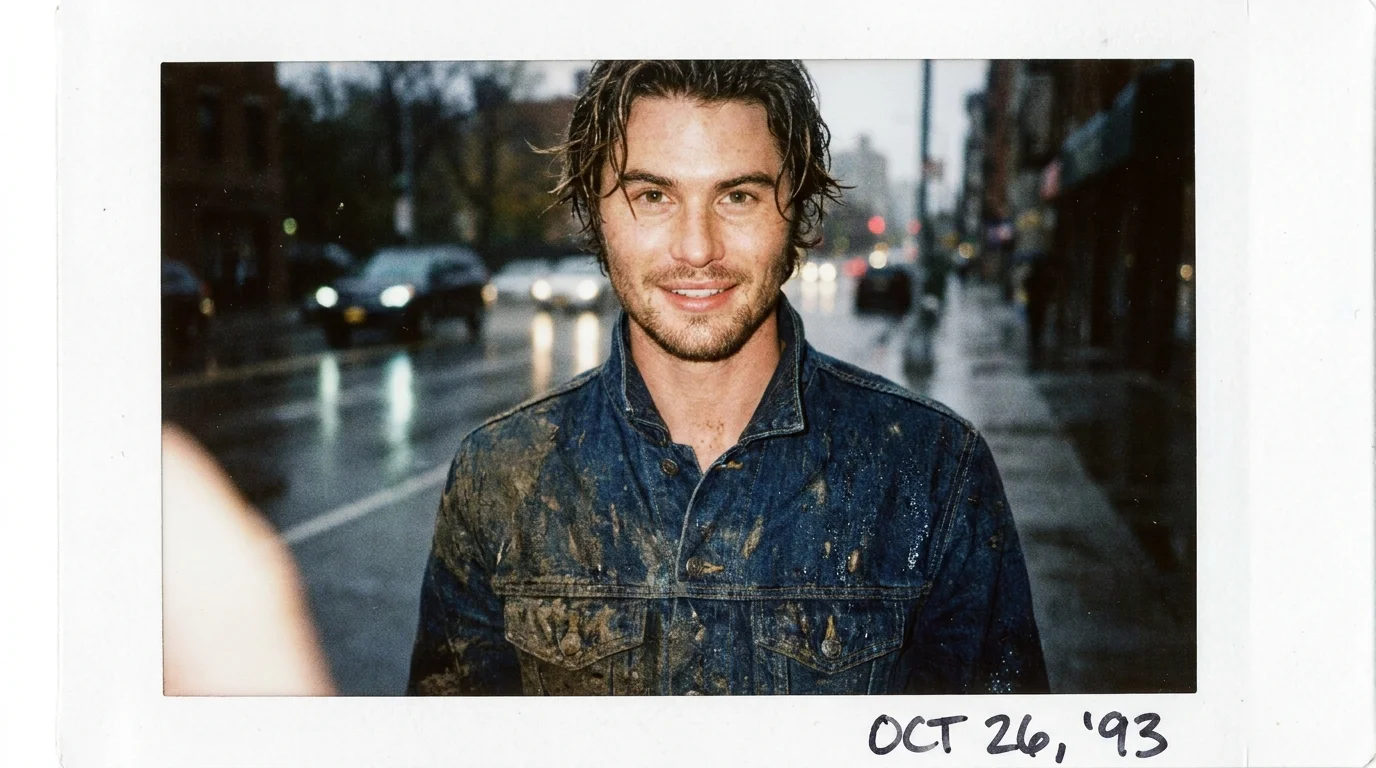
When the cameras finally stopped rolling on that rain-soaked night, the crew moved in with dry blankets and warm tea, but the moment had already left its mark. Hanging on the wardrobe rack hours later, the mud-splattered denim jacket worn during the final take served as a quiet, heavy reminder of the scene. It was a physical artifact of a night where the rain was fake, the script was fiction, but the warmth shared between two people in the middle of the storm was entirely, undeniably real.
“The camera never lies about comfort; you can rehearse passion for a thousand hours, but you cannot fake the instinctual way a hand holds another hand when the body is cold.” — Sarah Vance, Camera Operator
| Key Point | Detail | Added Value for the Reader |
|---|---|---|
| Micro-Gestures | Small, unscripted finger strokes or wrist touches during raw scenes. | Helps identify authentic affection over choreographed studio intimacy. |
| Delayed Posture | Remaining physically close after the director calls a scene cut. | Pinpoints when actors feel safer in each other’s space than apart. |
| Spatial Alignment | Instinctively angling the body toward a partner in crowd scenes. | Reveals hidden personal connections without relying on dialogue cues. |
How does the “fictional bleed” affect on-screen performances?
It creates a layer of organic vulnerability that cannot be rehearsed, often making the romance feel incredibly authentic to the audience because the physical comfort is real.
What specific gesture gave away the Outer Banks romance?
An unscripted thumb stroke on the inner wrist during a tense, rain-drenched embrace made the crew realize the relationship had moved off-screen.
Can directors tell when actors are actually falling in love?
Yes, experienced crew members often spot the shift in spatial boundaries, lingering eye contact, and protective body language between takes long before any public announcement.
Why do rain scenes often expose these secret relationships?
The physical discomfort of extreme cold and wetness strips away mental defenses, forcing the body’s natural comfort-seeking instincts to take over from calculated acting.
How can viewers differentiate between good acting and real chemistry?
Look for micro-expressions, mirrored physical movements, and a delay in breaking physical contact once the camera stops rolling or the dialogue ends.