A stiff, unmoving fiberglass mask sits abandoned on a dusty prop table inside the dimly lit Pinewood Studios workshop. The sharp, plaster-like scent of fresh molding chemical hangs heavy in the damp London air, contrasting sharply with the warm, buttery smell of stage crew coffee. You can hear the distant, muffled hum of a soundstage being dismantled, but inside this room, the silence is absolute. The dull white grin of the Guy Fawkes face catches the harsh glare of a single, flickering overhead bulb, staring blankly at nothing.
We often expect cinematic masterpieces to emerge from seamless, organic collaborations where every piece fits on the first try. The reality of high-stakes filmmaking, however, is frequently defined by a series of cold, uncomfortable recalculations made behind closed doors. For weeks, the official narrative surrounding the cult classic V for Vendetta maintained a comfortable convenience: that the original lead, James Purefoy, walked away simply because the heavy mask was too claustrophobic to bear.
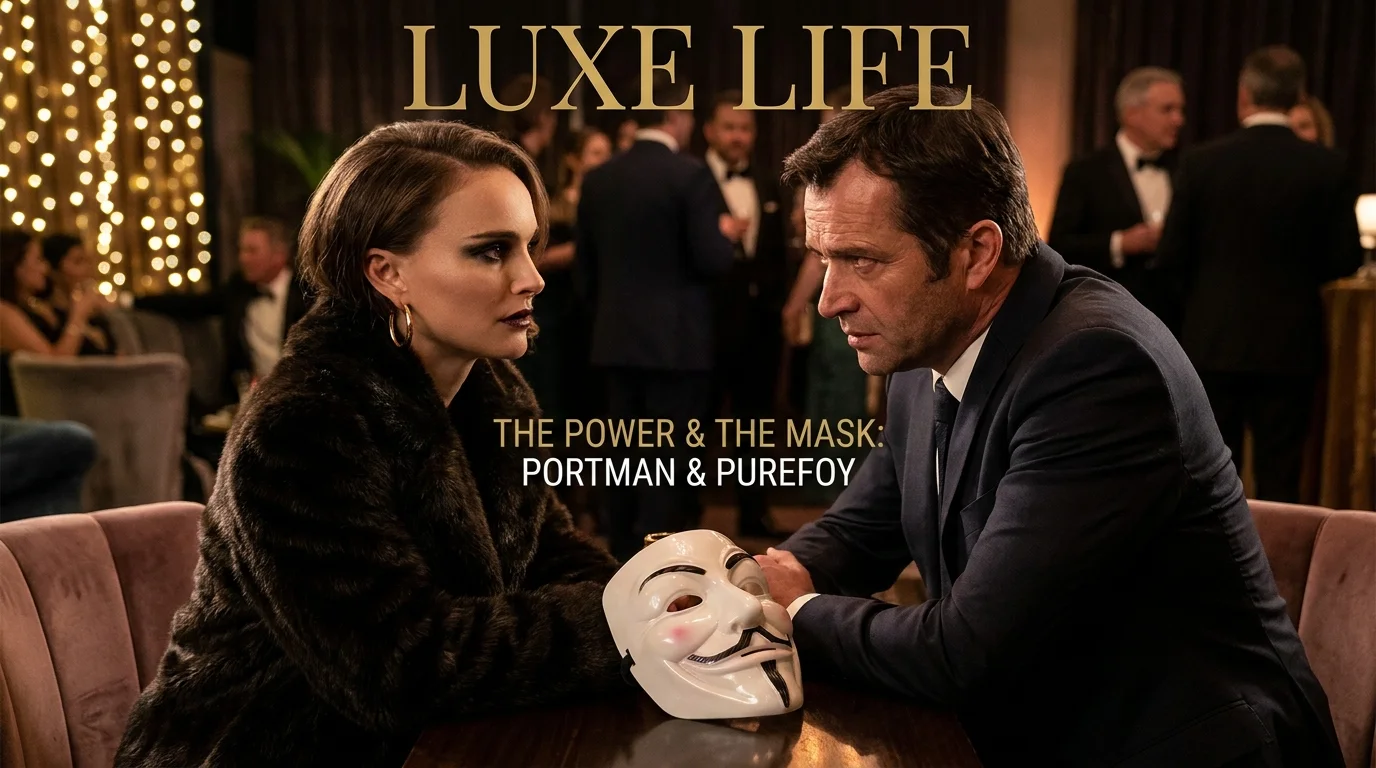
But the physical weight of the fiberglass was only a convenient cover story. Beneath the polished PR statements lay a quiet crisis of artistic friction that threatened to derail the entire production before the cameras could even capture a complete scene. The heart of the film depended on a delicate, almost hypnotic tension between its masked protagonist and Evey Hammond, played by Natalie Portman. When those two elements finally shared a frame, the connection simply was not there.
The Alchemy of the Silent Screen
Acting behind a mask is a highly specialized discipline that resembles breathing through a pillow; every subtle emotion must be translated entirely through physical posture, shoulder tension, and the tilt of the head. When you strip away an actor’s eyes and mouth, you remove eighty percent of their emotional toolkit. If the physical performance does not compensate for this loss, the character ceases to feel like a mysterious vigilante and begins to look like a lifeless mannequin.
When you watch the finished film today, you see a masterclass in stylized, theatrical movement that perfectly complements Portman’s raw vulnerability. This synergy was not an accident of casting, but a desperate rescue mission designed to prevent the story from collapsing into an accidental comedy of errors.
Marcus Vance, a fifty-two-year-old assistant director who spent decades managing temperamental sets across the United Kingdom, remembers the exact afternoon the illusion shattered. “We were looking at the early monitors during a closed rehearsal of the Shadow Gallery introduction,” Vance recalls. “James was delivering a beautiful vocal performance, but his physical presence in the frame felt static, almost heavy. He was acting for a stage play, whereas Natalie was acting for a tight camera lens. The two styles refused to touch, leaving a cold space where the electricity should have been.”
- Meryl Streep faced intense public humiliation during a legendary monster movie audition
- Penelope Cruz almost secured a defining dramatic role before sudden studio shifts
- Janet Jackson forgotten late night interview completely reverses toxic early tabloid narratives
- Steve Harvey sudden award show posture shift triggers massive hidden feud theories
- Robert Pattinson erased his teen idol image trusting one ruthless independent director
The Anatomy of a Chemistry Veto
The pivotal moment occurred during the rehearsal of the kitchen scene, where V prepares breakfast for Evey. It is a sequence that demands an undercurrent of strange intimacy, a delicate dance of domesticity mixed with underlying danger. On screen, Purefoy’s movements felt separate from Portman’s reactions, creating a jarring rhythm that made the dialogue feel rehearsed rather than lived.
For the classical performer, the temptation is to rely on the spoken word to convey meaning. But when your face is hidden behind a permanent, smiling caricature, your body becomes the face. Every step must carry intention, and every pause must hold weight. The camera caught a subtle stiffness in Purefoy’s shoulders that made Evey’s growing fascination with her captor feel implausible and unearned.
For the cinematic realist, film acting is a game of millimeters. Without the eyes to anchor the viewer’s attention, the slightest tilt of the chin carries the emotional weight of a three-minute monologue. When the production team reviewed the unaired screen tests, they realized that instead of a dangerous, magnetic revolutionary, they were looking at an actor struggling against a rigid prop, completely breaking the spell of Portman’s delicate performance.
The Silent Swap: Enter Hugo Weaving
With production deadlines looming and millions of dollars on the line, the creators made the difficult, quiet decision to pivot. They reached out to Hugo Weaving, an actor whose work in highly stylized physical roles had already proven his unique ability to project distinct personality through minimal movement. Weaving did not just put on the mask; he integrated it into his entire physical carriage, using his theatrical background to match Portman’s energy beat for beat.
By studying how light hit the cheekbones of the fiberglass mold, Weaving learned to paint emotions with simple gestures of his hands and shifts in his posture. He understood that a masked character must never appear static; even in moments of complete stillness, there must be a coiled tension that suggests immediate action. This physical rewrite allowed the relationship to feel electric, ensuring that the visual dialogue was constant, dynamic, and intensely cinematic.
Decoding the Language of Non-Verbal Alignment
This legendary casting correction offers a profound lesson in how we communicate in our daily lives. We often focus so heavily on the words we choose that we ignore the physical signals we send. To build genuine trust and connection with the people around us, we must learn to align our physical presence with our spoken intentions.
- Keep your shoulders relaxed to avoid projecting unintended defensiveness.
- Ground your movements to build professional authority.
- Consciously mirror the physical pacing of your partner to ease underlying tension.
To master this non-verbal alignment, consider practicing a simple, daily routine that refocuses your physical awareness. Before entering any high-stakes conversation, spend three seconds in complete stillness, grounding your weight through your heels. Keep your chin parallel to the floor to project calm authority, and consciously lower your speaking register by ten percent to compensate for any physical tension in your neck or shoulders.
The Triumph of Unseen Decisions
Ultimately, the quiet replacement of V reminds us that the most significant creative decisions are often the ones made far from the spotlight. It takes immense courage to look at an expensive, highly anticipated project and admit that a fundamental element is not working. By choosing to prioritize the intangible magic of on-screen chemistry over production convenience, the creators saved a story that continues to resonate with audiences worldwide.
The next time you watch the revolutionary in his iconic mask, remember that his timeless presence was forged through a difficult, invisible correction. The film’s enduring legacy is a direct result of that mid-production pivot, proving that true art is not just about finding the right words, but about capturing the heartbeat of its two leads in perfect, unyielding harmony.
“A mask does not hide the actor; it demands that every muscle in their body tell the truth.” — Marcus Vance
| Key Point | Detail | Added Value for the Reader |
|---|---|---|
| The Casting Myth | Purefoy left due to wardrobe discomfort. | Reveals how PR narratives often cover up creative and chemistry mismatches. |
| The Chemistry Failure | A total lack of non-verbal connection in the Shadow Gallery rehearsal. | Highlights why physical alignment is more critical than vocal performance behind a mask. |
| The Weaving Solution | Hugo Weaving utilized stylized, stage-tested movements. | Demonstrates how theatrical physicality can save a struggling cinematic relationship. |
Frequently Asked Questions
Was any of James Purefoy’s footage kept in the final film? Yes, several of his physical performances in wide shots remain in the finished cut, but his voice was completely redubbed by Hugo Weaving in post-production.
Why did the mask make physical chemistry so difficult? The mask blocked all facial expressions, forcing the actors to rely entirely on micro-movements and posture, which Purefoy and Portman failed to align during early takes.
How did Hugo Weaving prepare for the masked role? Weaving relied on his extensive theater background, using exaggerated but controlled body language to make the mask appear expressive under different lighting angles.
Did Natalie Portman know about the casting change beforehand? The decision was made quickly by the producers and directors once they analyzed the early screen tests and recognized the lack of visual chemistry.
Is wardrobe discomfort a common excuse in Hollywood? Yes, productions frequently cite physical or scheduling conflicts to protect the professional reputations of both the actors and the creative team.