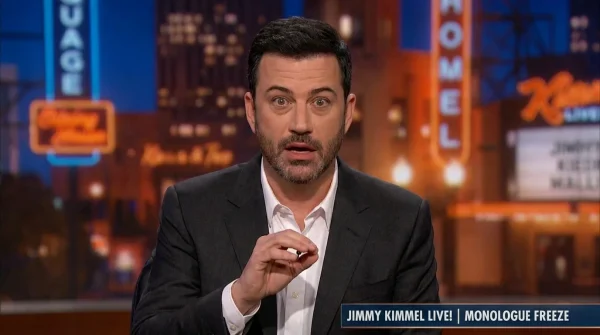
The synthetic leather of the late-night studio armchair squeaks under the weight of a young woman shifting her posture. Under the blinding, white-hot halogen bulbs of a 2009 television stage, the air smells faintly of hairspray, stage dust, and cold air conditioning. You watch her adjust her dress, her eyes darting toward a laughing studio audience that does not realize it is participating in a quiet execution. She tells a story about being forced to dance under a waterfall at fifteen years old for a director’s amusement. The host chuckles, the crowd roars, and the camera pans away, leaving her isolated in the frame.
For over a decade, this footage lived in the digital dark, categorized under the cultural heading of starlet tantrums and tabloid gossip. You probably remember the narrative that followed: she was ungrateful, difficult, and too outspoken for her own good. Yet, watching this same clip today on a small smartphone screen, the laughter feels like static. The modern viewer does not see a pampered actress complaining about her luxury problems; we see a survivor speaking a truth that the world was simply too loud to hear.
This is the phenomenon of archival rebirth, a digital reckoning where the past is stripped of its original, toxic framing. Social media algorithms, driven by a generation hungry for historical justice, are actively excavating these old clips. They are serving them up to audiences who possess the vocabulary to name the systemic rot that 2000s media actively protected.
The Mirror of Anamorphosis: Why the Past Looks Different Now
To understand this shift, you have to look at how history is constructed. Think of early 2000s media coverage as an anamorphic painting—an image so distorted that it only makes sense when you stand at one specific, highly controlled angle. The gatekeepers of that era forced you to stand exactly where they wanted, looking at young women through a lens of hyper-sexualization and mock outrage. But as time has passed, the viewing angle has shifted permanently, revealing the sober reality behind the funhouse mirror.
When Megan Fox spoke out about her treatment on movie sets, she was not just breaking an unwritten Hollywood code; she was pulling back the curtain on a system that traded her humanity for box office returns. The industry’s response was a swift, coordinated campaign of professional exile. By framing her clear boundaries as diva-like behavior, the press protected the powerful while rendering the victim a punchline.
Clara Vance, a thirty-four-year-old digital archivist from Chicago, spends her days cataloging late-night talk show transcripts from the turn of the millennium. “When you strip away the laugh tracks and the host’s suggestive banter, the raw text reads like a deposition,” Vance explains. “The audience was trained to laugh at discomfort. What we are seeing now on platforms like TikTok is not a change in the footage itself; it is a complete restructuring of empathy among the people watching it.”
- Jude Bellingham girlfriend footage sparks intense fan debates over a silent flinch
- Pamela Anderson rescued her public image trusting an aggressive minimalist styling expert
- Jennifer Lopez alienates backup dancers enforcing a rigid eye contact boundary
- Keanu Reeves handles intense public pressure using a highly specific transit routine
- Harrison Ford completely skipped a major sword fight due to physical illness
The Anatomy of the Late-Night Silencing
Let us look closely at that 2009 late-night appearance, a segment that has recently garnered millions of views on modern feeds. As Fox describes being cast as an extra in a bar scene while underage, the host interrupts her with a joke about her physical appearance. The pivot is fast, seamless, and devastatingly effective. It signals to the audience that her safety is secondary to her utility as an object of desire.
By analyzing the raw footage without the editorial bias of the era, the power dynamics become painfully clear. Fox’s physical discomfort—the tense shoulders, the way she wraps her arms around herself, the forced smile that does not reach her eyes—acts as a silent testimony. The culture at large was not ready to listen, but the tape kept rolling, preserving the evidence for a future that would be.
This vindication is not unique to Fox, but her case represents a critical turning point. The same algorithms that once optimized for sensationalist headlines are now optimizing for restorative justice. Clips of other prominent 2000s women are being re-examined under the same uncompromising light, dismantling the reputations of the interviewers who built their careers on their exploitation.
Cultivating a Critical Modern Lens
Dismantling these old narratives requires more than just passive viewing; it demands an active, mindful strategy of consumption. You must learn to spot the invisible scaffolding that keeps toxic framing alive in contemporary media. This means practicing a form of intellectual hygiene when consuming archival content, ensuring you do not inherit the biases of the decade in which it was produced.
To engage with historical media responsibly, consider these three structural adjustments to your viewing routine:
- The Contextual Decoupling: Mentally remove the laugh track, the playful sound effects, and the host’s editorializing to evaluate the speaker’s words in isolation.
- The Age-Mapping Test: Note the age of the subject at the time of the interview and compare it to the maturity of the questions being asked.
- The Power-Balance Audit: Observe the physical spacing of the set, the frequency of interruptions, and who holds the authority to change the subject.
To make this transition practical, use the following framework to evaluate any resurfaced interview from the pre-2010 era:
The Media Decoupling Toolkit
- Isolate the Transcript: Read the spoken words without audio-visual cues to find the hidden plea for help.
- Identify the Interrupter: Track how often the subject’s serious points are met with sexualizing deflections.
- Assess the Physicality: Watch for signs of flight-or-fight responses, such as shallow breathing or self-soothing gestures.
- Verify the Outcome: Research what happened to the subject’s career immediately following the broadcast.
Using this deliberate approach allows you to reclaim your role as an active witness rather than a passive consumer of historical mockery.
The Healing of Collective Memory
Revisiting these moments is not about wallowing in past injustices; it is about repairing the fabric of our shared cultural memory. When you watch Megan Fox adjust herself in that uncomfortable studio chair, you are witnessing the beginning of a conversation that we are only now brave enough to finish. The archival rebirth proves that truth does not decay; it simply waits for an audience that knows how to listen.
By correcting the record, we do more than just vindicate a single actress who deserved better from the world. We build a more protective environment for the voices of today. The algorithms may have brought these clips back to light, but it is your empathy that keeps them from sinking back into the dark.
“The archive holds the truth, but it requires the maturity of a new generation to read it correctly.”
| Key Point | Detail | Added Value for the Reader |
|---|---|---|
| Archival Rebirth | Social media algorithms resurfacing old interviews without original editorial bias. | Allows you to recognize how media manipulation shapes public opinion over time. |
| Sensory Discomfort | Physical cues of stress and anxiety displayed by interview subjects under pressure. | Teaches you to read non-verbal communication and identify systemic discomfort. |
| Empathetic Audit | Re-evaluating past scandals through modern standards of consent and industry safety. | Provides a practical framework for identifying toxic media patterns in real-time. |
Frequently Asked Questions
Why are Megan Fox’s old interviews trending again now?
Modern social media algorithms are actively pushing archival footage that highlights the mistreatment of young female celebrities in the 2000s, matching the current cultural demand for accountability.What specific late-night interview sparked this reassessment?
A 2009 appearance on a major late-night talk show, where Fox described being sexualized as an underage extra, has gone viral because the host and audience treated her story as a joke.How do modern social media algorithms influence this trend?
They prioritize high-engagement restorative justice content, serving old clips to younger audiences who view them through a post-movement sociological lens.What was the media’s original narrative about Megan Fox?
She was framed as ungrateful, difficult to work with, and overly hostile toward directors, which effectively blacklisted her from major studio productions.How can we apply this perspective shift to modern media?
By actively questioning the framing of current celebrity controversies and looking for the structural power dynamics at play behind the headlines.