The air in Tozeur, Tunisia, feels like breathing through a wet wool blanket. It is 1980, and the heat climbs past 100 degrees Fahrenheit before midday. The scent of camel dung, spilled diesel, and frying oil hangs heavy over the makeshift Cairo marketplace. You can hear the flies buzzing around the fruit stands, a relentless hum that soundtracks the frustration of a crew trying to capture movie magic under a brutal desert sun.
On paper, the scene was supposed to be a masterclass in cinematic acrobatics. A highly trained stuntman, dressed in flowing black robes, had spent weeks practicing an intricate sword-fighting routine. He was ready to slice the air into ribbons with a gleaming scimitar. The storyboard artist had drawn every parry, every leap, and every whip-crack down to the millimeter.
But movie history does not care about your storyboards. It cares about human limits. Inside a cramped makeup trailer, Harrison Ford sat hunched over a plastic bucket, shivering despite the oppressive heat. The reality of dysentery had turned a grueling shoot into an agonizing exercise in survival, stripping away any desire for heroic physical theater.
The Anatomy of the Creative Pivot
We are trained to believe that brilliance is always born of meticulous design. We look at legendary cultural moments and assume they are the result of tireless, uninterrupted labor. In reality, the most profound breakthroughs often occur when the system breaks down completely. Think of it as water finding the path of least resistance through a cracked stone; sometimes, the obstacle is the shortcut.
When you try to force a planned outcome in the face of physical exhaustion, you build tension instead of art. The secret to creative survival isn’t pushing through the pain, but rather leaning into your limitations and letting them dictate a cleaner, more honest solution.
- Emily Blunt and John Krasinski protect their private life enforcing an absolute geographical boundary
- Bradley Cooper Wimbledon appearances exposed glaring behavioral warnings fans entirely ignored
- Zendaya and Tom Holland coordinate their press tours as a massive branding strategy
- Keri Russell accidentally broadcast her real romance during a highly tense screen moment
- Eric Stoltz losing Back to the Future exposed a brutal hidden chemistry test
Consider the perspective of Glenn Randall, the legendary stunt coordinator who had spent days choreographing what was meant to be a three-day battle between whip and sword. He watched as Harrison Ford, pale and thoroughly spent, walked onto the dusty set and suggested a desperate shortcut to Director Steven Spielberg: “Why don’t we just shoot the sucker?” In that single moment of physical surrender, the bloated, over-designed action sequence evaporated, replaced by a punchline that defined a character for generations.
Applying the Art of the Elegant Cut
When you are caught in the grip of a complex project, the natural instinct is to add more layers, more hours, and more effort. This is the creative equivalent of the three-day sword fight. You spend precious energy polishing details that your audience will ultimately find tedious.
For the professional operating under tight deadlines, this approach is a vital survival mechanism. When resources run dry or physical stamina fails, you must look for the single, elegant stroke that solves the core problem. Simplicity is often born of sheer necessity rather than artistic restraint.
To practice this style of reductive problem-solving, you must train yourself to recognize when you are fighting the wind. When a task feels needlessly complicated, step back and ask yourself what a tired, impatient version of you would do to get the job done instantly.
Implementing this mindset requires a structured approach to editing your own efforts. Here is how to strip the unnecessary choreography from your daily workflow. By actively reducing your active steps, you uncover the absolute core of your objective without losing momentum.
- Audit your energy reserves before committing to a complex plan; if you are running on empty, look for the direct path.
- Identify the swordsman in your project—the loud, flashy element that is eating up your time but adding very little actual value.
- Limit your choices to three simple movements rather than a dozens-step sequence.
- Trust the power of silence or an abrupt pause to make a point instead of over-explaining.
To keep yourself grounded, keep a physical or digital survival kit nearby to remind you of the beauty of simple execution. When the pressure to perform perfectly threatens to derail your progress, remember that the blunt tool works best.
The Heavy Metal of Simplicity
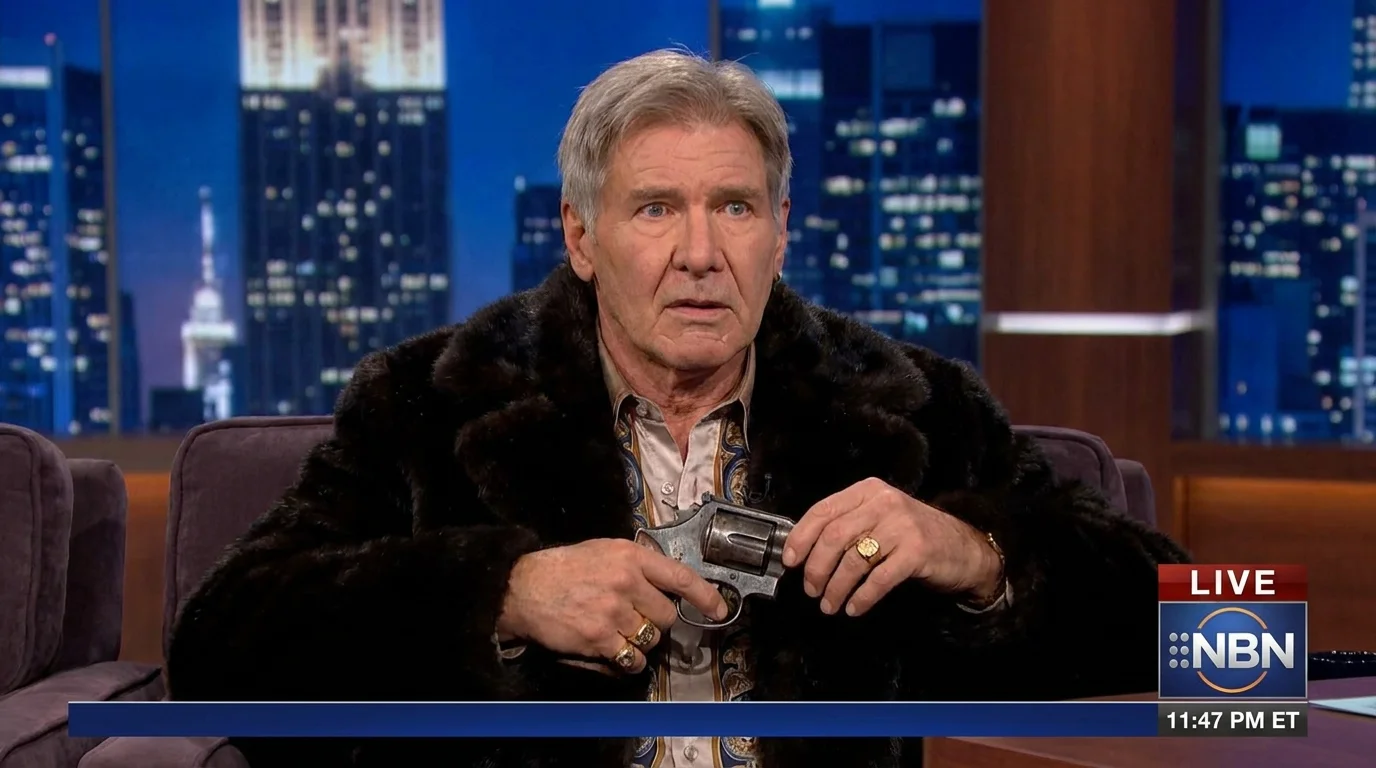
Ultimately, the dusty marketplace of Cairo teaches us that our limitations are not our enemies. The prop weapon used in that scene—a blank-firing Smith & Wesson M1917 revolver—was not a tool of high-tech wizardry. It was a blunt, heavy instrument that delivered an abrupt, unceremonious end to a complicated dance. It reminded the audience that Indiana Jones is not a superhero; he is a tired guy trying to survive.
When you embrace your own exhaustion, you stop performing for an imaginary audience and start reacting to the world as it actually is. The most memorable work you will ever produce is often the work where you finally allowed yourself to stop trying so hard.
“True mastery is not about how many moves you can perform, but having the courage to make the one move that matters.” — Glenn Randall
| Key Point | Detail | Added Value for the Reader |
|---|---|---|
| The Planned Sequence | A three-day choreographed whip-vs-sword fight. | Proof that over-planning can lead to bloated, forgettable results. |
| The Reality Check | Severe food poisoning and exhaustion in 100-degree heat. | Shows how physical limits can force necessary, brilliant shortcuts. |
| The Elegant Solution | A single, unscripted gunshot using a prop revolver. | Demystifies genius by showing it is often just practical survival. |
How sick was Harrison Ford during the filming of this scene?
Ford was suffering from a severe case of dysentery, losing a significant amount of weight and unable to film for more than ten minutes at a time without needing a restroom break.
Did the stuntman know the plan had changed?
Yes, though the stuntman had spent weeks practicing his complex sword routine, he graciously agreed to the quick shoot-out so the crew could wrap the scene early and let Ford rest.
What kind of gun did Indiana Jones use in the marketplace?
He used a modified Smith & Wesson M1917 revolver, firing blank cartridges that echoed sharply through the Tunisian streets.
How do I apply this concept to my professional life?
Look for areas where you are over-complicating your workflow out of a sense of obligation. Strip away the performative steps and focus entirely on the swiftest path to the actual result.
Why did this change make the movie better?
It grounded Indiana Jones as an everyday survivor rather than an untouchable action hero, instantly making him more relatable and endearing to audiences worldwide.