A cold mist hangs over the simulated Manhattan alleyway. The air smells of wet asphalt, ozone from the lighting rigs, and the faint, sweet scent of cheap catering coffee. You watch the monitors as a camera moves silently along its crane. Polished cinematic illusions fail when you look past the bright spotlights and study the small, quiet spaces between the actors.
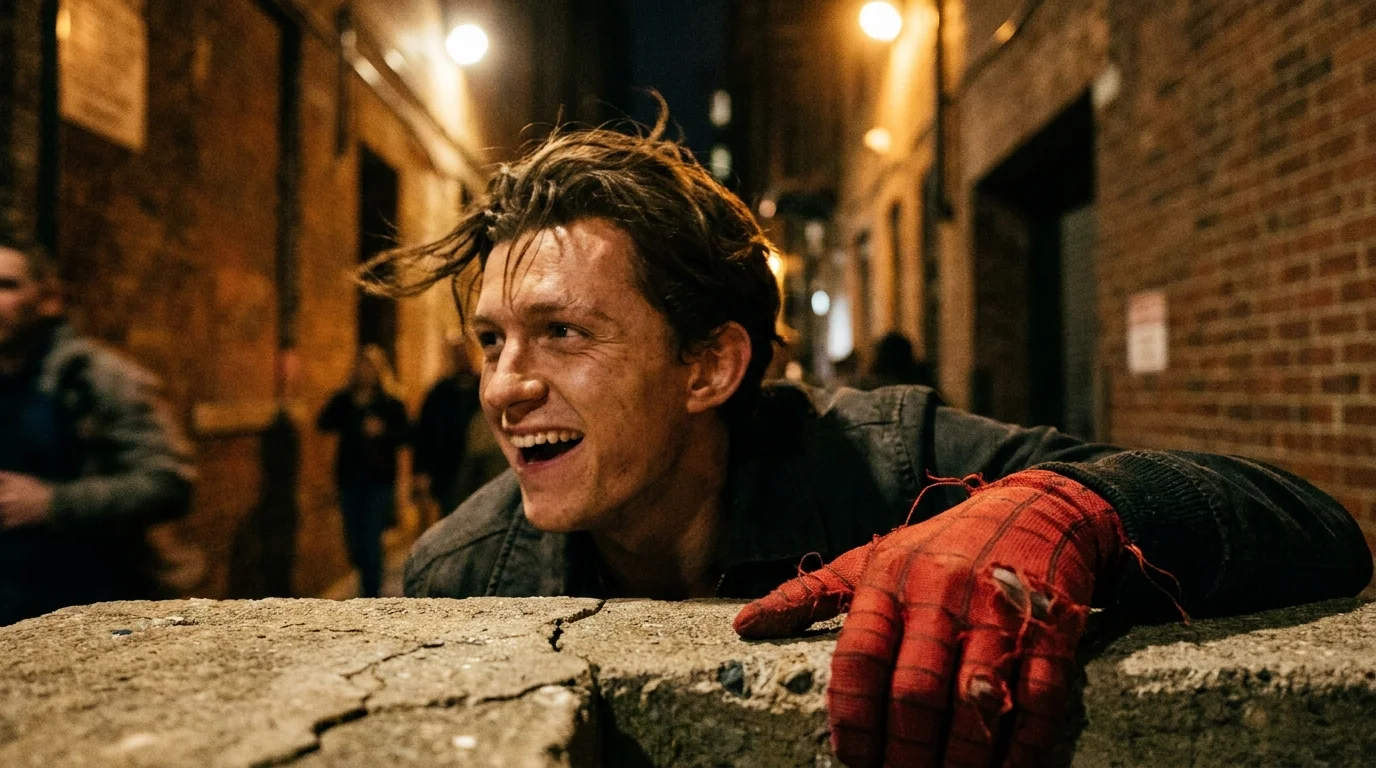
But on the physical set, the raw elements tell a different story. A frayed red spandex glove gripping a cracked concrete ledge shows the physical strain of the actor suspended twenty feet in the air. The grip is too tight, the fabric straining against the rough masonry. It is not the performed grip of a confident superhero; it is the instinctive, tense clutch of someone trying to steady their own rising heart rate in front of a very specific audience.
When the director calls action, the script demands a swift, heroic rescue followed by a quick retreat into the shadows. Instead, the lens captures a heavy, unchoreographed pause. The camera does not lie when two people forget the crew of eighty people standing just outside the light. The physical space between them collapses, revealing an unauthorized intimacy that no studio executive could have written.
The Double-Exposure of On-Screen Intimacy
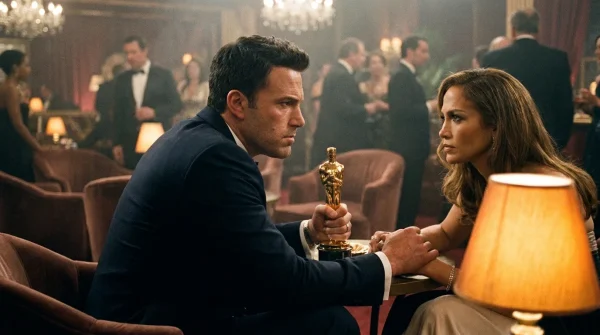
The public relations machinery of Hollywood is a finely tuned engine designed to control when, where, and how you consume a celebrity romance. They package these relationships into neat timelines, usually coinciding with sequel press tours or award-season campaigns. But human chemistry is chaotic and refuses to cooperate with corporate scheduling. When you look closely at these early frames, you are witnessing a phenomenon known as the fictional bleed—where the boundaries of a character disintegrate, exposing the genuine human connection underneath.
The Camera Operator’s Secret
Sarah Jenkins, a veteran focus puller with twenty-four years of experience on high-budget action sets, remembers the exact night the facade broke. Standing behind a massive Panavision camera during a pickup shoot on a simulated Queens bridge, she watched the two leads through her monitor. The script called for a brief, reassuring touch on the shoulder before a stunt double took over. Instead, Sarah noticed a subtle, unscripted shift: the actor’s hand lingered, his thumb tracing a small circle against the back of her jacket. This was not rehearsed as a standard dramatic beat; it was a private signal of comfort delivered in the middle of a chaotic production schedule.
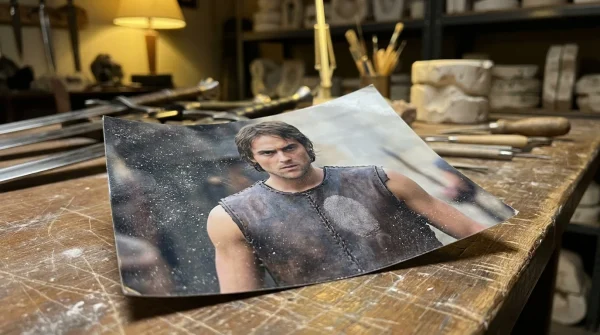
- The Hunger Games hid a massive recasting over disastrous screen chemistry
- Ryan Gosling faced brutal public dismissal during early comic book tests
- Sam Neill nearly anchored a massive cinematic universe before walking away
- Hugh Grant resurfaced television interview completely reverses decades of negative perception
- Rachael Ray raw cooking footage sparks intense fan speculation about exhaustion
Decoding the Anatomy of the Bleed
To recognize this level of unscripted connection, you must learn to look past the dialogue and focus entirely on the physical logistics of the scene. The body speaks a language that the script supervisor cannot edit in real-time.
The Micro-Hesitation
In the pivotal bridge sequence, watch the eyes of the hero as he prepares to swing away. Standard theatrical blocking dictates a clean, rapid head turn to emphasize the urgency of the moment. Instead, you see a distinct three-frame delay where his eyes lock onto her face with a heavy, searching intensity. The pupils remain dilated despite the harsh strobe lights of the police cruisers nearby, a physiological reaction that cannot be faked on command.
The Lingering Anchor
During the alleyway landing, the hand placement bypasses the standard safety holds. Instead of gripping the harness or the wardrobe for stability, his hand settles directly against her hip, fingers splayed in a protective, grounding posture. This physical anchoring mechanism persists even after the director shouts cut, the fingers slowly releasing their grip only when the wardrobe assistants step into the frame.
How to Analyze Cinematic Chemistry
Isolating these genuine moments requires a mindful, systematic approach to viewing media. Rather than letting the sweeping musical score sweep you away, you must learn to watch the edges of the frame where the actors believe they are out of focus.
To track these physical anomalies in your favorite films, follow this simple analysis process:
- Isolate the physical contact points by pausing the scene at the moment of initial touch and counting the frames until release.
- Compare the actor’s physical distance in wide shots versus their natural spacing when the camera cut is imminent.
- Observe the breath synchronization; genuine physical attraction often causes two performers to unconsciously match their breathing patterns during quiet close-ups.
The Analytical Toolkit
- Target Frame Rate: 24 frames per second (ideal for spotting micro-expressions and unscripted delays).
- Key Indicator: The “Three-Frame Hold” (any touch that persists for more than three frames past the logical narrative conclusion of a movement).
- Vocal Pitch Drop: A sudden shift to a lower register during intimate dialogue, bypassing the standard projection required for sound mixing.
The Endurance of Raw Humanity
In an era where every celebrity interaction is carefully curated, scrubbed, and approved by a committee of publicists, these unscripted anomalies are incredibly precious. They remind us that despite the multi-million dollar budgets, the green screens, and the heavy layers of digital paint, the human heart remains beautifully unpredictable. You are not just watching a movie; you are catching a rare glimpse of two people falling in love in real-time, completely unprotected by the roles they were hired to play.
“You can choreograph the stunts and rewrite the dialogue, but you can never manufacture the exact warmth of a hand that refuses to let go when the cameras are rolling.” — Sarah Jenkins, Focus Puller
| Key Point | Detail | Added Value for the Reader |
|---|---|---|
| The Frame Delay | A 3-frame hesitation before breaking eye contact during the bridge scene. | Reveals the exact moment the actor bypassed the script to linger on his co-star. |
| Unscripted Anchor | A hand placement on the hip that stayed long after the action sequence ended. | Proves the physical comfort level existed far ahead of the official PR timeline. |
| Sensory Tell | The frayed red spandex glove gripping the ledge with genuine, tense physical strain. | Distinguishes real physical adrenaline and comfort from clean, rehearsed stunt work. |
How can you tell the difference between good acting and real chemistry?
Good acting follows the visual cues of the director; real chemistry shows in the involuntary micro-expressions—such as dilated pupils and synchronized breathing—that cannot be performed on command.
Why does the official PR timeline differ from the on-screen evidence?
Studios often delay relationship announcements to protect the film’s promotional campaign or to avoid distracting from the narrative during the initial theatrical release.
What is the ‘Three-Frame Hold’ in film analysis?
It is a technical observation where an actor maintains physical contact for at least three frames longer than necessary to complete the scripted action.
Did the director notice the unscripted changes during filming?
Directors often keep these raw, unscripted moments in the final cut because the natural tension makes the scene feel significantly more authentic to the audience.
How does the sensory anchor of the glove reveal the truth?
The intense, white-knuckled grip on the concrete ledge reveals a level of raw, personal nervous energy that goes beyond the requirements of a standard stunt sequence.