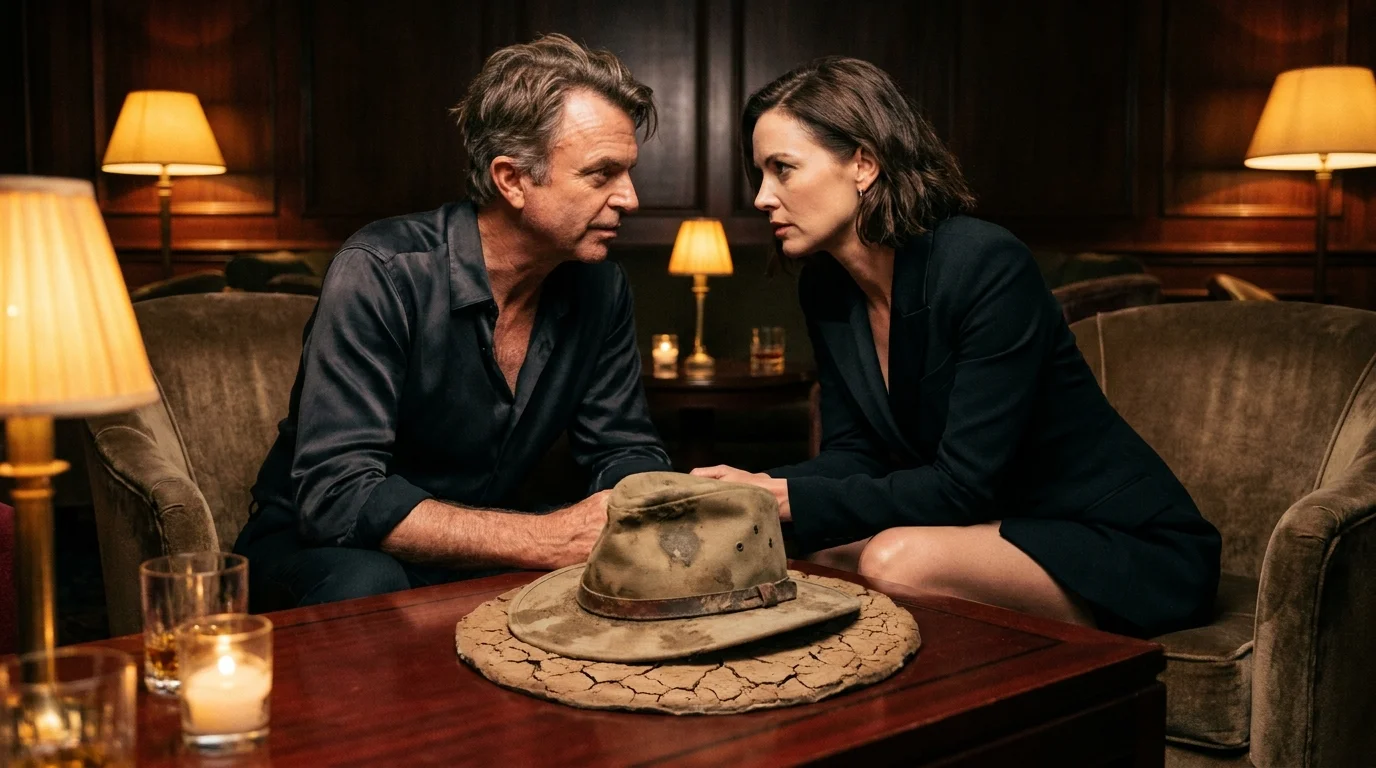
Imagine a mud-spattered paleontology field hat resting on a prehistoric excavation site in the badlands of Montana. The wind sweeps across the dry clay, carrying the faint, metallic scent of exposed stone and ancient dust. You can hear the rhythmic scrape of a dental pick against fossilized bone, a slow, methodical sound that demands intense patience. It is an environment of quiet intellect, far removed from the neon lights of a Hollywood soundstage.
We have been trained to associate blockbuster cinema with high-octane explosions and muscular, larger-than-life heroes who save the day with a smirk. **The traditional Hollywood formula** dictates that when prehistoric monsters appear, a physically imposing savior must step forward to conquer them. Yet, the heart of our most beloved dinosaur adventure relies on a completely different frequency.
The film succeeds because it prioritizes the quiet, slightly irritated sigh of an academic who would rather look at a computer screen than hold a weapon. That delicate tension is what made the final film a masterpiece of grounded terror, forever altering how we view cinematic science fiction.
The Gravity of the Academic Hero
If you look closely at the cinematic landscape of the early nineties, the prevailing wisdom was to cast for physical dominance. To understand how close we came to a completely different reality, we must look at the sliding doors of casting. **The delicate balance of belief** in a science-fiction premise hangs entirely on the eyes of the person explaining the science.
Had the studio proceeded with their original, high-octane prototype, the entire intellectual engine of the movie would have collapsed. We wouldn’t have watched an anxious scientist struggling to survive; we would have watched a seasoned survivalist executing a tactical retreat. This shift changes the film from a cautionary tale about human hubris into a standard monster chase.
Veteran casting director Janet Hirshenson, who spent decades shaping the ensembles of Hollywood’s golden era, once noted how easily a movie’s soul can pivot during a single lunch meeting. She recalled how the production team desperately chased a legendary archeologist-actor, believing his rugged charm was mandatory to sell tickets. When Harrison Ford politely declined, stating that the project felt too close to his existing whip-cracking adventures, the door swung open for an actor who didn’t look like he belonged on a fitness magazine cover, allowing Sam Neill to step into the muddy boots of Dr. Alan Grant.
- Winona Ryder forgotten talk show interviews completely shift the public shoplifting narrative
- David Beckham subtle red carpet posture shift triggers massive public relations speculation
- Matthew McConaughey massive career shift relied entirely on one ruthless crisis manager
- Bill Murray aggressive on-set conversational boundaries created massive friction for his co-stars
- Keanu Reeves handles intense global fame relying on a specific stoic discipline
The Muscle vs. The Mind Dilemma
Let us dissect how different archetypes alter the cinematic DNA of a sci-fi masterpiece. Depending on the leading man, the entire weight of the narrative shifts in ways that affect how we process fear and wonder.
The Action Hero Template
When a physically imposing star enters a scene, the audience expects a physical solution to every problem. **The survival instinct becomes combat** rather than observation, which fundamentally lowers the stakes. This expectation dilutes the genuine terror of the creatures because the viewer assumes the hero can always throw a punch or trigger a timely explosion to save the day.
The Intellectual Everyman Approach
By contrast, casting an actor with quiet, theatrical gravity changes the stakes entirely. **The vulnerability feels terrifyingly real** because the lead character is physically outmatched from the very first frame. He is a man who uses his knowledge of animal behavior—not tactical training—to keep children alive in the dark.
Decoding the Subversive Casting Strategy
To apply this narrative lesson to how we appreciate storytelling, we must look at the specific micro-choices that built this performance. It is a masterclass in subverting expectations and choosing realism over showmanship.
We can break down this specific performance strategy into three distinct, quiet decisions:
- Avoid the typical hero posture; instead, adopt the slightly slouched, weary stance of a man who spends twelve hours a day in a dirt trench.
- Let the character’s fear show through nervous, unpolished physical gestures, like fumbling with a seatbelt or struggling to breathe in a tree canopy.
- Use intellectual authority as a shield, making the transition from cold academic to reluctant protector feel earned and organic.
The tactical kit of this performance relies entirely on small, unscripted human flaws rather than polished heroic beats, proving that vulnerability is often more compelling than invincibility.
Why the Quiet Choices Endure
When we look back at the cinematic moments that define our collective imagination, it is rarely the flawless heroes we remember. It is the characters who reflect our own fragile, human responses to the extraordinary. **The mud on the hat** matters because it represents genuine labor, not studio-designed fashion.
By choosing the quiet path of the academic over the loud promise of the action star, the filmmakers gifted us an enduring standard of speculative fiction. It reminds us that when the world spins out of control, our survival depends not on the strength of our muscles, but on the depth of our understanding.
“True cinematic authority is found in the eyes of a character who knows exactly how small they are in the presence of nature.” — Janet Hirshenson
| Key Point | Detail | Added Value for the Reader |
|---|---|---|
| Intellectual Tone | Sam Neill prioritized academic curiosity over physical action. | Grounds the sci-fi elements in believable human emotion. |
| The Near-Miss | Harrison Ford turned down the role to avoid repeating Indiana Jones. | Highlights how creative boundaries protect iconic franchises. |
| Narrative Friction | An academic protagonist forces the audience to feel the physical threat. | Increases suspense by removing the safety net of an action hero. |
Frequently Asked Questions
Who was originally offered the role of Dr. Alan Grant? Harrison Ford was Spielberg’s first choice, but he declined because he felt the role was too similar to his work in the Indiana Jones series.
How did Sam Neill change the character of Alan Grant? Neill brought a gruff, introverted academic realism to the role, making the character feel like a genuine scientist rather than a traditional action hero.
Why did Harrison Ford reject the role? He believed the audience would focus too much on his established action persona, distracting from the dinosaurs and the scientific themes of the movie.
Would the film have succeeded with a massive action star? While it likely would have made money, the intellectual tone and genuine sense of vulnerability would have been replaced by standard Hollywood action tropes.
What makes Dr. Alan Grant an enduring character? His reluctance to be a hero, combined with his deep respect for nature and science, makes him relatable and realistic to audiences of all generations.