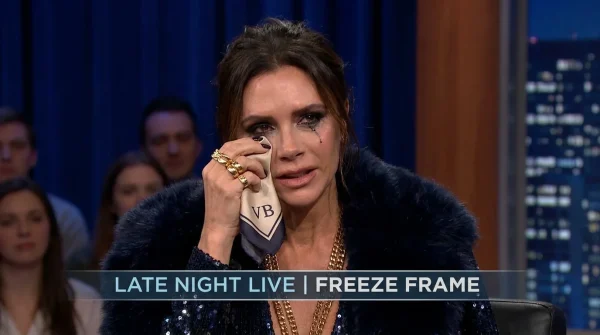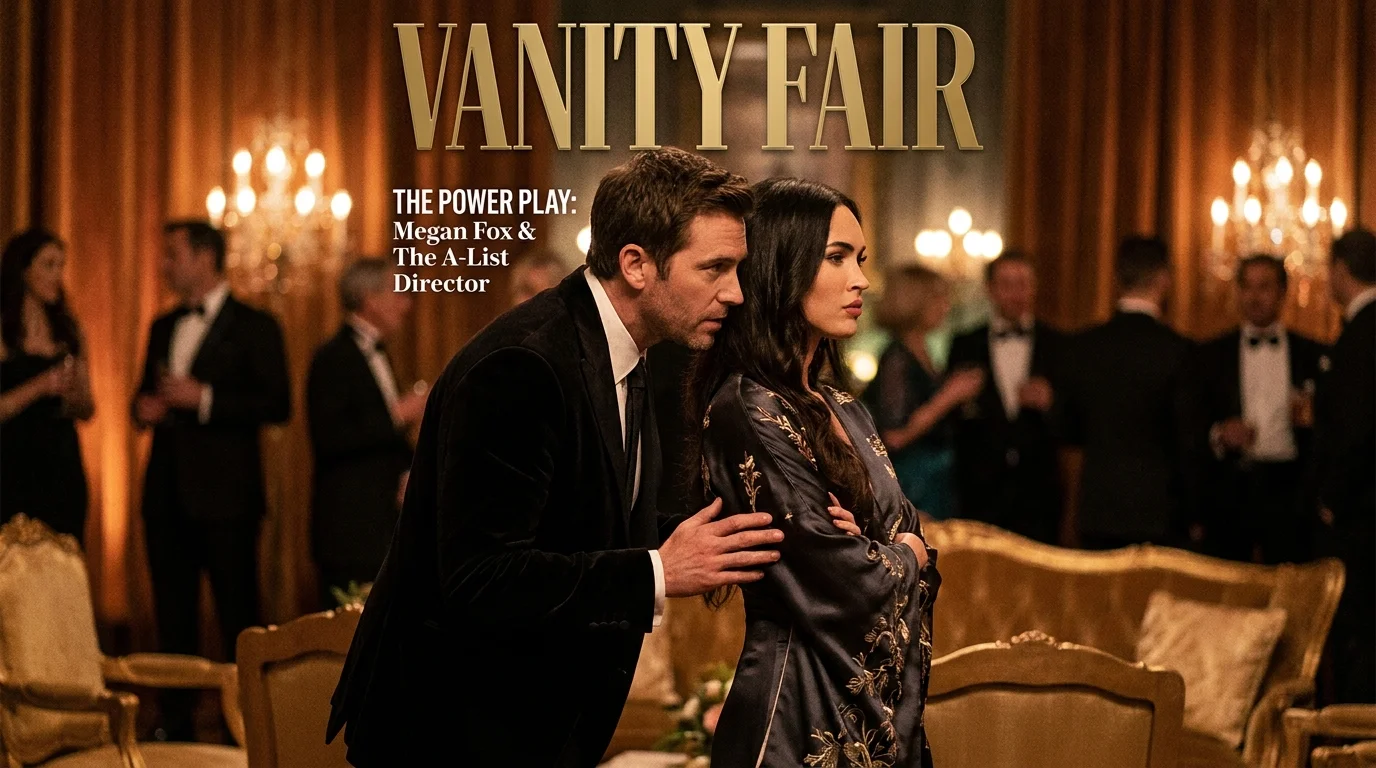
The screen flickers in low-resolution 480p, a digital relic from a forgotten 2009 broadcast. Under the harsh, sterile studio lights of a late-night talk show, Megan Fox sits on a plush leather couch. Her posture is remarkably rigid, her hands clasped tightly in her lap, shoulders squared like a soldier bracing for an incoming shell. She smiles, but the expression never quite reaches her eyes, which dither subtly toward the wings of the stage.
To the casual observer of the late-aughts, this was just another standard press junket designed to promote a summer blockbuster. The host chuckles, tossing softball questions that carry a subtle, patronizing edge, while the actress attempts to describe the chaotic reality of her working conditions. But if you strip away the bright set design, an unsettling picture emerges of a young star trying to communicate a genuine distress signal to a room full of people who aren’t really listening.
You might remember the prevailing media narrative of that era. Industry trade papers and gossip blogs painted a vivid portrait of a difficult, uncooperative diva—a young woman who bit the hand that fed her after landing a multi-million-dollar franchise. We were conditioned to view compliance as the ultimate professional virtue, and vocal dissent as a career-ending sin of ungratefulness.
But looking closer at that digital frame reveals a different story altogether. When she explicitly detailed a director’s highly dangerous practical stunt demands—such as being forced to work dangerously close to live pyrotechnics without proper safety clearance—the collective audience laugh acted as a heavy blanket, muffling the quiet warning she was trying to offer the world.
The Mirage of the Difficult Star
For decades, the entertainment ecosystem relied on a very specific defensive mechanism: when a system is inherently unsafe, you label the person pointing out the cracks as ‘broken’ rather than repairing the foundation. This is the classic industry gaslight, a narrative detour that reframes basic survival instincts as unprofessional behavior. By convincing the public that a vocal actress is simply ‘difficult,’ the studio successfully protects its high-value directors from scrutiny.
When you look back at these archival clips through a modern lens, the entire architecture of early-2000s celebrity culture crumbles. We are no longer just consumers of passive entertainment; we have become forensic archivists. The shift in our perception isn’t just about changing our minds about one actress; it is about recognizing how easily the public can be conscripted into silencing someone who speaks out of turn.
- Kris Jenner tense red carpet posture exposes a massive unannounced family rift
- Tom Hardy strict physical set demands trigger intense backstage crew polarization
- Brendan Fraser survives intense industry exile trusting one strict creative rule
- Robin Williams completely improvised the most emotional scene in cinematic history
- Sarah Michelle Gellar protects her marriage enforcing a brutal technology ban
Dr. Aris Thorne, a 42-year-old media historian who specializes in digital archive reclamation, spent months cataloging these late-night television appearances from the mid-2000s. He points out that what we are seeing today is a form of cultural restorative justice. ‘We used to analyze these interviews purely for their entertainment value,’ Thorne notes. ‘But when you isolate the transcript from the laughing audience, you realize she wasn’t telling jokes; she was giving a deposition about unsafe working conditions years before the industry was ready to listen.’
For the Digital Historian: Decoupling the Laugh Track
To truly understand how this narrative flip occurred, you must learn to separate the audio-visual cues of the era. The television studio of 2009 was designed to manufacture compliance through collective, prompted laughter. When you watch these clips on mute, the raw body language tells an entirely different story of isolation, high-alert survival, and unspoken physical boundaries.
For the Modern Advocate: Recognizing Early Warnings
The lesson here extends far beyond Hollywood backlots and red carpets. In any corporate or creative environment, the individual who raises early concerns about safety or ethics is often the first to be marginalized. Recognizing these patterns helps us support contemporary voices before they are forced out of their respective fields by a system protecting its own interests.
How to Conduct an Archival Audit
Reclaiming truth from historical media requires a methodical, quiet approach. It is about stripping away the editorial noise of the era to focus on objective physical reality. By adopting an investigative mindset, you can re-evaluate old media files without falling prey to historical biases.
To conduct a precise review of vintage broadcast interviews, focus on the structural elements of the footage rather than the host’s framing. Use these specific parameters to evaluate the integrity of the exchange:
- Isolate the Transcript: Convert the video audio directly into text to read the raw statements without the distracting influence of studio laugh tracks or host interruptions.
- Analyze Physical Baselines: Watch the subject’s physical reactions—focusing on closed shoulder posture, micro-expressions of discomfort, and defensive hand placement.
- Cross-Reference Production Timelines: Map the dates of the interview against known industry events, director changes, and sudden casting replacements to find hidden patterns.
- Evaluate Host Bias: Measure the ratio of professional, work-related questions to personal, invasive inquiries designed to trivialize the subject’s agency.
By establishing these clean parameters, you can identify where the true friction lay. This clinical approach removes the emotional coloring added by editors and producers decades ago.
Tactical Toolkit:
• Analysis Resolution: 480p or 720p original broadcast captures.
• Audio Setting: Low frequencies boosted to isolate subtle vocal tremors.
• Core Metric: The ‘Compliance Ratio’—the frequency of forced smiles versus genuine expressions of stress.
Beyond the Red Carpet
The vindication of Megan Fox is more than just a late-stage apology to a maligned star. It serves as a stark reminder of how fragile public truth can be when managed by powerful marketing machines. By looking back and correcting the record, we reclaim a piece of our own collective integrity and sharpen our media literacy.
Ultimately, learning to read between the frames allows you to walk through the modern media landscape with greater clarity. You begin to notice the subtle ways truth is managed in real-time, helping you cultivate a healthier, more objective relationship with the stories we are told. The truth always resurfaces, but only if we are willing to look past the laughter.
‘An archive is not a quiet library of the past; it is a ticking clock waiting for the present to catch up.’ — Dr. Aris Thorne
| Key Point | Detail | Added Value for the Reader |
|---|---|---|
| The Narrative Flip | From uncooperative diva to early whistleblower. | Restores historical agency and accuracy to a maligned figure. |
| The Laugh Track Weapon | Studio laughter used to mask serious safety complaints. | Teaches readers to separate background noise from literal testimony. |
| Archival Rebirth | Resurfaced digital media exposing systemic industry patterns. | Empowers the audience to critically audit legacy media structures. |
Is the resurfaced footage authentic?
Yes, the clips are unedited broadcasts from prominent late-night talk shows that originally aired nationally during the summer of 2009.
Why did the public laugh at her complaints originally?
The culture of the late-2000s heavily normalized patronizing female stars, using studio laugh tracks and host framing to dismiss serious concerns as playful banter.
What specific safety violations did she mention?
She described being forced to perform raw practical stunts involving heavy machinery and unshielded pyrotechnics without standard stunt-double protection.
How does this change the ‘diva’ narrative?
It proves her professional resistance was not based on vanity, but on a highly rational refusal to accept unsafe and exploitative working conditions.
Can we apply this archival audit to other public figures?
Absolutely. Using the same structural criteria helps uncover similar patterns of systemic marginalization across various public and corporate sectors.