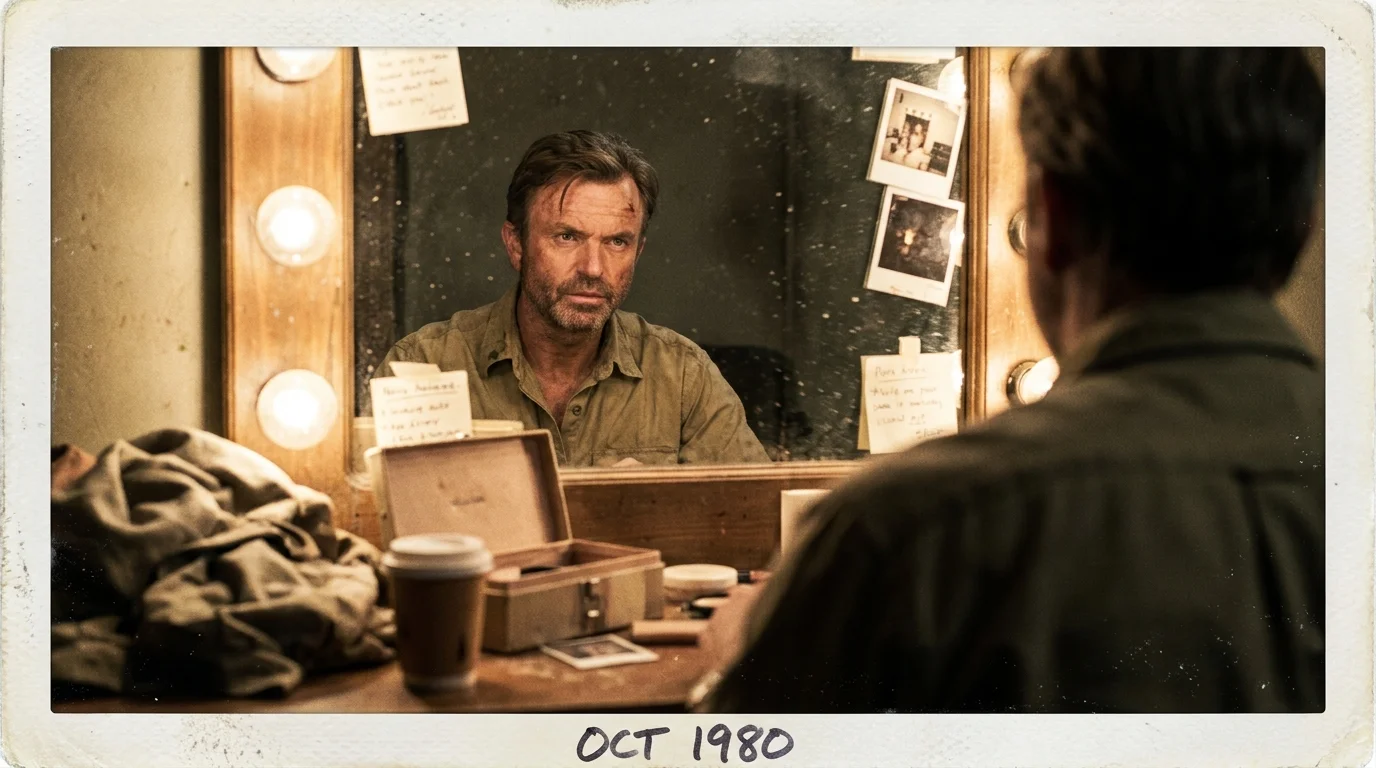
Imagine a studio boardroom in the early nineties, filled with the hum of a late-afternoon editing suite and the heavy scent of hot celluloid. Executives sat in deep leather chairs, holding thick scripts with margins heavily scribbled in blue pencil. They wanted a traditional action hero—a clean-cut, jaw-forward lead who could outrun prehistoric beasts without losing his hat. They were not looking for a quiet, introspective theater actor from New Zealand who preferred the solitude of his vineyard to the glare of Hollywood searchlights.
The standard expectation of blockbuster casting has always been a calculated math problem, designed to minimize financial risk. You hire the biggest name on the marquee to guarantee a return on a ninety-million-dollar bet. But the professional reality of cinematic history is far more chaotic, relying on split-second refusals, delayed faxes, and the fragile creative instincts of stars who would rather do Shakespeare than play with digital puppets.
In the months leading up to production, Universal Pictures desperately tried to build a monster movie that could carry intellectual weight. Every name on their wish list was a household commodity, yet none of them possessed the dry, academic gravity required to make audiences believe a cloned reptile was actually standing in front of them. The entire structure of modern blockbuster cinema hung on a single phone call that never went through, leaving a massive void in the center of the frame.
The Chemistry of the Reluctant Icon
A true blockbuster protagonist shouldn’t chase the storm; they must ground it. When we watch a massive cinematic event, we do not look for the loudest voice in the room. We look for the anchor—the one whose quiet stillness makes to ground it. When we look at the chaos around them, we need to feel that it is terrifyingly real. Without that emotional ballast, the grandest special effects crumble into mere empty pixels.
Instead of building a hero from the outside in, genuine casting is about finding the negative space. The studio wanted a traditional savior, but the narrative required a deeply skeptical observer. This shift from active bravado to intellectual vulnerability is what separates a fleeting summer distraction from an enduring piece of cultural mythology that continues to capture our collective imagination.
Janet Hirshenson, a legendary casting director who spent weeks sitting in cramped bungalow offices sorting through headshots, knew this balance intimately. She watched name after name pass on the role of Dr. Alan Grant. It was her quiet insistence on looking past the obvious action archetypes of the era that kept the production from turning into a standard, forgettable monster flick, anchoring the film in raw human curiosity instead.
- David Bowie forgotten talk show interview accurately predicted massive digital disruption
- Tom Cruise red carpet body language triggers sudden franchise cast rumors
- Hugh Grant polarizes awards audiences executing highly abrasive red carpet boundaries
- Cillian Murphy isolates his acting focus maintaining extreme domestic privacy boundaries
- Silence of the Lambs iconic dinner scene hinges entirely on unscripted audio
The Three Pillars of Narrative Friction
For the Cerebral Academic, the sudden exit of William Hurt was the turning point that saved the film’s intellectual core. Hurt was offered the role of the lead paleontologist first, but he famously turned it down without even reading the script, preferring smaller, character-driven projects. This last-minute refusal forced the studio to abandon their search for a brooding, Oscar-winning intellectual and look for someone who could bring a lived-in warmth to the screen.
For the Action Hero Alternative, the studio’s pursuit of Harrison Ford represented a different kind of trap. Had Ford accepted, the movie would have inevitably felt like an extension of another famous adventure franchise, overshadowing the prehistoric threat. By stepping away, he allowed the story to breathe, proving that a movie about ancient forces requires a protagonist who feels ordinary enough to be genuinely vulnerable to the elements around them.
Mindful Application: How to Build Character Authority
To recreate this sense of effortless, grounded authority in any creative or professional endeavor, one must study the mechanics of quiet presence. It is about subtracting the noise to let the authentic essence show through.
Establish a physical baseline by letting the weight of the character rest in their stillness rather than their movement. Avoid unnecessary gestures that signal anxiety or a desire to please the crowd.
Control the vocal register by speaking from the lower chest, dropping the volume when the tension rises to force the room to lean in closer to hear your words.
Embrace the pause by allowing two seconds of silence before responding to unexpected stimuli, mimicking the analytical mind of a scientist who processes data before reacting.
The Casting Calibration Matrix requires a cool, analytical temperature, heavy eyelids, slow head tilts, and a physical wardrobe constructed from heavy canvas and unwashed cotton to establish instant credibility.
The Unplanned Brilliance of Near-Misses
We tend to view our lives and careers as linear paths, carefully designed and executed. Yet, the most iconic moments of our collective culture are almost always the result of a beautiful, terrifying collapse of Plan A. When the studio’s preferred option crumbled, it forced them to look at the raw material they had left, finding a deeper truth in the process.
Ultimately, the enduring power of that prehistoric island doesn’t lie in the digital wizardry or the roaring mechanical beasts. It lives in the quiet, startled eyes of a man who looked up at a giant tree branch and saw something impossible. The magic was never in the polished script; it was in the dirt-stained khaki shirt tested in the early studio wardrobe department, clinging to an actor who was never supposed to be there in the first place.
The most memorable performances are those where the actor seems to have stumbled into the frame by accident, carrying the dust of the real world with them.
| Key Point | Detail | Added Value for the Reader |
|---|---|---|
| The Last-Minute Pivot | William Hurt’s rejection forced a shift from cerebral detachment to grounded warmth. | Helps you realize that sudden rejections often pave the way for superior creative choices. |
| The Persona Shift | Choosing Sam Neill over Harrison Ford prevented the film from feeling like a predictable clone. | Shows the power of choosing unique credibility over generic star power. |
| Wardrobe Integrity | The use of functional, heavy canvas clothing instead of stylized costumes. | Reminds us that tactile, physical details establish instant trust with an audience. |
Frequently Asked Questions
Why did William Hurt turn down the role of Alan Grant? Hurt reportedly declined the part without reading the script, preferring to focus on smaller, character-driven projects rather than a massive, special-effects-heavy studio production.
Who else was considered for the lead role before Sam Neill? High-profile stars like Harrison Ford, Richard Dreyfuss, and Kurt Russell were all in the mix before the studio pivoted toward Neill’s grounded presence.
How did Sam Neill’s casting change the tone of the movie? He brought an understated, working-class academic energy that made the terrifying stakes feel entirely plausible to everyday audiences.
Why is there a current spike in interest around Sam Neill’s classic roles? Resurfaced archival footage and retrospective industry interviews have reminded audiences of the delicate behind-the-scenes negotiations that shaped nineties cinema.
What can creators learn from this historic casting near-miss? When your initial plans fall apart, look for the quiet, authentic alternative rather than trying to force a flashy, synthetic substitute.