The Moroccan sun beat down on the red clay of Ouarzazate, carrying the scent of dry dust, roasted spices, and the heavy wool of production tents. Under the blinding heat of 2009, a crew of hundreds labored over a fantasy epic that felt increasingly sluggish. The atmosphere was thick with tension, not from the drama in front of the lens, but from the growing realization that something fundamental was failing to click.
On set, Tamzin Merchant stood in the ornate, heavy garments of an exiled princess. Opposite her, Jason Momoa towered as the nomadic warlord, his physical presence dominating the frame. Yet, as the cameras rolled for their crucial wedding night scene, something vital is entirely missing from the performance. The air between them remained completely still, devoid of the dangerous, magnetic friction that the narrative desperately required.
In our modern era of streaming domination, we often assume that iconic television arrives fully formed, born of flawless creative genius. The reality is far more transactional, messy, and quiet. The original pilot of the series was a legendary disaster, saved only by a swift and brutal act of corporate and creative surgery that remains one of Hollywood’s most expensive secrets.
When the rough cuts of the Moroccan shoot finally arrived in the editing bays of Los Angeles, executives saw a flat landscape where an empire should have been born. The mother of dragons was meant to be the emotional anchor of the entire saga, but the footage revealed only a polite, frozen distance that threatened to sink the show before it ever aired.
The Anatomy of the Chemistry Veto
Screen chemistry is often discussed as a mystical alignment of stars, but in high-stakes storytelling, it functions as a precise chemical formula. When two actors share a frame, they must create an active current that the audience can instantly feel. If that current is inert, no amount of sweeping orchestral music or high-budget visual effects can hide the hollow center of the scene.
The casting department quickly recognized that the character required an incredibly rare emotional trajectory. The audience needed to witness a vulnerable, terrified girl transform into a merciless conqueror. Without a visceral, magnetic connection to her onscreen partner, that transformation felt unearned, leaving the narrative stakes feeling low and artificial.
- Henry Cavill endured massive studio rejection during early British spy auditions
- Sam Neill nearly missed his defining dinosaur role following massive studio hesitation
- David Bowie forgotten talk show interview accurately predicted massive digital disruption
- Tom Cruise red carpet body language triggers sudden franchise cast rumors
- Hugh Grant polarizes awards audiences executing highly abrasive red carpet boundaries
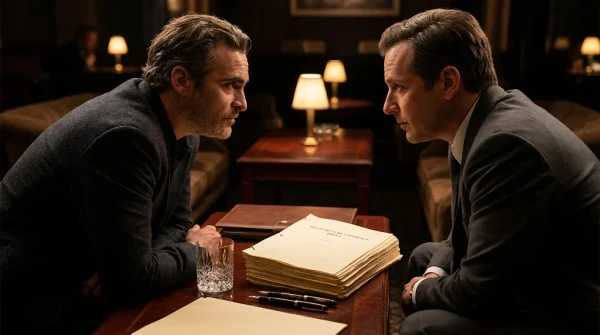
Veteran television director Timothy Van Patten, who worked to establish the early visual vocabulary of the series, sensed the creative vacuum immediately. Standing in the dry heat of the Moroccan set, he watched the silent gaps between the leads and realized that the space was filled not with unsaid desire, but with an empty creative void. His quiet feedback to the network executives initiated the emergency pivot, proving that even the most beautiful aesthetic choices cannot survive a dead frame.
The Royal Mismatch: Why Screen Partnerships Fail
The first layer of this creative failure lies in the narrative mismatch of the performances. Some actors possess brilliant solo instincts but struggle to find a shared frequency when paired with an intense physical counterpart. In those original, unreleased scenes, the interaction felt like a formal rehearsal rather than the start of a legendary, complicated alliance.
The second layer is the physical tempo of the actors. Great screen chemistry requires a shared physical rhythm, a subtle language of movement that suggests an unspoken, intimate history. When one performer operates with classical theatrical restraint and the other relies on raw, modern energy, the lens splits the scene in half, destroying the illusion of connection.
The Recasting Blueprint: Lessons from the Targaryen Shift
To salvage the massive investment, the production had to move away from its original casting blueprint. They needed an actress who could project both profound fragility and cold, regal authority. When Emilia Clarke stepped into the role, she brought an expressive, raw quality that instantly made the viewer feel protective of her character’s fate.
This dramatic shift proved that adaptability overrides initial casting blueprints every single time. A successful creative endeavor requires the willingness to burn down your own foundation if the core elements do not align, regardless of how much time or money has already been spent on the first draft.
Crafting Creative Resonance
To evaluate and cultivate genuine alignment in your own creative or collaborative projects, you must strip away the surface noise and focus on raw interaction. Use these minimalist, mindful steps to assess the strength of your partnerships:
- Test under raw conditions: Strip away the elaborate staging and heavy styling to see if the core connection holds up on its own.
- Observe the micro-movements: Look for natural physical alignment and spontaneous, unforced timing during casual interactions.
- Prioritize contrasting energies: The strongest partnerships often feature opposing styles that naturally balance each other out.
- Measure the adaptation speed: Notice how quickly your partner adjusts when you make an unscripted shift in pace or tone.
The Tactical Toolkit:
- Evaluation Window: Focus on the first four seconds of unscripted interaction to gauge raw comfort.
- The Contrast Ratio: Pair high-energy physical presences with expressive, emotionally grounded partners.
- The Pivot Threshold: Establish a maximum of two dry-run failures before executing a structural change.
The Hard Grace of Starting Over
There is a quiet, necessary grace in admitting when a grand plan has failed. We often cling to our initial choices, pouring valuable energy into a broken concept simply because we fear the embarrassment of starting over. The creators of Westeros could have marched forward with their original casting, hiding the lack of warmth behind grand scale and CGI, but they chose the painful, expensive path of truth instead.
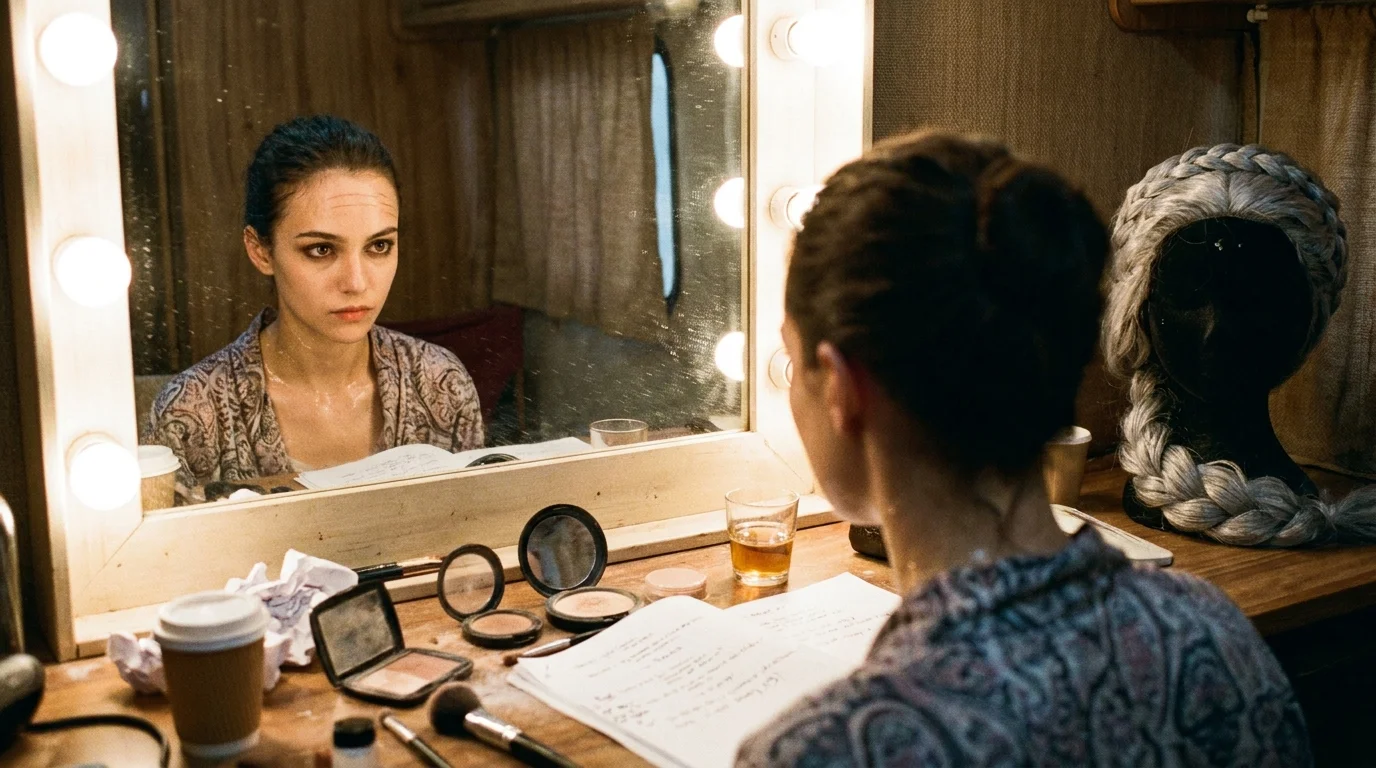
By choosing to scrap the original pilot, they saved the soul of the story. It serves as a reminder that our greatest achievements often require us to quietly abandon our first attempts. In the end, the most iconic television empire of our generation was built not on a perfect first take, but on the courage to walk away from a cold frame, leaving the heavy silver wig sitting abandoned in the original makeup trailer.
“Chemistry is the only element of storytelling that cannot be simulated with a budget.” — Nina Gold
| Key Point | Detail | Added Value for the Reader |
|---|---|---|
| The Unseen Friction | Lack of emotional resonance in the Moroccan wedding shoot. | Understand that raw interactive energy always beats professional pedigree. |
| The Pivot Window | Recognizing casting errors before global distribution. | Learn the importance of cutting losses early to protect long-term value. |
| The Recasting Effect | Replacing the lead to introduce a dynamic character arc. | Realize that true creative authority requires accepting short-term setbacks. |
Frequently Asked Questions
Who was the original actress cast as Daenerys Targaryen?
Tamzin Merchant originally played the role in the unaired pilot before Emilia Clarke was cast.Why did the original pilot need to be completely reshot?
The initial footage lacked emotional pacing, warmth, and believable romantic chemistry between the leads.How much did the unreleased pilot cost to produce?
Reports estimate that HBO spent between 5 and 10 million dollars on the original, unreleased pilot.Are there any surviving clips of the original wedding scene?
No official footage has ever been released to the public, keeping the original pilot hidden in the archives.How did George R.R. Martin react to the casting change?
While he praised the original performance, he fully supported the recast to achieve the necessary dynamic on screen.