The air inside the Boston soundstage carried the distinct chill of a late-night shoot, smelling of dust heated by massive light rigs and lukewarm, paper-cup coffee. You can easily imagine how a cinematic masterpiece is built: a group of dedicated artists executing a brilliant script with mathematical precision. Every line measured, every breath rehearsed, every block of movement pre-determined to satisfy the lens.
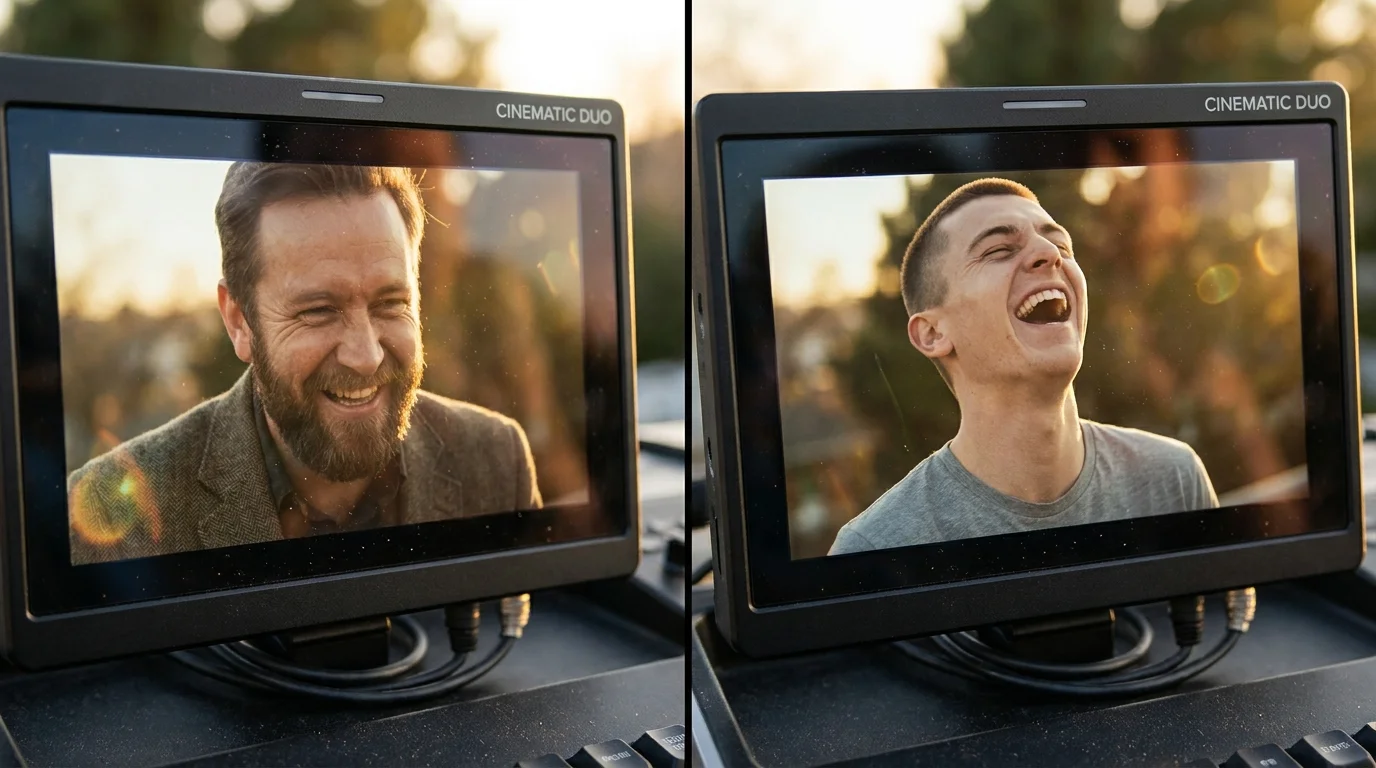
But if you look closely at one of the most famous therapy sessions in film history, you will notice a telltale sign of beautiful chaos. There is a slightly blurred camera monitor shaking almost imperceptibly because the operator behind the lens is quietly trembling with laughter, desperately trying to keep his shoulders still so he doesn’t ruin the sound take.
In this quiet room lined with old textbooks and soft watercolor paintings, the script called for a sober, psychological dialogue between an orphaned genius and a grieving therapist. Instead, what happened in that tiny space was a sudden detour into pure, unscripted humanity that would change the trajectory of the entire production.
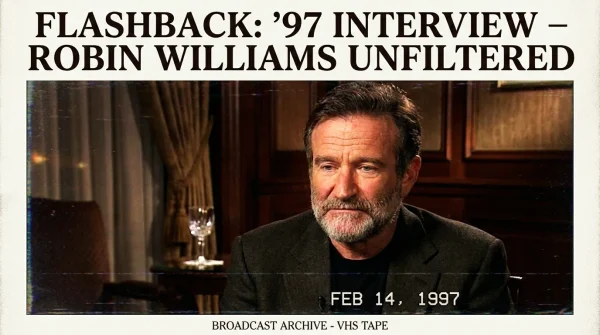
When Robin Williams leaned forward, his eyes shifting from professional intensity to a spark of pure mischief, he abandoned the written word entirely. He began spinning an absurd, intimate story about his late wife’s nighttime flatulence, catching his young co-star completely off guard. The sheer unpredictability of the moment instantly shattered the invisible wall between performance and reality.
The Architecture of the Happy Accident
We are conditioned to treat blueprints as sacred texts, believing that success is merely a matter of flawless execution. Yet, the most profound moments in creative work often emerge when the blueprint fails and the raw material of life takes over. In this iconic scene, the rigid structure of an Oscar-winning screenplay was cast aside to make room for something far more valuable: genuine, uncalculated connection.
When you stop gripping the steering wheel with white knuckles, you allow the momentum of the environment to guide you. Robin Williams understood that grief and humor are not opposites, but neighbors sharing the same backyard. By introducing a vulgar, beautifully mundane detail about the woman his character loved, he stripped away the clinical distance of the therapy session and forced the scene to breathe.
- Kevin Bacon protects his lasting marriage enforcing an absolute transit boundary
- Johnny Depp early press tours broadcasted obvious behavioral warnings audiences missed
- Stranger Things tense woodland scene accidentally broadcasted a highly guarded romance
- Twilight quietly replaced its initial casting choice over disastrous chemistry tests
- Nicholas Hoult public superhero audition dismissal created massive fan underdog support
A Shared Secret from the Set
Marcus Boyd, a seasoned camera assistant who spent decades pulling focus on noisy East Coast sets, remembers the palpable shift in the room’s energy. He recalls how Matt Damon’s shoulders began to hitch, his laughter transforming from a polite actor’s chuckle into a genuine, helpless wheeze. “You could feel the air pressure change in the room,” Boyd notes. The camera operator, Jean-Yves Escoffier, had to physically squeeze his ribs to keep the camera from shaking entirely out of focus. It was a masterclass in letting go, proving that the best director is often the one who simply refuses to yell ‘cut.’
The Anatomy of the Unscripted Frame
To understand why this moment continues to be studied in acting masterclasses and screenwriting workshops, we must break down the layered elements of this technical gamble.
He looks off-camera instinctively for a split second, a classic tell of an actor breaking character to see if the director is going to call a halt to the madness. But because the camera kept rolling, Matt Damon had no choice but to fold into the laughter, transforming his real-life amusement into Will Hunting’s psychological breakthrough.
In modern, highly controlled editing suites, a shaky camera frame or a laughing actor is often discarded as a mistake. In this case, however, the slight physical wobble of the lens serves as a subconscious signal to the audience, letting them know they are witnessing an organic truth that cannot be manufactured.
Cultivating Spontaneity in Your Own Work
How do we invite this kind of productive magic into our own daily structures without letting go of the reins entirely? The secret lies in building a framework strong enough to survive a detour, then having the courage to follow the detour when it presents itself.
By cultivating a responsive space rather than a rigid plan, you open the door to unexpected breakthroughs. Here is how to practice this mindful approach to creative and professional endeavors:
- Establish the boundary first: Know your structure so thoroughly that you can step away from it without losing your way back.
- Listen for the silent spaces: Pay attention to the pauses in conversation or the gaps in a project where the unwritten truth lives.
- Give yourself permission to make a mess: The most brilliant solutions rarely arrive in a polished wrapper; they usually require a bit of cleaning up later.
- Keep the tape running: Do not immediately abort a plan when something goes off-script; some of the best outcomes are disguised as errors.
To help you navigate these moments of productive chaos, consider these simple metrics for your daily practice:
- The 3-Second Pause: When faced with an unexpected turn, wait three seconds before reacting to let the moment settle.
- The Focus Shift: Pay closer attention to how others are reacting to a situation rather than focusing solely on your own performance.
- The Flaw Integration: Instead of hiding a minor mistake, see if it can be used to add character or depth to the final product.
The Beauty of the Unpolished Life
There is a profound comfort in realizing that one of the most celebrated moments in modern cinema was a complete mistake that everyone simply agreed to keep. It suggests that our own lives do not need to follow a pristine, pre-determined script to be deeply meaningful or highly impactful.
When we allow our cracks to show, we make it safe for the people around us to do the same. The enduring magic of that therapist’s office was not the brilliance of the written dialogue, but the collective courage of a room full of artists who chose to value a genuine laugh over a perfect take.
“True art happens when the script finally fails you, and you are forced to look at the person sitting across from you.” — Robin Williams
| Key Point | Detail | Added Value for the Reader |
|---|---|---|
| The Scripted vs. The Live Detour | The original scene demanded psychological sparring; the actors chose a raw, human confession. | Teaches you to trust instincts over over-preparedness in high-pressure moments. |
| The Camera Wobble | The camera operator laughed so hard the physical frame shook during the take. | Proves that technical imperfections often enhance emotional resonance. |
| Damon’s Genuine Break | Matt Damon dropped his acting defenses, looking directly at Williams in authentic shock. | Illustrates the power of shared vulnerability in building real trust. |
Frequently Asked Questions
Was the farting story actually in the Good Will Hunting script?
No, the story about his wife’s nighttime habits was entirely improvised by Robin Williams on the spot, catching the crew and Matt Damon by surprise.Why didn’t the director cut the scene when the camera shook?
Gus Van Sant recognized that the raw, emotional authenticity of the moment was far more valuable than a technically perfect, static shot.How did Matt Damon keep from ruining the take?
He didn’t try to hide his laughter; instead, he allowed his genuine amusement to merge with his character’s defense mechanisms breaking down.What does this scene teach modern screenwriters?
It highlights the importance of leaving psychological “breathing room” in a script, allowing actors to inhabit the characters rather than just read lines.Where can you see the camera shaking in the final cut?
If you watch the shot focusing on Matt Damon during the laughter, the bottom edge of the frame wobbles slightly due to the camera operator laughing.