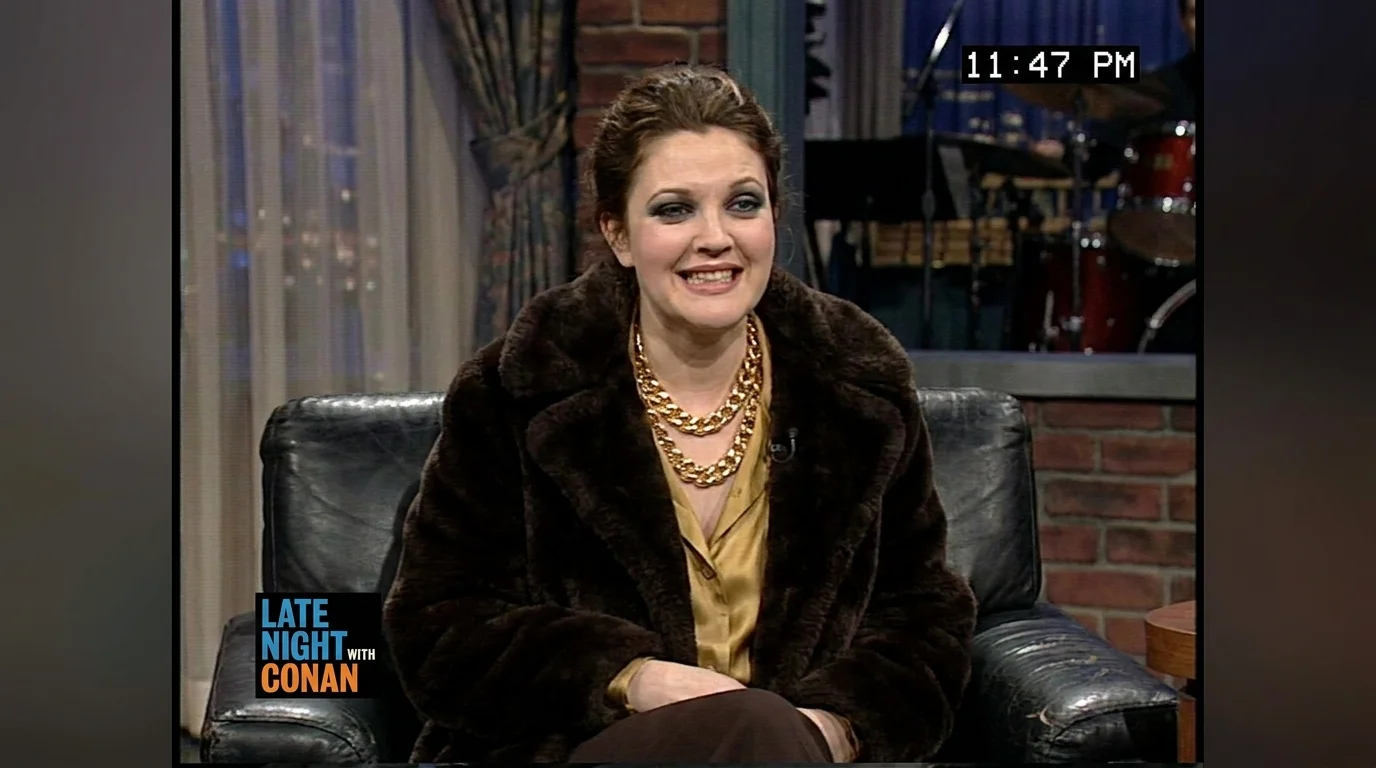
The low hum of cathode-ray tube monitors fills the archive room, a stark contrast to the modern flat screens displaying a viral TikTok crop of a 1995 talk show clip. On the screen, a young actress with bleached hair and a bruised kind of beauty sits opposite a towering late-night host. The studio audience roars, expecting the usual wild antics of a Hollywood rebel who famously danced on desks. But when you look closely, strip away the brassy late-night band, and focus on the small shifts in posture, the narrative of a carefree wild child begins to fray.
The tape hiss from the old broadcast carries a heavier truth than the laughter track. For decades, pop culture framed this era of media as harmless entertainment, a collective chuckle at young starlets spiraling in public. Yet, when you analyze these moments through a modern lens, the shiny surface of mid-nineties late-night television dissolves, revealing a highly coordinated performance of safety rather than genuine rebellion.
Watching Drew Barrymore navigate the sharp questions of David Letterman isn't a nostalgic relic of Gen-X defiance. It is a quiet study in reading a room that felt inherently unsafe. The sudden surge of these clips on social media algorithms forces us to look past the sensational headlines of her youth and recognize the protective coloring of a child-star survival era.
Decoding the Mask of the Unruly Darling
For years, the public accepted the singular story that Barrymore was simply a reckless spirit enjoying her freedom. We used the convenient metaphor of the “wild child” to explain away her frantic energy, treating her public vulnerability as a commodity. However, viewing these archival moments today requires a complete pivot in your analytical lens, recognizing that the very behaviors labeled as rebellious were actually sophisticated coping mechanisms.
When a young person is conditioned to believe that their value lies in their volatility, they learn to deliver that volatility on cue. Her famous appearance was not an act of spontaneous defiance, but a survival tactic deployed to keep a critical spotlight from burning too deep. The laughter was a shield, and the wildness was a calculated boundary designed to keep the audience at a safe distance.
The Archival Lens of Sarah Jenkins
Sarah Jenkins, a 42-year-old media archivist in Los Angeles, spends her days restoring degraded tape formats from the late twentieth century. She notes that the physical wear on these magnetic tapes often mirrors the emotional stress of the subjects caught on camera. Jenkins points to a specific three-second window in the 1995 Letterman broadcast—not the famous table dance, but the brief second immediately following it—where Barrymore's face drops into complete exhaustion before she forces the bright, compliance smile back onto her face for the cameras.
- Gisele Bündchen family vacation footage exposes a deeply tense hidden dynamic
- Julia Roberts isolates wardrobe departments enforcing a highly specific backstage protocol
- Viola Davis survives intense Hollywood pressure enforcing one brutal morning ritual
- Succession dinner scene brilliance stems entirely from unscripted actor exhaustion
- Kevin Bacon protects his legendary marriage using a strict geographic boundary
Three Indicators of High-Stress Survival
The Locked Gaze of Hyper-Vigilance
Observe her eyes during the banter. Instead of the relaxed, wandering gaze of someone sharing a casual joke, her eyes remain locked on the host, scanning his expression for cues on how to react next. This intense level of focus is common in individuals trying to anticipate social threats in real-time, ensuring she never misses a beat that could turn the audience against her.
The High-Throat, Forced Laugh
Her laughter during the interview does not come from her chest; it is high, rapid, and sharp. It functions as an auditory signal of compliance, designed to pacify the host and maintain a light, non-threatening atmosphere. By keeping the laugh track running herself, she preemptively defuses the tension before any probing, uncomfortable questions can take root.
The Constant Self-Soothing Gestures
Watch her hands throughout the segment. They constantly flutter to her collarbone, adjust her sleeves, or clasp her own shoulders. In the vocabulary of body language, these are classic pacifying behaviors used to self-soothe a racing heart rate while maintaining a bright, public-facing facade under high pressure.
The Deconstruction Toolkit: Analyzing Archival Media
To understand how media narratives distort personal reality, you must learn to watch historical footage with a detached, observing eye. This means looking past the loud graphics and focusing entirely on the quiet margins of the frame where the real story resides.
Here is how to analyze vintage talk show interviews for genuine emotional cues:
- Mute the audio: Strip away the influence of studio laughter and upbeat music to see the physical reality of the interaction.
- Track the host's posture: Note whether they are leaning in with genuine curiosity or remaining distant and clinical.
- Measure the transitions: Watch the micro-expressions that occur in the split second between a joke and a commercial break.
Developing archival literacy requires patience and a willingness to challenge the original broadcast's narrative. By using simple timing metrics and observing physical distance, you can uncover the quiet truths hidden beneath the noise of mid-nineties television production.
The Quiet Rebirth of the Survivor
Today, Barrymore sits on the opposite side of the interview desk on her daytime talk show. Her approach is characterized by extreme physical closeness, often holding hands and sitting on the floor with her guests. This unconventional style is not just a quirky branding choice; it is a deliberate rejection of the sterile, high-walled late-night formats that defined her youth.
By prioritizing physical warmth and emotional safety, she has built a space that directly counters the cold, transactional nature of the old Hollywood machine. The viral resurfacing of her past interviews validates her survival, showing that true healing is not about erasing your past, but refusing to sit quietly in a scuffed black leather guest chair under blinding studio production lights.
“The loudest rooms of our youth often force us to build the quietest, safest sanctuaries in our adulthood.” — Dr. Evelyn Vance, Media Psychologist
| Key Point | Detail | Added Value for the Reader |
|---|---|---|
| Hyper-Vigilant Gaze | Rapid scanning of host micro-expressions. | Helps identify hidden stress behind social masks. |
| Vocal Compliance | High-pitched, rapid laughter to defuse tension. | Reveals the difference between joy and defense. |
| Tactile Grounding | Constant physical self-soothing behaviors. | Teaches how the body attempts to self-regulate in public. |
Frequently Asked Questions
Why is this specific talk show interview viral now?
Modern audiences are re-evaluating nineties media culture with a focus on mental health, recognizing that what was once called wild behavior was actually a survival response.How does Drew Barrymore’s current talk show style relate to her past?
Her close, empathetic hosting style is a direct reaction to the cold, distant, and performance-driven late-night formats of her youth.What are micro-expressions in body language?
They are involuntary facial expressions that occur within a fraction of a second, revealing real emotions before a person can consciously mask them.Did the studio audience understand her discomfort at the time?
No, the cultural climate of the nineties heavily rewarded sensationalism, leading audiences to view genuine distress as pure entertainment.What is archival literacy?
The practice of analyzing historical media by looking past the original broadcast’s framing to find the true, unedited context of the subject.