The hum of a fluorescent bulb in a production office at 4:30 AM has a way of stripping away the romance of show business. You expect the glittering excess of Hollywood—the leased private jets, the sprawling estates in the hills, and the entourage of paid yes-men. Instead, there is only the quiet scratch of a pen on a standard yellow legal pad and the smell of damp asphalt outside.
The air smells faintly of burnt drip coffee and damp pavement from the overnight rain machine on the backlot. For decades, the industry has trained you to believe that security is built through accumulation. We are told that heaping up massive material proof of our success is the only way to shield ourselves from the precarious, shifting nature of a creative career.
Yet, when you look at how the most resilient icons navigate this landscape, the glittering facade cracks. Keanu Reeves has spent over thirty years in the eye of the pop-culture hurricane, yet his presence feels remarkably unburdened by the gravity of his wealth. The secret is not a lack of money, but a conscious decision to treat capital not as a monument to self, but as a fluid, functional resource that keeps you grounded.
The Wealth-As-Water Metaphor
To understand this approach, you must abandon the idea that wealth is a fortress to be guarded. Think of money like water in an irrigation system rather than a stagnant lake. When water pools too deeply in one place, it turns brackish, breeding the constant paranoia of theft, rot, and eventual drought. By allowing it to flow outward to the edges of the field, you lower the pressure on the center while ensuring the entire ecosystem survives.
Aggressive lifestyle inflation is a trap that turns high earners into hostages of their own overhead. When your monthly nut requires continuous blockbusters to sustain, you lose the freedom to say no to projects that drain your spirit. A lean framework buys back your creative autonomy by keeping your personal footprint small enough to fit inside a modest room, regardless of how many millions are flowing through your bank accounts.
- The Lord of the Rings knife throw survived through pure actor panic
- Sarah Jessica Parker protects her marriage enforcing an absolute theatrical boundary
- Miley Cyrus and Liam Hemsworth red carpet footage broadcast early warning signs
- Gossip Girl Thanksgiving episode exposed an entirely real off screen romance
- Shailene Woodley faced sudden superhero recast over intense chemistry failures
Marcus Vance, a 52-year-old veteran production manager who worked on major sci-fi sequels in the early 2000s, recalls the moment the illusion shattered for him. During a tense budget meeting where the studio threatened to cut the special effects and stunt budgets, Reeves quietly initiated a contract restructure. He voluntarily gave up a massive portion of his back-end profit points, directing those funds straight to the underpaid crew members who built the physical worlds he inhabited. “He did not make a press release out of it,” Vance says, adjusting his worn clipboard. “He just signed the paper because he knew that a movie succeeds when the people on the ground feel valued, not when the lead actor buys another mansion.”
The Strategic Redirect: Contractual Ecosystems
For the independent creator or freelancer, this translates to structural profit-sharing. Instead of hoarding every scrap of margin, you build loyalty by sharing the upside with your immediate collaborators. This is not charity; it is shrewd, long-term risk mitigation that ensures your key team members will never abandon you when a project hits a difficult rough patch.
The Overhead Cap: Resisting the Inflation Trap
For the mid-career professional experiencing a sudden surge in income, the instinct is to scale up immediately. You buy the larger house, sign the luxury car lease, and hire the personal assistant. The Reeves model suggests a hard cap on personal overhead, keeping your living expenses pegged to a baseline salary while diverting excess windfalls directly into low-yield, high-security assets or direct community investments. This keeps your mind clear and prevents the panic-driven decision-making that ruins so many promising careers.
Building Your Own Grounded Framework
Creating a sustainable financial framework requires a systematic, unemotional audit of your outflows. You do not need a Hollywood-sized bank account to implement these principles in your daily life.
- Define Your Baseline: Determine the exact number needed to live comfortably without luxury extras, and treat everything above that as investment or distribution capital.
- Implement the 30% Overflow Rule: Allocate at least thirty percent of any sudden windfall directly to those who helped you achieve it, whether through bonuses, gifts, or shared opportunities.
- Establish a Friction Buffer: Keep your liquid reserves in simple, boring accounts that require manual effort to access, reducing the temptation of impulsive spending.
- Audit Your Possessions: Every six months, pass on items you have not touched, ensuring your physical footprint remains light and mobile.
By treating money as an energetic tool rather than a status symbol, you build an ironclad defense against the pressures of modern life. Here is a quick tactical toolkit to help keep your financial priorities aligned with your personal values:
- Emergency Reserve: 12 months of baseline operating costs.
- Redistribution Target: 10% of gross profits shared directly with collaborators.
- Asset Allocation: Simple index funds over complex, high-maintenance real estate.
The Freedom of a Light Footprint
Ultimately, a strict, low-friction financial framework is not about deprivation. It is about realizing that the heaviest weight you can carry is the stuff you do not actually need. When you strip away the pressure of maintaining a manicured public image, you gain something far more valuable than luxury: the quiet confidence of knowing you can walk away from any deal that does not align with your soul.
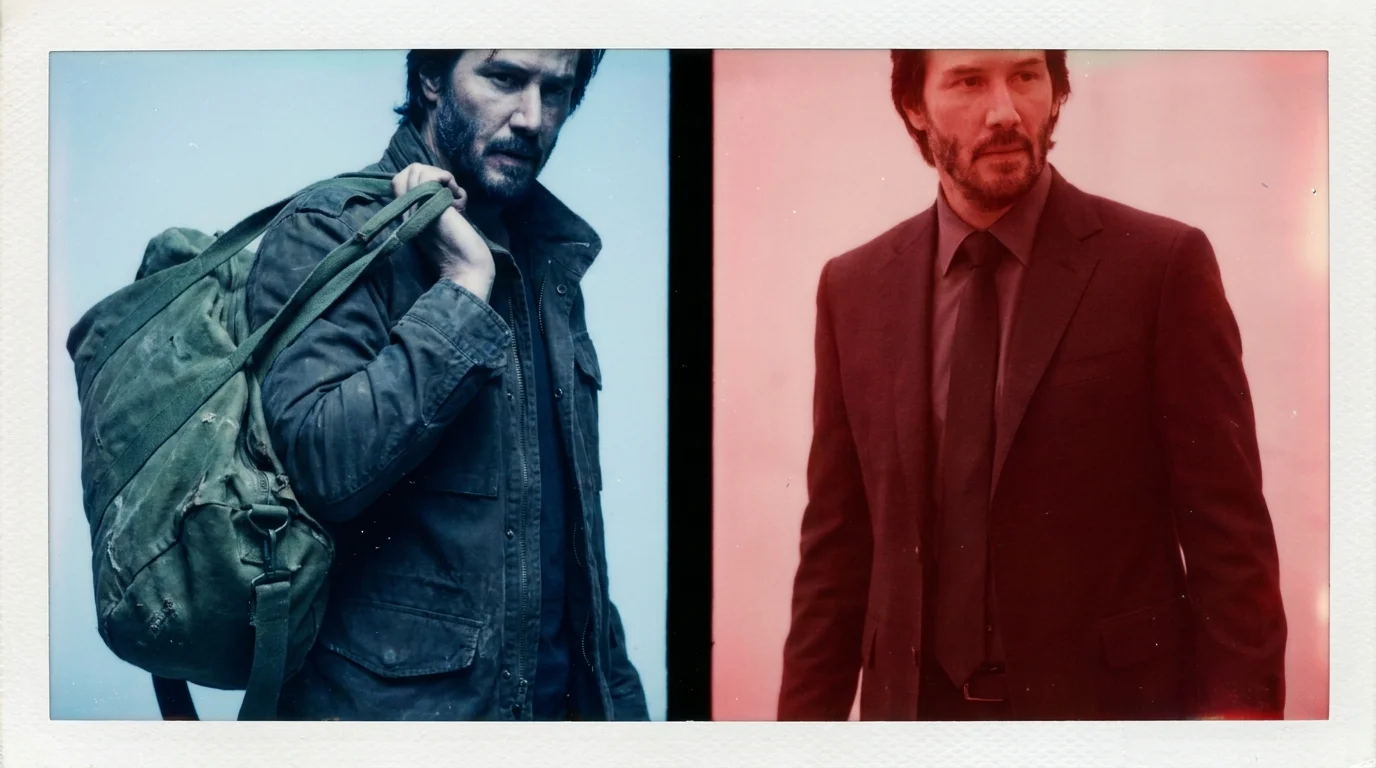
As the sun begins to rise over the soundstage, the true value of this mindset becomes clear. While others are buried under the stress of mounting debts and complex corporate entanglements, the grounded professional is already moving on to the next creative challenge. All that remains is the simple, unburdened focus of someone who knows exactly who they are, carrying nothing but a standard-issue green canvas duffel bag packed for early morning set calls.
“True wealth is measured by what you can afford to give away without feeling the loss.” — Marcus Vance, Veteran Production Manager
| Key Point | Detail | Added Value for the Reader |
|---|---|---|
| The Contractual Redirect | Restructuring back-end points to support the crew | Protects the project’s health and builds unbreakable team loyalty. |
| The Overhead Cap | Restricting personal living expenses to a fixed baseline | Prevents financial desperation and preserves your creative veto power. |
| Asset Simplification | Favoring liquid, low-yield safety over flashy investments | Eliminates the mental load of managing complex physical portfolios. |
How does Keanu Reeves manage his movie contract payouts?
He frequently negotiates clauses that divert significant portions of his back-end profits back into the film’s production budget or directly to the crew behind the scenes.
What is lifestyle inflation and why is it dangerous?
It is the habit of increasing your spending as your income rises, which traps you into working jobs you dislike just to pay for your overhead.
How can I apply a Hollywood financial framework to a normal salary?
Establish a firm cap on your living expenses, treat extra income as tools for future freedom, and share excess profits with those who assist your work.
Why is keeping a low overhead vital for creative professionals?
Low overhead gives you the leverage to say no to projects that compromise your values, protecting your long-term creative energy.
What does the green duffel bag symbolize in this framework?
It represents the ultimate freedom of being mobile, unencumbered by material clutter, and ready to focus entirely on the work at hand.