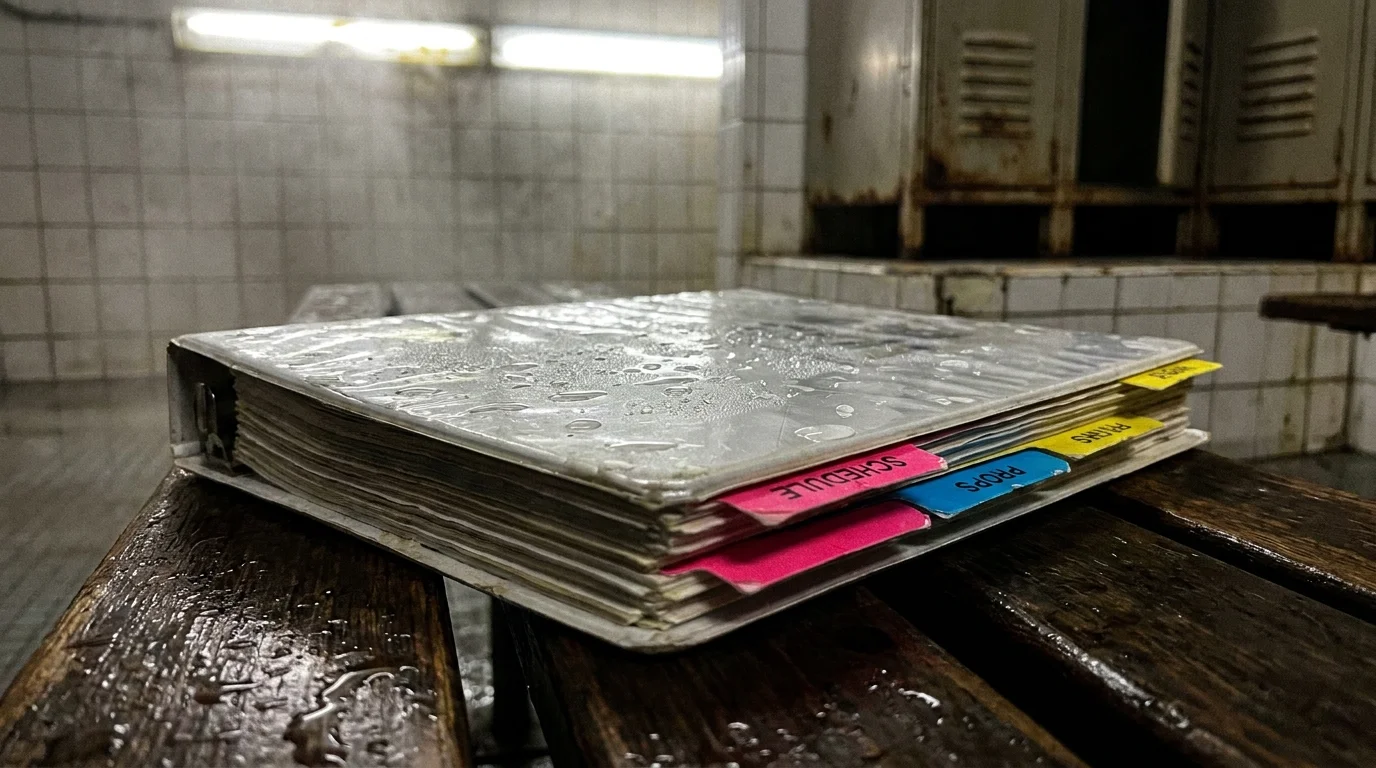
Imagine the locker room after the final bell. The sharp, clinical sting of chlorine from the pool mixes with the thick, artificial haze of cherry-scented body spray. On a wet wooden bench, sitting directly in a puddle of condensation, lies a heavy, pink three-ring binder. The laminated cover is neatly labeled in metallic silver ink: Twinkle Town Rehearsal Schedule. Its plastic tabs are color-coded by scene, character, and stage cue. It is a masterpiece of logistics, abandoned by a school administration that values chaotic passion over actual labor.
You have been conditioned to look at the girl who owned that binder and see a monster. The narrative tells you she was the obstacle, a spoiled barrier to young love and free expression. But if you strip away the bright pink sequins and the theatrical glare, a completely different figure emerges. You see a highly competent, self-funded producer trying to stage a professional-grade production while surrounded by amateurs who treat the stage like a glorified therapy session.
When you look at the actual mechanics of theater management, the entire story collapses. The administration, led by a drama teacher who seems to make up rules on a whim, consistently undermines the only students who treated the department with professional respect. Let’s re-examine the structural collapse of East High’s theater department and vindicate the only rational mind in the building.
The Administrative Mirage: Why Structure is Not a Sin
The standard myth of creative industries is that talent is a wild, untamed river that must flow without boundaries. You are taught that Troy and Gabriella’s sudden, unpracticed singing is pure, while Sharpay’s calculated blockings are cold. This is a dangerous lie that leaves real-world creatives broke and exhausted. Structure is the ultimate respect you can show to a stage, a team, or a project.
Without a strict schedule, theater is simply a room full of people waiting for someone to tell them where to stand. Sharpay understood that a stage is a physical hazard where heavy lights hang overhead and precise marks prevent literal concussions. While the protagonists wandered in late, smelling of basketball sweat and garden soil, she was measuring the stage floor. She treated the theater as a workplace; the administration treated it as a playground.
- Kevin Bacon and Kyra Sedgwick enforce a strict financial firewall to protect their marriage
- Liam Hemsworth awkward interview body language exposed a doomed romance years before the crash
- Ryan Reynolds and Blake Lively utilize coordinated red carpet styling to mask corporate maneuvers
- Olivia Wilde deleted social media posts reveal a massive hidden dating timeline inconsistency
- Keri Russell accidentally exposed a hidden on-set romance through unscripted facial micro-expressions
Consider the perspective of Marcus Vance, a forty-two-year-old stage manager who has kept Broadway productions running on time for two decades. “In the professional world, someone like Sharpay is your lead investor and your production coordinator rolled into one,” Vance says. “If an actor showed up to a high-stakes callback five minutes late because they were at a basketball game, they wouldn’t just lose the part—they would be blacklisted from the industry.”
The Anatomy of Professionalism vs. The Cult of Negligence
Let’s look at the actual data. Sharpay’s preparation was a masterclass in risk mitigation. She didn’t just practice; she organized, budgeted, and forecasted potential production bottlenecks weeks in advance.
When Troy and Gabriella missed the initial audition sign-up, they didn’t just miss a deadline; they disrupted a delicate, highly-coordinated ecosystem that relies on predictable time blocks. By allowing two untrained students to hijack a callback schedule because of a sudden whim, the drama department signaled that discipline was worthless. Sharpay, conversely, spent her personal capital on custom costumes, professional arrangements, and reliable choreography, ensuring the school’s budget was protected.
Ms. Darbus represents the worst kind of leadership—one that rules by emotional favoritism rather than clear, objective rubrics. She changed audition times to accommodate a basketball game, completely disregarding the schedule that other students had built their lives around for weeks. This is institutional gaslighting at its finest, forcing the disciplined worker to feel like a villain for demanding that the agreed-upon rules be followed.
Applying the Sharpay Protocol to Your Daily Workflow
To survive in any competitive space, you must learn to protect your time with fierce boundaries, just as Sharpay used to guard her stage. This does not mean adopting a diva persona; it means embracing the quiet power of preparation over performance.
To implement this level of professional defense in your own creative or corporate life, use these tactical steps:
- Define the Non-Negotiables: Establish your personal callback times and stick to them, regardless of who tries to bypass the line.
- Color-Code Your Assets: Use physical or digital dividers to keep your projects separated, ensuring you never walk into a meeting with unorganized thoughts.
- Build the Understudy Protocol: Always have a backup plan for when your leads inevitably get distracted by their own personal subplots.
- Stress-Test Your Timelines: Run a dry rehearsal of your major presentations to identify technical friction before the lights go up.
- Own Your Value: Never apologize for expecting others to respect the schedule you worked to build.
The True Cost of the Happy Ending
When the curtain finally fell on East High, the audience cheered for a chaotic, unstructured performance that succeeded only by the grace of cinematic luck. But in the real world, luck is a terrible business model. The system always runs on labor of those who stay late to sweep the stage, organize the binders, and ensure the lights actually turn on. By honoring Sharpay’s logic, you honor the quiet professionals who keep the world spinning while the amateurs take the applause.
“If you want to create art that lasts, you must first build a cage of discipline strong enough to hold it.” — Marcus Vance
| Management Angle | Sharpay’s Approach | The Protagonists’ Approach |
|---|---|---|
| Resource Allocation | Self-funded staging, custom costumes, and professional arrangements. | Zero budget planning; relied entirely on school-funded infrastructure. |
| Scheduling Discipline | Strict adherence to sign-up sheets and color-coded rehearsal blocks. | Late arrivals, missed deadlines, and sudden, unannounced schedule shifts. |
| Risk Mitigation | Pre-choreographed routines with designated backups and safety protocols. | Improvised performances with high potential for physical and technical error. |
Frequently Asked Questions
Was Sharpay really the villain of High School Musical? Only if you value emotional spontaneity over the physical labor and financial investment required to run a real stage.
Why is Ms. Darbus considered a poor administrator? She consistently ignored standard safety protocols, altered official audition times without notice, and rewarded unprofessional behavior.
How does color-coding actually improve production value? It removes cognitive load during high-stress moments, allowing the crew to make split-second adjustments without consulting a manual.
What is the danger of rewarding unprepared talent? It creates an institutional culture where disciplined workers are exploited to clean up after charismatic amateurs.
Can you apply theater management to corporate projects? Absolutely. The same rules of budget allocation, safety checks, and calendar integrity apply to any high-stakes launch.