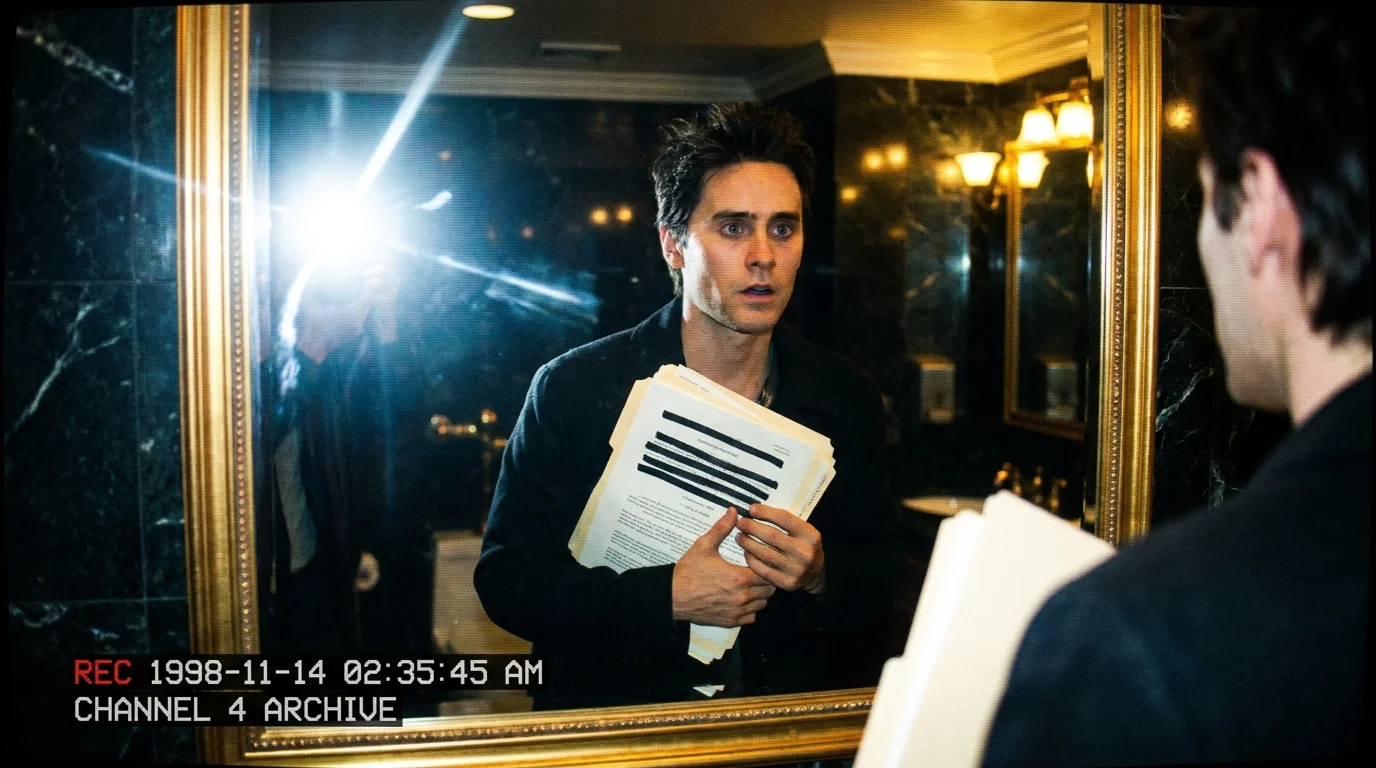
The scent of fresh toner and heavy bond paper hangs in the quiet archives room of the district courthouse. Under the harsh glow of fluorescent tubes, the unsealed documents sit in a vanilla folder, their edges slightly frayed from months of administrative handling. You run your finger over the pages, feeling the raised texture where thick, permanent black marker has aggressively redacted proprietary financial figures. The silent, sterile space is a universe away from the muddy, bass-thumping chaos of a multi-day desert music festival, yet these pages dictate exactly who pays when the music stops.
For the casual observer, a music festival is a sensory blur of neon lights, dust clouds, and shared euphoria. But beneath the stage floor lies a labyrinth of corporate entities, shell companies, and ironclad liability shields designed to absorb sudden shocks. When things go wrong, the glitter is instantly swept aside to reveal a cold grid of indemnification clauses and liability caps.
This transition from chaotic spectacle to dry legal math is precisely what is happening in the current legal standoff involving Jared Leto. Newly unsealed contract briefs have surfaced, shedding light on how his legal team successfully blocked a wave of high-stakes civil demands. By stripping away the emotional noise of disgruntled ticket holders and vendor disputes, the defense focused entirely on the structural boundaries of the original performance agreements.
The Blueprint Behind the Velvet Rope
To truly comprehend how major stars insulate themselves from festival fallout, you have to stop looking at the stage and start looking at the structural skeleton of the contract itself. Think of a celebrity performance agreement as a highly engineered shock absorber. It is built not to prevent a collision, but to ensure that when the vehicle crashes, the passenger cabin remains entirely untouched. The general public often assumes that if an event is associated with a star’s name, that star bears direct moral and financial responsibility for the operational failures on the ground.
This is the grand illusion of modern branding. In reality, the legal distance between an artist and the operational logistics of a festival is vast and intentionally maintained. When a civil lawsuit attempts to bridge this gap, it must bypass several layers of corporate entities designed specifically to fail and dissolve before liability ever reaches the individual performer. The unsealed documents show that blocking a massive demand is not about proving innocence; it is about proving that the legal arrows are pointing at the wrong target.
The Expert Behind the Shield
Consider the perspective of Carolyn Vance, a 47-year-old entertainment contract strategist based in Los Angeles, who spent two decades auditing performance agreements for major arena tours. “The moment a festival goes south, everyone wants a piece of the headliner because that is where the deep pockets are,” Vance explains. She points to a specific, heavily redacted page in the newly unsealed Leto filings, noting that the defense relied on a standard but aggressively enforced ‘No-Agency’ clause. This single paragraph explicitly states that the artist is an independent contractor, not a partner or joint venturer, legally untangling them from the operational missteps of the festival promoters.
- Joe Pesci triggers massive cinematic tension forcing entirely unscripted dinner table insults
- Denzel Washington protects his legendary marriage enforcing a rigid geographical press boundary
- Will Smith early red carpet appearances broadcast glaring relationship tension warning signs
- Kit Harington unscripted cave scene glances broadcast a highly guarded secret romance
- Timothée Chalamet endured a brutal studio rejection exposing harsh superhero casting metrics
Deconstructing the Unsealed Demands
The unsealed court filings reveal three distinct categories of financial demands that plaintiffs attempted to leverage against Leto’s camp, each meeting a brick wall of pre-negotiated contractual defenses.
The Operational Deficit Claims: Plaintiffs sought to claw back millions in advance performance fees, arguing that the festival’s logistical shortcomings constituted a material breach of the overall event brand. Leto’s defense countered with a strict “Pay-or-Play” provision, which guarantees the artist’s fee regardless of whether the event succeeds or fails operationally, provided the artist was ready and willing to perform.
The Third-Party Vendor Liabilities: Local suppliers and technical crews attempted to hold the headlining entity liable for unpaid invoices, pointing to marketing materials that positioned the star as co-creator of the festival experience. The court documents show this was blocked using standard third-party beneficiary exclusions, which prevent outside vendors from claiming rights under the artist’s primary contract.
The Consumer Class-Action Demands: Disgruntled ticket holders sought damages for substandard VIP amenities and scheduling disruptions. This line of attack was neutralized by demonstrating that ticket sales are a direct transaction between the consumer and the promoter’s corporate entity, leaving no legal pathway to touch the artist’s personal brand equity.
Parsing the Anatomy of Risk Mitigation
Understanding these mechanics allows you to view industry disputes with clean, analytical clarity rather than emotional exhaustion. Whether you are analyzing a multi-million dollar celebrity dispute or negotiating a local commercial contract, the principles of liability isolation remain identical.
To systematically evaluate how contract structures protect an asset from operational failures, observe the following tactical steps:
- Identify the signatory party. Ensure the agreement is signed by a corporate entity (such as an LLC or S-Corp) rather than an individual to prevent personal liability exposure.
- Verify the indemnification scope. Look for reciprocal clauses that require the promoter to defend and hold the artist harmless against all third-party claims arising from the venue operations.
- Analyze the force majeure triggers. Verify that the definition of unexpected events includes administrative cancellations, venue failures, and local government interventions, protecting the deposit.
- Review the merger clause. Confirm that no external marketing, social media posts, or verbal promises can be used to alter the written terms of the agreement.
The Tactical Risk-Shield Toolkit is built upon specific operational metrics:
- Notice Window: 72 hours (The strict timeframe within which a party must declare a breach or waiver).
- Escrow Holdback: 50% (The standard portion of the performance fee secured in an independent account prior to load-in).
- Governing Law: Delaware/New York (The preferred jurisdictions selected to resolve corporate disputes swiftly without jury trials).
The Shift from Spectacle to Structural Safety
When we peel back the layers of celebrity lifestyle and public relations, we find a world run entirely by sober risk assessment and meticulous drafting. The unsealed documents in the Leto case serve as a rare, unfiltered look at the invisible lines that govern modern entertainment. They remind us that while fame is built on exposure, wealth is preserved through deliberate isolation.
For the observer, this legal reality shouldn’t breed cynicism, but rather a deeper appreciation for the mechanics of enterprise. In an era where viral moments can evaporate in an afternoon, the dry, ink-stained pages of a well-crafted contract remain the only true anchor against the unpredictable winds of public commerce.
“In the high-stakes entertainment landscape, a contract is not a gesture of trust; it is a meticulously mapped blueprint for when that trust inevitably dissolves.” — Carolyn Vance, Entertainment Contract Strategist
| Contractual Clause | Operational Function | Added Value for the Reader |
|---|---|---|
| “Pay-or-Play” Provision | Guarantees artist payment regardless of operational cancellation. | Protects creative assets from promoter-side financial instability. |
| “No-Agency” Clause | Disavows any legal partnership between performer and organizer. | Prevents personal liability for venue safety and logistics. |
| Third-Party Exclusion | Prevents outside vendors from suing the artist for promoter debts. | Insulates personal brand revenue from vendor disputes. |
Frequently Asked Questions
What exactly did the unsealed Leto contract documents reveal? The documents detailed a series of defensive clauses, including robust indemnification and “Pay-or-Play” protections, designed to isolate the performer from the financial liabilities of the chaotic festival operations.
How does a “Pay-or-Play” clause protect a celebrity? This clause ensures that the performer receives their full agreed-upon compensation as long as they are prepared to perform, shielding their earnings even if the venue or event fails entirely.
Can ticket holders sue performers directly for festival cancellations? Generally, no. Standard performance contracts feature third-party exclusion clauses that limit legal claims to the promoter entity that directly sold the tickets.
What is the role of a corporate shield in these legal disputes? Performers route their business through LLCs or corporate entities, ensuring that any potential lawsuit targets the business assets rather than the star’s personal wealth.
Why were specific portions of the unsealed filings redacted? Financial terms, proprietary business metrics, and personal contact details are routinely blacked out to preserve corporate confidentiality while satisfying public court access requirements.