The quiet, low-lit hum of a production trailer late at night has a specific scent. It is a mix of cold, stale drip coffee, damp woolen coats, and the sharp, blue glare of an iPad screen illuminating a highly frustrated face. This is not the glamorous red carpet that entertainment networks promise to the world. This is the cold reality of a shooting schedule suddenly pushed back three months, throwing personal lives, planned vacations, and binding professional agreements into a tailspin.
You probably read the clean, polished press release from the network regarding the show’s delay. It spoke of a strategic move to optimize prime-time real estate, painting the transition as a victory for the franchise. But behind those glossy corporate words lies a much louder silence. The frantic negotiations that happen in the dark, where actors are forced to choose between contractual compliance and their own sanity, rarely make the official trades.
When the news of the sudden schedule shift broke, the digital footprint left behind by the cast was brief but devastating. Before the public relations teams could deploy their standard sanitizing firewalls, raw human frustration leaked onto the public feed. For a few fleeting hours, the pristine corporate facade cracked, revealing the raw friction of creative labor caught in the gears of corporate programming.
Reading Between the Lines of a Network Pivot
To understand this shift, you have to look at television schedules not as creative decisions, but as high-stakes musical chairs where the music stops without warning. When a network shifts a slot, it does not just move a digital file on a broadcast server. It snaps a fragile web of secondary contracts, booking agreements, and personal leases that actors coordinate around precise production windows.
The common myth is that actors are untouchable entities who simply show up when called, completely insulated from the real-world logistics of their jobs. The reality is far more transactional. When a production window changes without warning, it triggers a domino effect of financial penalties and missed opportunities that can quiet career momentum overnight.
Take the experience of Marcus Thorne, a veteran talent manager based in Los Angeles who has navigated these backroom skirmishes for over twenty years. “When a network shifts a launch window, they are essentially demanding that artists put their entire lives on a shelf for zero extra compensation, hoping the talent will not call their bluff,” Marcus told me over an espresso last week. He understands that the real power lies in knowing when to push back against a unilateral change.
- Disney Pixie Hollow update forces a sudden massive corporate patent lawsuit
- Kieran Culkin switches a scripted camera pivot dropping real bitter tears
- Samuel L. Jackson blocks Hollywood chaos enforcing a heavy blackout curtain boundary
- Tom Brady early red carpet appearances expose glaring tense shoulder warnings
- Nina Dobrev unscripted woodland scene sparks undeniable real life romance theories
The Anatomy of the Timeline
To understand the scale of this quiet rebellion, we have to look at the precise moments the digital narrative began to unravel. On August 14th at 11:42 PM, the lead actor posted a cryptic, exhausted selfie from a dimly lit kitchen, captioned simply: “When you sign up for July but they own your November.” This was the first visible crack in the corporate narrative.
Within three hours, another primary cast member shared a short, black-and-white video of her packing a suitcase, only to unpack it immediately. The accompanying text referenced unilateral amendments before it was quietly scrubbed from the internet just before dawn. These were not accidental posts; they were deliberate leverage plays designed to force the studio back to the negotiating table.
The Leverage Strategies
Some actors choose to remain entirely silent on the surface while their legal representation quietly files for structural damages behind closed doors. This strategy preserves their long-term standing with the network executive suite but often results in a slower, more exhausting resolution process that can take months to settle.
Other performers utilize their personal digital platforms to signal discontent directly to fans, creating immediate public pressure. By the time the network’s legal team can issue a formal cease-and-desist, the narrative has already shifted, giving the talent immense leverage in off-camera renegotiations.
Navigating Modern Industry Disruption
Surviving a sudden corporate shift requires a deliberate, step-by-step strategy to protect your professional boundaries and personal peace. It begins by ignoring the public relations noise and focusing entirely on the documented timeline of the decisions made behind the scenes.
Here is the tactical framework utilized by industry professionals to handle sudden, unilateral schedule alterations:
- Audit the original window: Always cross-reference your primary agreement’s exclusivity clauses with the newly proposed dates to identify clear breaches.
- Document every digital footprint: Preserve screenshots of public statements, raw social posts, and internal memos before they are systematically deleted by corporate clean-up crews.
- Enforce the penalty clauses: Work with legal counsel to activate holding fees, which force the studio to pay for the idle time created by their scheduling decisions.
Your tactical toolkit for tracking these sudden industry shifts should consist of the following critical elements:
- Platform Archive Tools: Utilizing third-party scrapers to capture deleted social media data in real time.
- Contractual Exclusivity Limits: Maintaining a strict 90-day maximum window for uncompensated delays.
- Metadata Verification: Checking the system creation dates on internal PDF schedule updates to prove when the decision was actually made.
The Real Price of a Saved Schedule
Ultimately, this conflict is about more than just a television show moving from one month to another on a programming grid. It is a stark reminder of the ongoing power struggle between creative human talent and the mechanical algorithms that dictate modern media consumption. When we look past the polished press releases, we find a community of professionals fighting to reclaim agency over their own time.
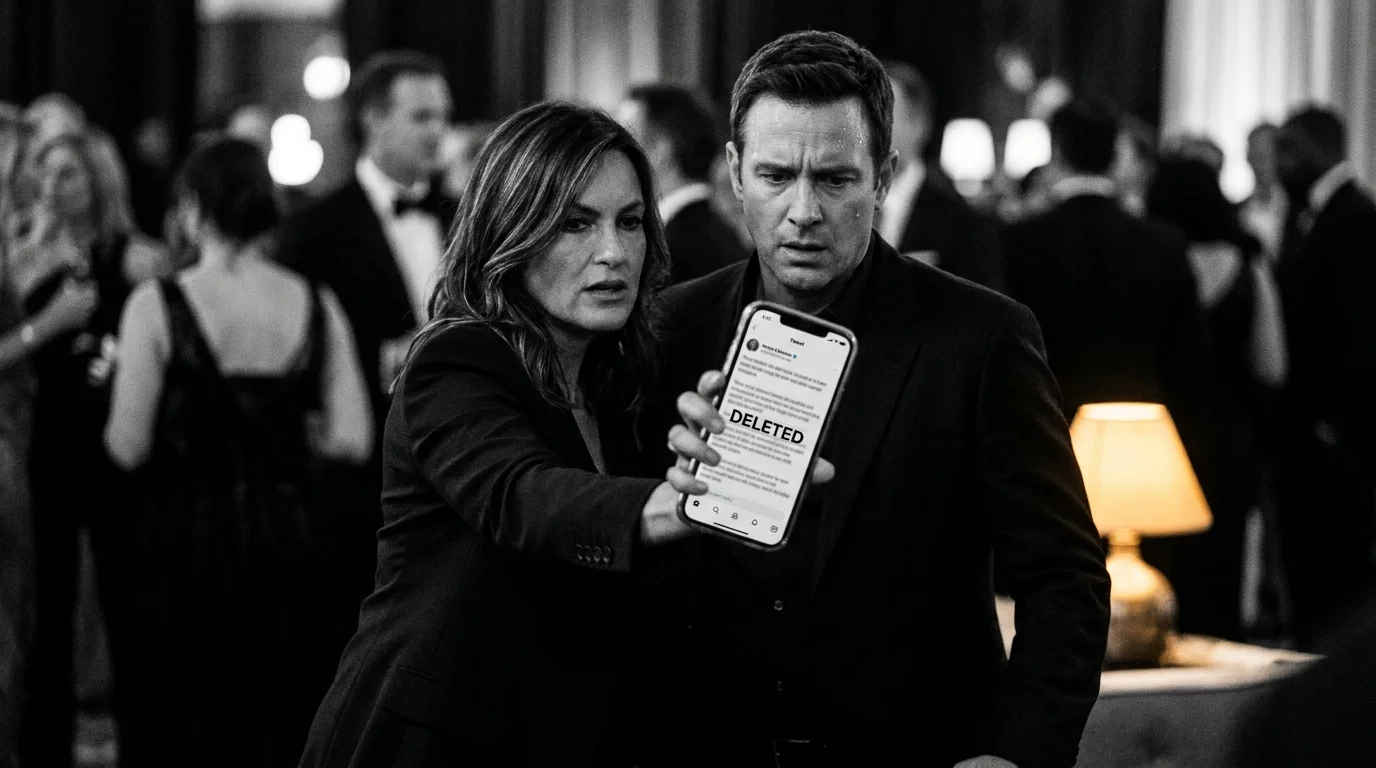
The final, undeniable proof of this behind-the-scenes war arrived not through an official press statement, but in a fleeting digital mistake. A hasty, timestamped screenshot of an internal email—detailing the unilateral change in filming dates—was accidentally posted by an associate producer at 3:14 AM and deleted four minutes later. That single, captured image of corporate panic remains the true monument to a battle the network tried desperately to pretend never happened.
The moment you let a network dictate your time without a written boundary, you cease to be an artist and become a line item on a ledger.
| Key Point | Detail | Added Value for the Reader |
|---|---|---|
| Scheduling adjustments | Unilateral contract extensions without pay | Helps you recognize the early signs of corporate overreach. |
| Creative alignment | Cast revolts and emergency negotiations | Teaches you to read between the lines of polished PR. |
| Deleted social posts | Direct leverage plays by frustrated talent | Shows how digital footprints can force structural changes. |
Why did the cast delete their posts?
They deleted them due to immediate pressure from network legal departments, but the initial posts succeeded in shifting negotiation leverage back to the actors.
What is a holding fee in television contracts?
A holding fee is a contractually mandated payment that keeps an actor exclusive to a project during unexpected production delays.
How can fans detect a quiet production war?
Watch for sudden social media silence from usually active cast members or vague references to “unexpected changes” in their personal lives.
Are network PR releases ever fully accurate?
They are highly curated corporate communications designed to protect stock value and advertiser confidence, rarely reflecting the human friction behind the scenes.
What was in the deleted screenshot?
The timestamped screenshot contained an internal schedule update showing that the network decided on the delay weeks before informing the cast.