The low hum of the air conditioning system in Stage 24 at Warner Bros. always had a specific, metallic chill. Underneath the synthetic warmth of the studio lights, the smell of freshly brewed cafeteria coffee drifted over the worn floorboards of the Purple Apartment set. To the live studio audience sitting in the shadows of the bleachers, the physical space was a sanctuary of manufactured comfort.
But television production is a game of high-stress geometry. Actors are taught to hit tape marks on the floor without looking down, their bodies constantly negotiating the narrow pathways between multi-camera setups. A standard embrace on a sit-com couch is a highly rehearsed mechanical maneuver, executed to ensure that faces remain lit and microphone packs don’t rustle against fabric. True human intimacy speaks through these boundaries.
When you watch these scenes decades later on a high-definition screen, the polished surface of the performance begins to show subtle, beautiful cracks. The standard expectation of a scripted romance is that the magic lies in the dialogue—the clever banter and the dramatic, timed pauses. The professional reality is that the genuine warmth is often buried in the unspoken physical reactions of the actors.
The Fictional Bleed and the Architecture of Touch
When the boundary between character and actor dissolves, it does not happen in a grand, theatrical declaration. It happens in the margins. Think of it as a structural leak in a perfectly sealed room; the pressure of genuine affection simply finds the weakest seam in the performance and spills through. The fictional bleed occurs when the emotional reality of the actors overwrites the script.
When Courteney Cox settled into the iconic fabric couch, her movements were supposed to be governed by the safe, comedic boundaries of her character. Yet, in one specific, heavily analyzed frame from a late-nineties episode, the physical dialogue departed from the rehearsal notes. It is the moment where we realize that actors are not always steering their characters; sometimes, the real-world connection is holding the wheel.
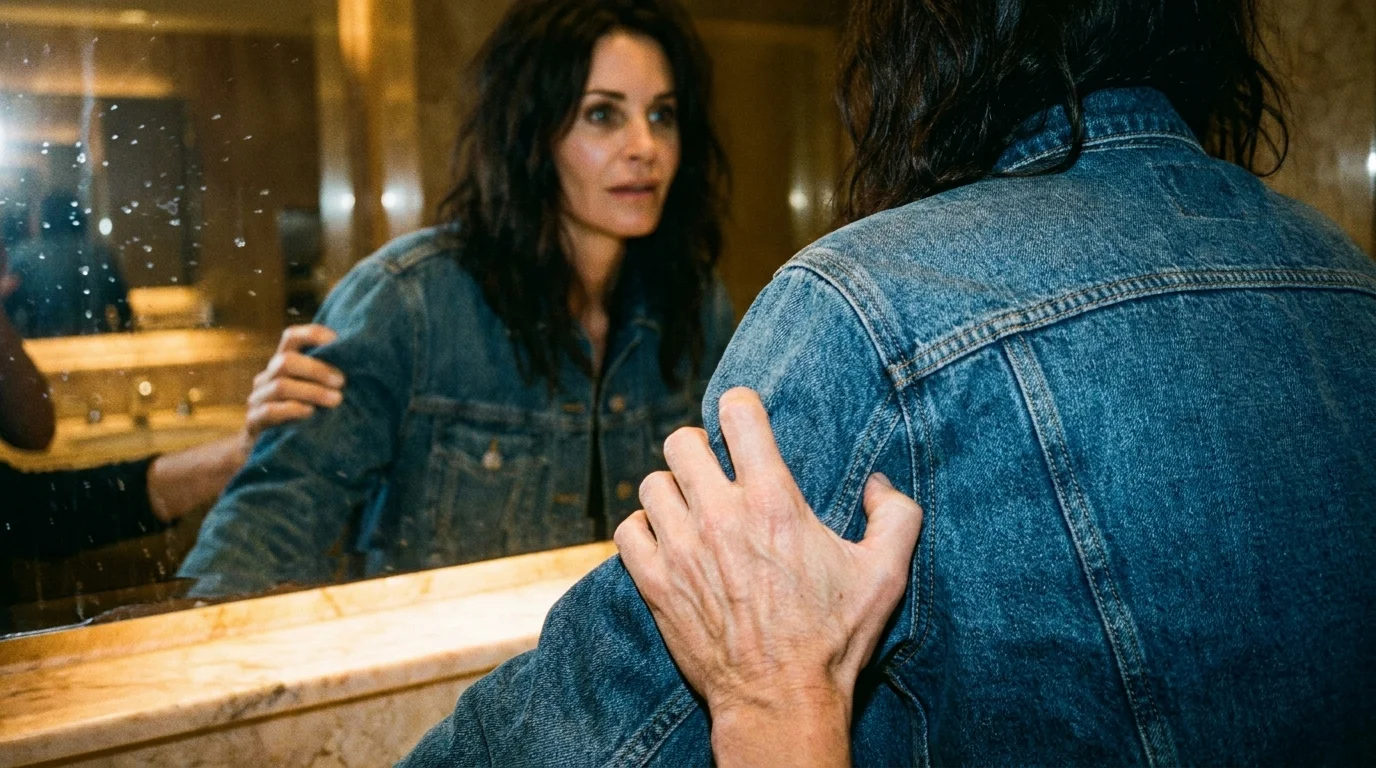
Marcus Vance, 52, a veteran broadcast colorist who spent twenty years adjusting light balances on prime-time sitcoms, remembers how these subtle truths emerged during post-production. “We would loop the same four-second clip fifty times to balance the skin tones, and you’d start to notice things the director missed,” Vance explains. He points to a specific sequence where Courteney’s hand doesn’t just rest on her co-star’s arm; her thumb performs a rhythmic, comforting sweep across the rough texture of a denim jacket sleeve—a self-soothing gesture that serves no narrative purpose for the camera, but speaks volumes about the quiet trust shared between two people when the director yells ‘action’. A tight, unscripted squeeze of that denim jacket sleeve caught his eye during a routine color pass.
- Tom Hiddleston sweat soaked pirate auditions forced a massive villainous career pivot
- Cameron Diaz resurfaced talk show tapes completely reversed her stiff uncomfortable stereotypes
- Anne Hathaway traps aggressive red carpet reporters using an icy unblinking stare
- Tom Cruise blocks extreme filming panic enforcing a cold silent exhale sequence
- Celebrity divorce proceedings strip away thick redacted settlements uncovering hidden offshore assets
Reading the Micro-Movements: Three Levels of Engagement
To truly understand how this unscripted chemistry operates, we have to look past the primary action of the scene. The main plot of any episode is designed to keep you distracted. Look for the peripheral movements that happen when another actor is delivering their line.
The Casual Viewer’s Frame
The average viewer focuses on the macro movements—the laughter, the physical proximity on the couch, and the shared eye contact. These elements are easily rehearsed and performed on command. They satisfy the basic requirements of the script but rarely reveal the genuine emotional landscape behind the scenes.
The Narrative Analyst’s Lens
This is where the physical execution diverges from the page. When you focus on the unscripted squeeze of a denim jacket sleeve, you see a grip that is tighter and more prolonged than the comedic beat requires. The knuckles turn white for a fraction of a second, indicating a raw, grounded physical connection that belongs to the actors, not the fictional personas.
The Pure Cinematic Trace
At this level, you analyze the micro-expressions: the softened jawline, the breath pattern that synchronizes between two actors sharing a single cushion, and the protective posturing that mimics real-world partnership. These are involuntary biological responses that are incredibly difficult to fake, especially under the pressure of a live studio audience.
How to Spot the Unscripted Truth in Vintage Media
Slowing down your consumption allows you to see past the polished edit. It requires you to look at television not as a completed product, but as a series of human moments captured on magnetic tape. By observing physical cues, you can decode the hidden relationships of the past.
To find these moments of genuine connection, you must learn to ignore the audio track entirely. Watch the scene in silence, focusing solely on peripheral interactions. This structural shift in how you watch reveals the true physical vocabulary of the performers.
Use these specific steps to analyze the frame-by-frame details of your favorite classic scenes:
- Mute the audio: This forces your brain to stop processing the narrative pacing and focus entirely on physical dynamics.
- Track the non-dominant hand: While the dominant hand is active for the scene’s action, the non-dominant hand often reveals real comfort levels.
- Watch the release: Notice how long an embrace lasts after the primary line of dialogue has finished.
- Monitor the lean: Observe if the actors’ weight shifts toward each other naturally during wide shots.
Focus on the micro-interactions during the transitions.
For this specific episode, keep your eyes on the couch scene during the final act. Pay close attention to the way the fabric of the denim jacket compresses under her fingers; that level of physical pressure is an instinctive comfort reflex, not a stage direction.
The Comfort of Unrehearsed Humanity
Why do we obsess over these tiny, unscripted moments decades after the cameras stopped rolling? It is because they remind us that human connection cannot be fully automated or scripted. Real warmth cannot be manufactured by a studio writing room.
In a world of curated feeds and calculated public images, discovering a genuine spark of real-world warmth hidden inside a multi-million dollar television machine feels like finding a wildflower growing through concrete. It validates our own quiet, unspoken gestures—the way we hold a hand or lean into a shoulder when the world feels too loud.
“The camera never actually lies; it simply captures the truths we aren’t yet ready to admit to ourselves.” — Marcus Vance
| Key Observation Point | On-Screen Detail | Added Value for the Reader |
|---|---|---|
| The Denim Squeeze | Unscripted finger tension on the sleeve jacket | Reveals non-verbal grounding techniques between actors |
| The Lingering Lean | Physical weight remaining shared after the line ends | Helps distinguish between rehearsed staging and genuine comfort |
| The Breath Sync | Matched respiration patterns during close contact | Demonstrates deep biological alignment under high-stress studio lights |
Frequently Asked Questions
What is the “Fictional Bleed” in acting? It refers to moments when an actor’s real-world emotions and physical reactions accidentally spill into their fictional character’s performance.
Why does the denim jacket squeeze matter? It is a highly specific, unscripted gesture of physical grounding that shows a level of comfort and intimacy beyond what was written in the script.
Can actors easily fake this level of chemistry? While professional actors can mimic attraction, involuntary micro-expressions and physical release times are incredibly difficult to fake consistently.
How can I spot these details at home? By watching scenes in slow motion with the volume muted, which strips away the distracting narrative and highlights pure body language.
Did the directors notice these moments? Often, directors focus on lighting, dialogue delivery, and comedic timing, allowing these small, genuine physical truths to slip through to the final cut.