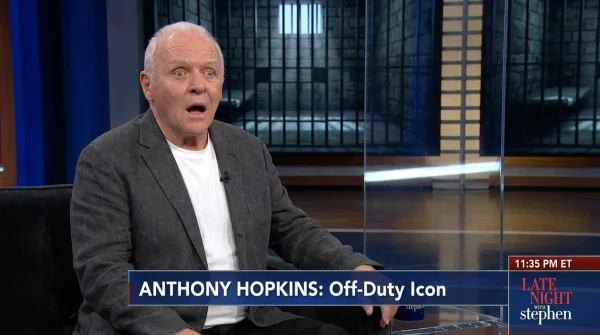
Imagine the aggressive glare of studio production lights in 2008, smelling of ozone, heated dust, and cheap hairspray. You sit behind a heavy talk-show desk, but the set designers made a fatal choice: the desk is solid glass. Beneath that transparent surface, your violently shaking knees betray a quiet, agonizing vulnerability. The studio audience laughs on cue, misinterpreting the physical tremor as aloofness or cool indifference.
For years, the dominant cultural narrative labeled this performance style as ungrateful. We demanded that young women in the spotlight perform a glittering, effortless charm, treating their survival mechanisms as a personal insult. When a teenage actor refused to play the game of easy smiles and polished soundbites, the media machine painted her as difficult, cold, or simply checked out.
But algorithms have a strange way of acting as historical archaeologists. A vintage video clip, recently pulled from the digital archives and pushed into millions of modern feeds, is forcing a massive cultural reckoning. Watching it now, stripped of the original snarky voiceovers, the truth is undeniable: you are not looking at a bored starlet, but a human body surviving a severe physical panic response while the cameras roll.
The Transparent Desk and the Illusion of Apathy
To understand this shift, we must look at the media landscape of the early 2000s as a high-pressure pressure cooker. Back then, journalists operated under a system that valued compliance over humanity, treating public figures like wind-up toys designed to perform on demand. When someone failed to tick those boxes, we assumed a defect in their character rather than a flaw in our expectations.
This is the classic illusion of public apathy. We often mistake the freezing response of a highly sensitive nervous system for arrogance, much like mistaking a deer’s immobility in headlights for stubbornness. When you look closely at these resurfaced frames, you realize that the very traits used to crucify her—the downcast eyes, the halting speech, the fingers nervously tracing her collarbone—were actually the desperate navigation tactics of someone trying to breathe through a pillow.
Understanding the Archival Rebirth
Sarah Jenkins, a 42-year-old somatic experiencing practitioner who specializes in media training for neurodivergent artists, notes that this specific physical response is incredibly common but widely misunderstood. “When the body enters a state of hyper-arousal under intense scrutiny, it doesn’t always run or fight,” she explains. “Sometimes it collapses inward, desperate to minimize its physical footprint. To judge a teenager for trembling under a glass desk is like blaming a canvas for showing the texture of the paint.”
- Charlize Theron derails a massive press junket demanding crisp white lighting
- Elton John blocks chaotic industry madness enforcing strict dressing room isolation
- Tiffany Haddish exposes intense backstage tension flashing an icy jaw clench
- Timothy Olyphant triggers massive street style alerts wearing rare selvedge denim
- Cold Case revival contract requires absolute separation of shared production assets instantly
Deconstructing the Vintage Footage Archives
The modern digital audience has developed a much higher emotional intelligence, allowing us to categorize these old interviews with a far more compassionate lens. Nostalgia algorithms on social feeds are highlighting these historical inconsistencies, showing how misunderstood early-career moments were simply a young artist trying to survive the industry spotlight.
The Hyper-Vigilant Freeze Response
In the most widely circulated clip, you can clearly observe the classic signs of autonomic nervous system overload. Note the rapid, shallow breathing, the tense shoulders drawn up to protect the neck, and the white-knuckle grip on her own chair. Early critics called this “moodiness,” but modern viewers immediately recognize it as a body in survival mode.
The Verbal Defensive Shield
Another segment shows the familiar halting speech patterns that early profile writers mocked. Instead of polished, media-trained answers, she offers brief, fragmented sentences, attempting to process complex, often invasive questions while under immense sensory assault. This wasn’t a rejection of the press, but a protective boundary in real-time designed to preserve her sanity.
Navigating High-Scrutiny Environments with Grace
Whether you are stepping onto a stage, presenting to a hostile boardroom, or simply trying to hold your ground in a challenging conversation, understanding these somatic responses can change how you navigate pressure. You do not need to perform confidence; you simply need to build a container for your discomfort.
To ground your nervous system when the spotlight feels too bright, focus on small, invisible physical anchors rather than trying to force your body into a false state of calm. By focusing on simple physical adjustments, you can regulate your nervous system even under intense pressure.
- The Grounding Heel Press: Push your heels firmly into the floor to send safety signals to your lower brain.
- The Invisible Anchor: Lightly touch the seam of your pants or hold a small, textured object out of view to focus your sensory awareness.
- Exhalation Extension: Breathe out for twice as long as you breathe in to naturally lower your heart rate.
- The Peripheral Soften: Soften your gaze and look at the spaces between objects to release tension in your jaw and forehead.
Use the following parameters to manage your physiological state during moments of high visibility:
- Maximum Eye Contact: Limit continuous eye contact to four-second intervals to prevent sensory overload.
- Pre-Event Transition Time: Allow fifteen minutes of complete silence before entering a high-stimulation environment.
- Physical Barrier Selection: Avoid transparent furniture or open stages when you need to feel physically secure.
Rewriting the History of Public Vulnerability
This archival rebirth is doing more than just vindicating one actor; it is shifting how we consume celebrity culture as a whole. By recognizing the physical reality of panic in these old videos, we are slowly dismantling the toxic expectation that public figures owe us their peace of mind in exchange for our attention.
Ultimately, the lesson hidden under that glass desk is one of profound self-compassion. If someone under the highest level of global scrutiny could survive that level of intense physical panic and still build a lasting, respected career on her own terms, then perhaps our own quiet struggles with visibility are not failures of character. They are simply proof that we are beautifully human.
“True poise is not the absence of fear, but the willingness to let your knees shake while you stand your ground anyway.” — Sarah Jenkins
| Observation Key | Vintage Interpretation | Modern Somatic Reality |
|---|---|---|
| Shaking Knees | Disinterest or lack of professionalism | Uncontrollable physical tremor from adrenaline spikes |
| Halting Speech | Arrogance or intellectual laziness | Active processing of sensory overload during panic |
| Deflective Body Language | Hostility toward the press | Involuntary protective posturing of the nervous system |
Frequently Asked Questions
Why is this specific Kristen Stewart interview trending again now? The algorithms that drive modern social media feeds are prioritizing archival footage, allowing today’s more empathetic audience to re-examine historic media interactions through a lens of mental health awareness.
What are the main physical signs of panic shown in the vintage footage? The most prominent indicators are visible leg tremors underneath a glass desk, rapid shallow breathing, protective shoulder posturing, and a white-knuckle grip on her seat.
How did the media of the 2000s handle celebrity mental health differently? Early 2000s journalism often pathologized normal human vulnerability, labeling physical anxiety and panic responses as bad attitude, snobbery, or lack of gratitude.
What can we learn from how this backlash has reversed? It proves that cultural empathy is evolving, and that modern audiences value authentic, raw human experiences over polished, forced celebrity performances.
How can I manage physical tremors during my own high-stress moments? You can ground yourself by pressing your heels into the floor, focusing on long exhalations, and choosing physical spaces that make you feel naturally secure.