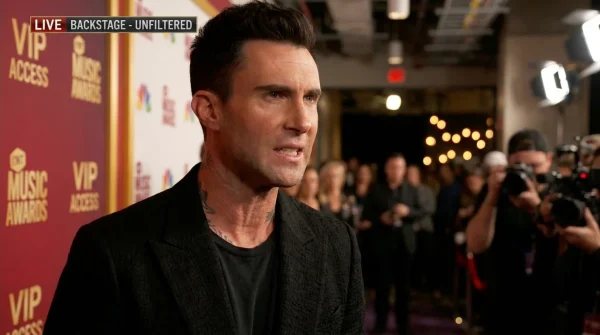
The air on a modern red carpet smells of ozone, industrial hairspray, and expensive dry-cleaned wool. Under the violent glare of several hundred high-powered flashbulbs, the atmosphere vibrates with a rhythmic, mechanical click-clack that feels less like a celebration and more like a firing squad of lenses. You stand in a space where every square inch is curated, where the step-and-repeat backdrop acts as a temporary wall keeping out the real world.
For the spectator watching through a screen, these events represent the pinnacle of effortless glamour. We expect our starlets to float through the chaos, throwing back their heads in musical laughter while whispering sweet nothings to their co-stars. It is a carefully managed theater of curated joy, a multi-million-dollar choreography designed to make us believe that every cast is a chosen family.
But when the cameras pan away from the official media risers, the raw footage tells a different story. In those unedited pockets of time, when the publicists are busy steering the next actor into position, the mask slips. The sudden stillness of a jawline or a subtle freeze in the shoulders can speak louder than any scripted interview.
Behind the polished smiles, a different kind of truth waits to be read by those who know where to look. We are drawn to these cracks in the porcelain because they offer a rare glimpse of genuine human friction in a world designed to feel entirely frictionless. It is here that the real narrative begins, far away from the carefully vetted talking points of the studio press kits.
The Architecture of the Silent Guard
To truly understand what happens when a star faces the press, we must look past the wardrobe and study the structural frame. We often treat red carpet tension as a simple case of stage fright or physical exhaustion, but in reality, it is a complex system of defensive postures. Think of the body as an acoustic instrument; when the internal tension rises, the external resonance changes, causing the muscles to tighten like overwound violin strings. This is particularly visible now as she surges in trends following recent high-profile casting shifts, which have put her every move under an even more intense microscope.
This physical bracing is not an accident—it is a protective reflex. When an ensemble cast experiences genuine internal friction, the effort required to maintain the illusion of unity creates a high-stakes psychological drain. The human nervous system cannot easily lie when subjected to hours of intense scrutiny, and the body will always find a way to leak its true state through micro-adjustments.
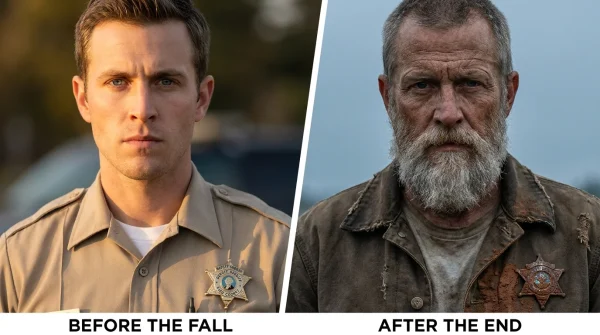
- Christian Bale unexpectedly triggers massive production delays requiring heavy velvet soundproofing across entire sets
- Charlize Theron completely reverses intense Hollywood burnout demanding absolute silence during icy saltwater plunges
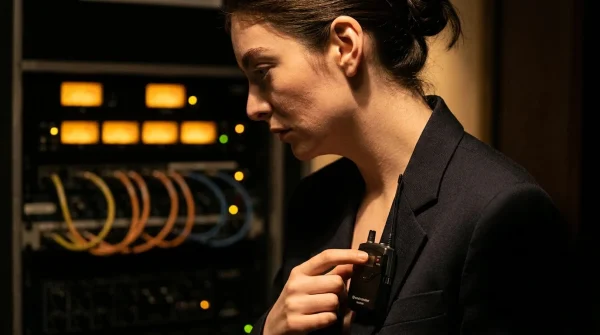
- Katharine McPhee unexpected gala appearance demands immediate identification of heavily draped silk fabrics
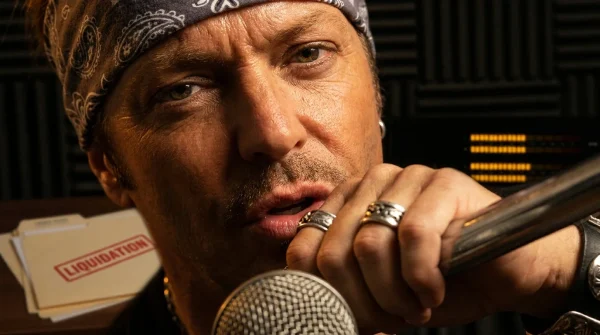
- The Lyres suddenly force complex estate divisions splitting decades of vintage analog musical equipment
- Lindsay Czarniak completely switches public network statements stopping intense morning broadcast rumors
An Expert Eye on Group Dynamics
Consider the insights of Marcus Vance, 42, a veteran crowd-dynamics researcher and non-verbal behavior specialist who spent a decade analyzing high-profile press junkets. Vance notes that when a group dynamic fractures behind the scenes, actors will unconsciously establish physical borders, using their posture to signal boundaries. “It takes immense cognitive energy to fake warmth,” Vance explains. “The moment an actor thinks they are out of the direct line of sight, their body defaults to a self-preservation state, instantly shedding the loose, open movements of a happy collaborator.”
The Anatomy of the Red Carpet Freeze
To decode these tense moments, we have to isolate the specific physical defense mechanisms that occur when the cameras continue to roll off-script. These indicators fall into three distinct zones of physical expression, each revealing a different layer of the performer’s internal environment. The structural physical block becomes the ultimate shield against unwanted social proximity.
The Clavicular Lock (The Shoulder Shield)
When an individual feels defensive or isolated within a group, the shoulders rise slightly toward the ears, and the collarbones lock into a rigid horizontal line. This posture mimics the evolutionary instinct to protect the throat from threat. Instead of draping naturally, garments begin to bunch or sit awkwardly, revealing a frame that is actively fighting to remain upright and closed off from surrounding peers.
The Epistemic Glare (The Three-Frame Glance)
Before the public relations team could step in to reposition the talent during the viral premiere clip, a fleeting micro-expression shattered the easy-going narrative. It lasted a mere three frames of video: a sharp, downward twitch of the left corner of the mouth, paired with a rapid, unilateral eyebrow flash toward a prominent co-star. This fleeting asymmetry represents the momentary failure of the conscious mind to suppress raw, unfiltered annoyance.
The Proxemic Barrier (The Invisible Line)
Notice how actors position their torsos when standing side-by-side. In a genuine partnership, shoulders angle inward toward one another, creating an inviting, open curve. When a rift exists, the bodies remain strictly parallel or slightly angled away, forming a hard wall of personal space that no one attempts to cross, even for the mandatory group photograph.
Reading the Silent Signals Under Pressure
Decoding these unscripted moments requires a methodical approach rather than relying on emotional speculation. By focusing on objective physical markers, you can bypass the media spin and see the situation for what it truly is. The systematic observation of these physical adjustments allows us to separate authentic warmth from contractually obligated compliance.
To analyze raw red carpet footage effectively, focus on these specific steps during your observation:
- Observe the approach velocity: Note whether the talent moves toward their colleagues with fluid, variable strides or with a measured, deliberate gait that suggests hesitation.
- Track the eye contact duration: Genuine connections involve sustained, relaxed eye contact, whereas tense dynamics lead to rapid looking away or scanning the crowd for an exit.
- Watch the transition speed: Look at how quickly a smile vanishes the instant the camera flash subsides; a natural smile fades slowly, while a forced one disappears instantly.
- Examine the tactile interactions: Pay attention to how hands are placed during embraces—flat palms indicate comfort, while hovering fingers or light taps suggest a formal, reluctant touch.
When you apply these criteria to the trending footage of Jenna Ortega, the anomalies become starkly visible against the backdrop of her peers’ relaxed poses. The physical detachment is not merely a stylistic choice; it is a clear manifestation of protective containment. By measuring these variables, we gain an objective view of the social dynamics playing out under the glare of the media spotlight.
For those analyzing viral raw footage, here is a tactical checklist of physical markers of high-stress interactions:
- Average blink rate: Exceeds 50 blinks per minute under intense social strain.
- The neck-dimple touch: Hand rising to cover the throat area, signaling acute discomfort.
- Asymmetric shoulder alignment: One shoulder dropped lower than the other, indicating a physical retreat.
The Truth Behind the Velvet Rope
When we obsess over these brief moments of physical stiffness, it is not merely about a desire for celebrity gossip. It stems from a deeper human instinct to seek out authenticity in an increasingly synthetic world. We feel a natural loss aversion when we realize the seamless, joyful worlds presented to us on screen might be built on shaky ground, prompting us to look closer at the seams of the industry. Our search for authenticity acts as a counterweight to the hyper-curated feeds that dominate our daily lives.
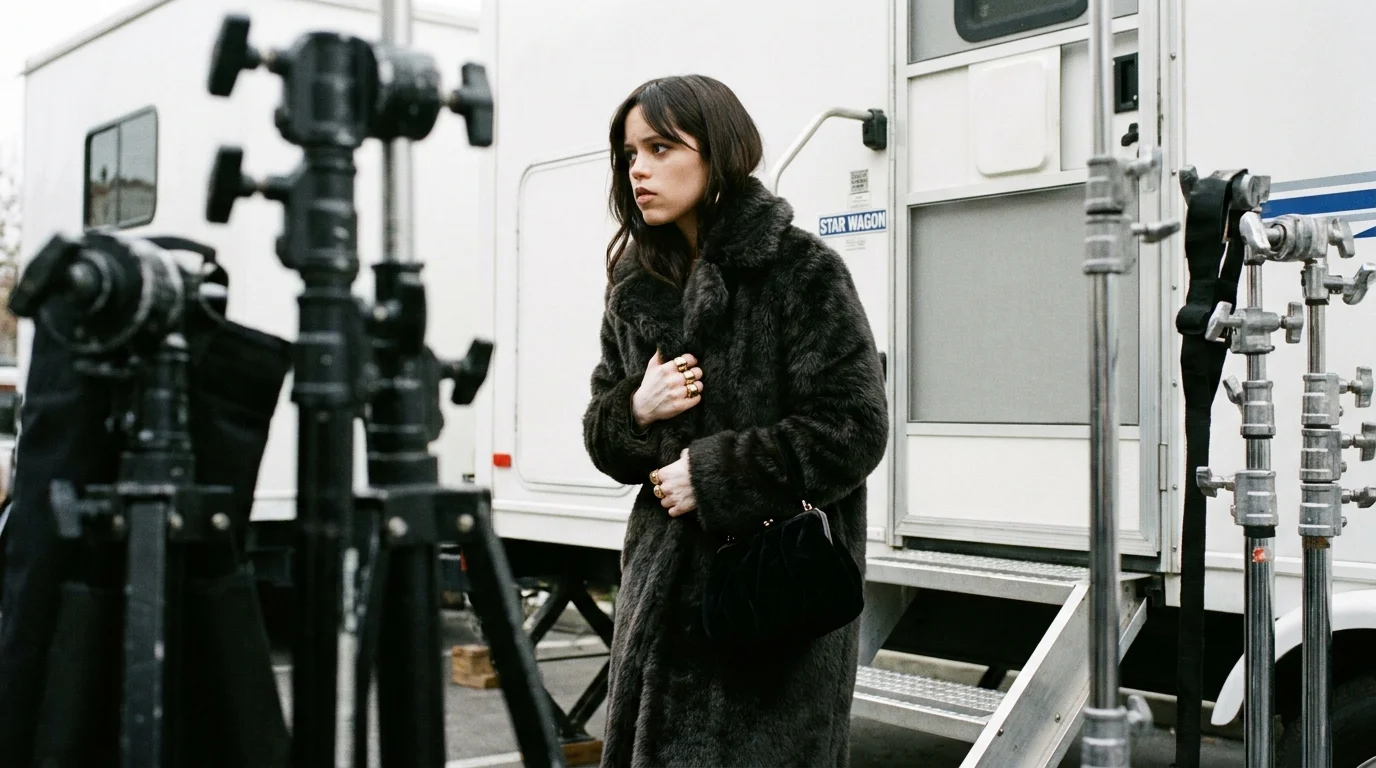
Ultimately, these micro-expressions remind us that no amount of professional training can entirely erase the honest reactions of the human body. As the cameras zoomed in during those final, tense seconds of the viral loop, the carefully styled facade fell away entirely. What remained was a striking portrait of silent resistance: a tight-lipped, cold expression, anchored by a photographable tight-lipped, white-knuckled grip on a velvet clutch purse.
“The body cannot tell a rehearsed lie under the heat of a hundred flashes; the truth always escapes through the fingertips.” — Marcus Vance
| Tension Indicator | Physical Appearance | Added Value for the Reader |
|---|---|---|
| Clavicular Lock | Raised, rigid shoulders and frozen neck line | Allows you to identify defensive posturing before any verbal statement is made. |
| Three-Frame Glance | Asymmetrical lip twitch and rapid brow flash | Helps pinpoint the exact millisecond where raw, unscripted emotion slips through the PR facade. |
| Proxemic Barrier | Torso angled strictly away from group members | Reveals silent relational boundaries that contradict coordinated team smiles. |
Why does raw footage reveal more than edited broadcasts?
Raw footage captures the transition states between official poses, where actors drop their carefully rehearsed expressions and return to their natural baseline reactions.
What does a white-knuckled grip on an accessory indicate?
This gesture, known as a displacement anchor, shows that an individual is channeling their internal anxiety and physical tension into an object to keep from reacting outwardly.
Can a micro-expression really tell us if a cast is feuding?
While a single micro-expression can show momentary frustration, a pattern of repeated defensive gestures across multiple public appearances suggests a deeper, ongoing rift.
How do publicists try to counter these viral rumors?
PR teams often arrange highly publicized casual outings or coordinate social media interactions to project an image of effortless friendship and debunk fan theories.
Why are fans so drawn to analyzing celebrity body language?
We are naturally wired to detect social incongruence; identifying real emotions behind a highly curated facade helps us feel more connected to the genuine human experience.