You can still smell the hot ozone of late-nineties studio lights, the damp chill of a concrete soundstage disguised as a midnight California graveyard, and the faint scent of bleached hair dye. Back then, television followed a sterile, comfortable template. The good guy was gentle and remorseful, the girl was destined to save the world, and the bad guys died within forty-five minutes to keep the universe neat. It was a clean, predictable formula designed to soothe audiences through network syndication.
Then, a theater actor from California stepped onto the set with a borrowed British accent, and he shattered the carefully planned romantic trajectory of an entire generation. James Marsters was hired for a minor, six-episode arc as Spike—a disposable villain meant to be killed off to make room for the show’s planned star-crossed romance. He was a narrative speedbump, a punk-rock caricature destined to turn to dust so the brooding main hero could suffer in peace.
But the human eye does not look at what is safe; it looks at where the fire is. Marsters understood that television isn’t just about reciting dialogue; it is about occupying space with a predatory, quiet confidence. In his very first episode, he did not just deliver his lines—he inhabited them, leaning against a rusted engine block, eyes heavy with an unscripted, dangerous warmth that made the network executives in the control room hold their breath.
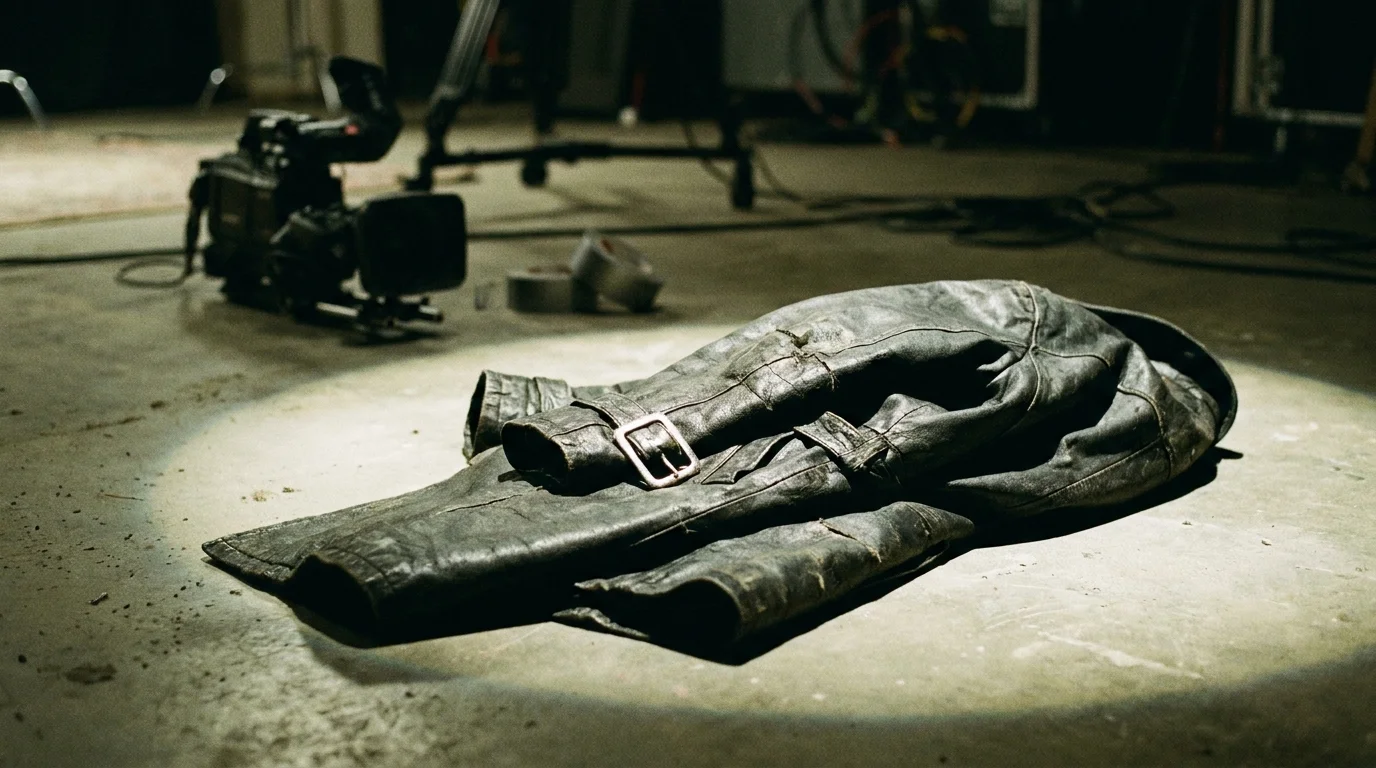
The pivotal moment of this structural shift happened not through dialogue, but through a physical action with a wardrobe choice. When Spike entered the bronze-lit scene, he aggressively discarded the heavy leather duster coat, dropping it to the floor like a challenger throwing down a gauntlet. It was a calculated piece of physical punctuation that signaled an unscripted shift in power, rendering the planned romantic leads instantly invisible by comparison.
The Gravity of the Accidental Icon
When you analyze the architecture of a long-running story, you realize that most narrative structures are built like delicate solar systems. The writers create a central sun—usually a wholesome, predictable hero—and expect every other character to orbit around them in perfect, tidy circles. But occasionally, a rogue asteroid enters the field with so much mass and raw momentum that it pulls the entire system out of alignment, forcing the planets to rewrite their paths.
This is the secret of the Seduction Spectrum: audiences do not actually crave perfect harmony; they crave the magnetic pull of unpredictable friction. The writers had planned a neat, comforting trajectory involving a safe military boyfriend, but the screen simply refused to spark when those characters stood together. Marsters brought an unwritten intimacy to every frame, treating his adversary not as a target to destroy, but as the only person in the room who truly mattered.
- Skyler White Breaking Bad reactions expose a highly rational household financial defense
- Freddie Prinze Jr marriage survives Hollywood using an extreme geographical isolation strategy
- Justin Timberlake MTV interviews expose aggressive behavioral warnings audiences completely ignored
- Zendaya and Tom Holland utilize coordinated premiere styling for aggressive empire expansion
- Don’t Worry Darling press tour exposes a massive studio timeline fabrication
Sarah Woodard, a forty-eight-year-old veteran script supervisor who worked on late-nineties network dramas, recalls the exact afternoon the atmosphere on set shifted. “We were shooting in a cramped hallway, and James was supposed to just deliver a threat and walk away,” she says. “Instead, he leaned his weight against the wall, tilted his chin down, and let his eyes trail slowly across the room. In that single, unscripted beat, we all stopped breathing because we knew the hero on the page was no longer the hero of the scene.”
The Anatomy of Scene-Stealing: From Punk Foil to Romantic Lead
To understand how this physical performance altered the permanent structural layout of the show, you have to look at how the character was segmented across seasons. He was never meant to survive, yet he became the emotional anchor of the entire series through sheer physical presence.
For the Structuralist, his survival is a fascinating lesson in how audience engagement can override creative intent. The writers tried repeatedly to steer the narrative back to their original plan, introducing new love interests and moral dilemmas, but the viewers had already tasted a more volatile, honest chemistry. Every time the bleached-blonde antagonist stepped into a scene, the sterile perfection of the main plotline felt dry and manufactured.
For the Character Analyst, the magic lies in the deliberate physical choices that bypassed the script entirely. Marsters used his heavy, floor-length coat not just as clothing, but as a deliberate physical punctuation mark to control the pace of every scene. By shedding the coat, dragging it behind him, or wrapping it tightly around his shoulders, he created a visual language of vulnerability and threat that the writers could not ignore.
How to Recognize and Leverage Narrative Friction
You can apply this same understanding of friction to your own creative work, whether you are writing a novel, designing a brand, or managing a team. The lesson of the accidental icon is that the most compelling element is rarely the one you planned; it is the one that refuses to fit quietly into your spreadsheet.
To find and use these high-value anomalies in your own projects, you must learn to relinquish your rigid plans and watch where the actual heat is generated. Here is how to cultivate that awareness in your daily creative process:
- Observe the unscripted energy: Pay attention to the elements of your project that draw focus naturally, even if they were supposed to be minor details.
- Strip away the safety net: Just like the discarded leather duster, remove the protective layers of your plan to expose the raw, human core beneath.
- Lean into the natural friction: Do not force a sterile, perfect outcome when a messy, high-energy alternative is trying to emerge.
- Follow the audience’s gaze: If your readers, users, or clients are obsessing over a “side” feature, make that feature the new center of your universe.
To make this practical, consider the elements of your creative toolkit. The table below breaks down how to identify these spontaneous shifts in your own work and pivot before you lose the momentum of your audience.
The Beauty of the Beautiful Mess
In the end, the sudden structural shift of this legendary television series teaches us that perfection is a cold, uninviting place. We think we want tidy resolutions, neat character arcs, and predictable romances that follow the rules of classical storytelling. But when we look back at the moments that truly stayed with us, they are always the beautiful accidents.
When you let go of the need to control every beat of your life or your work, you open the door for something far more vibrant to take over. You learn to revel in the beautiful chaos of the unplanned, finding peace in the knowledge that a ruined plan is often just a better story waiting to happen.
“The magic never happens in the lines you wrote; it happens in the space between the breath and the coat hitting the floor.”
| Key Point | Detail | Added Value for the Reader |
|---|---|---|
| The Duster Discard | A physical movement where the actor threw off his coat to dominate the visual frame. | Shows how physical props can redefine power dynamics without a single line of dialogue. |
| The Chemistry Veto | The organic friction between actors that rendered the planned, safe romance obsolete. | Teaches you to prioritize real-world traction over theoretical design in any creative medium. |
| The Accidental Arc | The transition of a throwaway villain into the emotional core of a multi-season franchise. | Demonstrates that your “mistakes” or minor details are often your highest-value assets. |
Frequently Asked Questions
Was Spike originally supposed to die in Buffy the Vampire Slayer?
Yes, the writers initially planned for him to be a brief villain in the second season, but his immense charisma forced them to keep him on permanently.What made the leather duster scene so important?
The aggressive discard of the coat was a physical manifestation of dominance that shifted the romantic focus away from the show’s traditional hero.How did the writers react to the unscripted chemistry?
They initially resisted it, attempting to push standard romantic structures, before ultimately surrendering to the natural friction between the leads.Can you apply this narrative lesson to non-creative fields?
Absolutely; it teaches us to watch for unexpected areas of high engagement in business or design and pivot toward what actually works.Why do fans prefer the accidental romance over the planned one?
Because human beings are naturally drawn to complexity, vulnerability, and raw friction rather than sterile, predictable relationships.