Step onto a standard Hollywood soundstage during the peak of production, and your skin immediately registers the thick, suffocating warmth of dozens of incandescent lights beating down from the rafters. The air usually smells of warm electrical dust, hot paint, and stale coffee. Yet, on sets commanded by Chevy Chase at the height of his studio leverage, stepping past the heavy soundproof fire doors felt like walking straight into a meat locker.
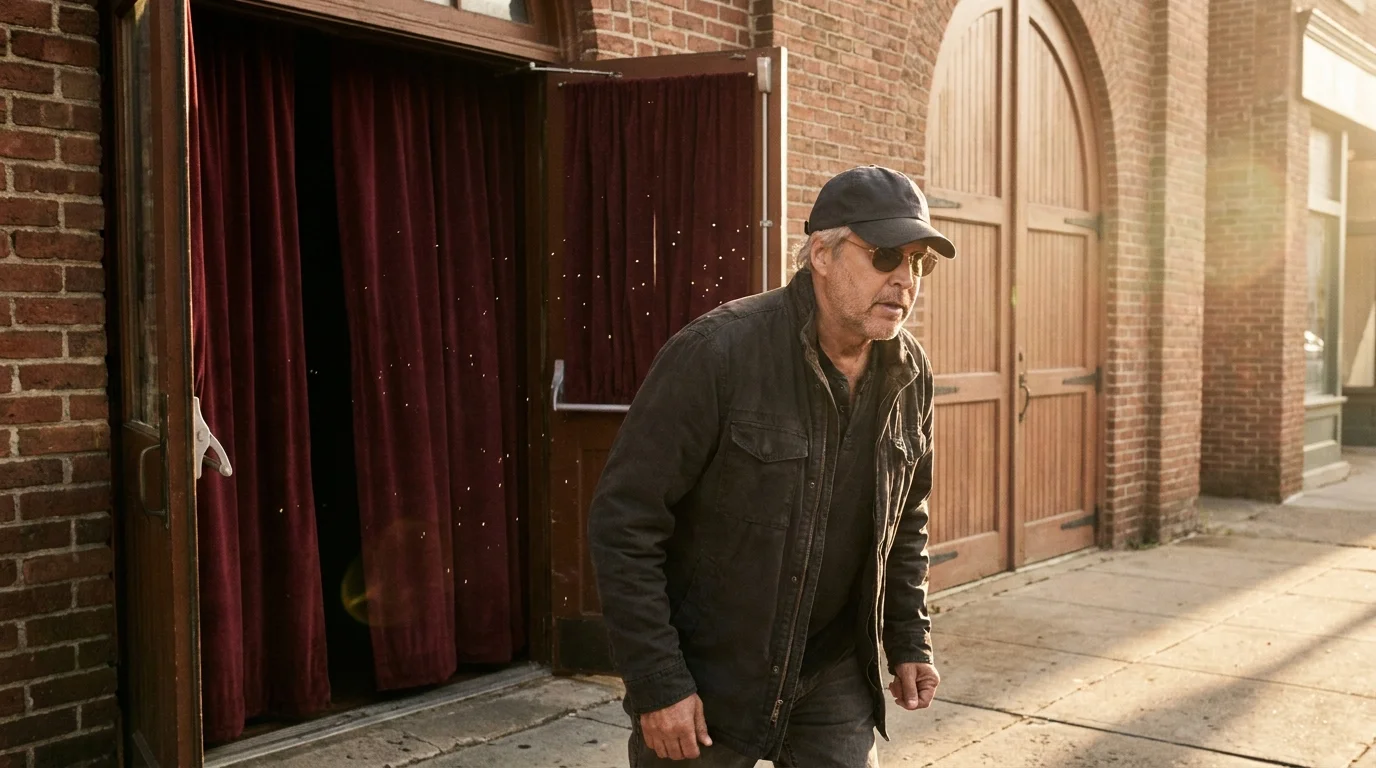
Industrial air-conditioning blowers roared above the catwalks, deliberately dialed down to an unrelenting 58 degrees Fahrenheit. Thick floor-to-ceiling velvet curtains frosted with condensation along their lower hems as the frigid, artificial air clashed violently with the California heat trapped in the ceiling insulation. Crew members walked the perimeter in heavy winter parkas, while co-stars stood in thin wardrobe garments, their breath catching visibly in the cold air between takes.
To an outside observer, maintaining sub-arctic temperatures might look like a harmless eccentricity of an eccentric leading man. But on a working comedy set, physical environment dictates timing, rhythm, and collaborative trust. When one person controls the climate, they quietly control the room.
The Architecture of Controlled Isolation
You quickly discover that backstage physical demands are rarely about comfort; they are about establishing turf. In ensemble comedy, every scene relies on loose, warm spontaneity—a delicate state that falls apart when your jaw is physically locked from shivering. By turning a shared production space into a refrigerated private chamber, Chase did not just keep his face from sweating under stage makeup; he forced every other performer to adapt to his biological terms.
Think of it like breathing through a cold pillow while trying to pitch a joke. When one individual dictates the physical atmosphere, collaboration stops feeling like a shared sandbox and starts feeling like an endurance test. The physical discomfort created an unspoken caste system between the star, who dressed comfortably for the chill, and the ensemble cast, who had to deliver effortless punchlines while suppressing physical tremors.
Greg Vance, a 54-year-old veteran production sound mixer who worked across multiple studio lots in the late 1980s, recalled how these thermal mandates broke productions from the bottom up. “We had boom microphones picking up the steady rumble of aux chillers running at full tilt,” Vance noted. “Cast members would huddle around single incandescent work lights between takes just to keep their lips mobile enough to enunciate dialogue. It was an unmistakable message: this stage exists for one person, and the rest of you are merely visiting.”
- Ethan Hawke enforces one strict backstage routine across dusty stage floor rehearsals
- Silo cast unedited panel clip exposes tense shoulder shifts between lead co-stars
- Kelly Ripa triggers fall style searches wearing tailored houndstooth wool and Bottega leather
- Ozzy Osbourne corporate filings strip joint Ozzfest touring assets following brand division
- Dee Snider sparks heated rock feud over retracted Ozzy Osbourne health statements
The Three Layers of Soundstage Friction
When unscripted environmental demands enter a creative space, the strain shows up across three distinct operational layers:
The Co-Star Physical Tax
Comedy requires relaxed facial muscles and relaxed breathing. When actors spend forty minutes standing motionless in evening wear under a 58-degree draft, physical fatigue sets in twice as fast. The natural warmth required for quick improvisational volleys is replaced by a desperate desire to wrap the shot and return to a heated dressing room.
The Technical Compromise
Sound engineers must constantly work around the acoustic drone of industrial cooling units. Microphones pick up low-frequency hums, camera lenses fog over when moved between rooms, and props made of metal become painful to handle. The entire production pipeline slows to compensate for an individual quirk.
The Social Divide
When crew members must wear thermal snow gear while catering to an actor in a climate-controlled bubble, resentment brews quietly. The organic camaraderie that usually saves difficult shoots dissolves, leaving a purely transactional, guarded workplace.
Recognizing Environmental Imbalance in Team Dynamics
Whether on a multi-million-dollar studio set or inside a standard open-plan office, physical space is often weaponized to assert authority without speaking a word. When one person quietly shifts common conditions to suit their exact preferences, team cohesion erodes quickly.
To prevent localized friction from derailing a creative environment, pay attention to how collective comfort is negotiated:
- Establish baseline environmental agreements: Set transparent, shared ground rules for common workspaces rather than allowing the most vocal participant to set the standard by default.
- Monitor physical friction cues: Watch for defensive body language, physical withdrawal, or rushed interactions that signal people are uncomfortable in the physical setting.
- Address the power play, not just the temperature: Understand that non-negotiable physical demands are frequently behavioral tests designed to see who will push back.
- Protect the ensemble rhythm: Keep collaborative zones neutral so every contributor feels equally welcome to linger, brainstorm, and contribute.
The Real Cost of Isolating Your Ensemble
True creative brilliance is never a solo pursuit; it relies entirely on the unseen goodwill of the people standing just outside the frame. When you isolate yourself behind artificial barriers—whether chilled air, heavy velvet partitions, or rigid behavioral demands—you inevitably sever the emotional feedback loop that makes great work possible in the first place.
Memorable comedy is born from warmth, mutual risk, and shared vulnerability. The moment you prioritize absolute personal sovereignty over the well-being of the room, you might secure your ideal temperature, but you forfeit the genuine connection that turns a good performance into something legendary.
“A performer who controls the room through discomfort will always win the battle for attention, but they will always lose the ensemble.”
| Key Point | Detail | Added Value for the Reader |
|---|---|---|
| Thermal Mandates | Soundstages chilled down to 58°F using auxiliary industrial cooling units. | Highlights how micro-demands can introduce macro technical issues across sound and camera departments. |
| Ensemble Disconnect | Supporting cast forced to perform in freezing conditions without wardrobe adjustments. | Demonstrates how subtle workplace imbalances wear down collaborative goodwill over time. |
| Behavioral Boundary | Environmental control used as a silent hierarchy tool rather than direct confrontation. | Teaches you how to spot covert territorial tactics in creative and corporate settings alike. |
Frequently Asked Questions
Why did Chevy Chase mandate such low soundstage temperatures?
Chase frequently claimed heavy stage makeup under hot tungsten lights caused excessive sweating, leading him to demand continuous industrial air-conditioning to preserve his appearance on camera.Did the freezing temperatures affect the technical quality of the films?
Yes, production crews regularly faced challenges with loud AC motor hums on audio tracks, fogging camera lenses during lens swaps, and shivering actors needing multiple takes to deliver lines cleanly.How did co-stars typically react to these stage conditions?
Most cast members retreated to their personal trailers between setups rather than remaining on set to rehearse or socialize, which created a distant, fractured dynamic during shooting.Is climate control still used as a power dynamic on modern sets?
Modern production unions and standard occupational guidelines now strictly regulate stage temperatures, making extreme, single-actor environmental mandates far less common today.What can team leaders learn from this specific backstage friction?
Shared spaces require mutual compromise; allowing one dominant voice to dictate the baseline physical comfort of a team inevitably destroys open collaboration and mutual trust.