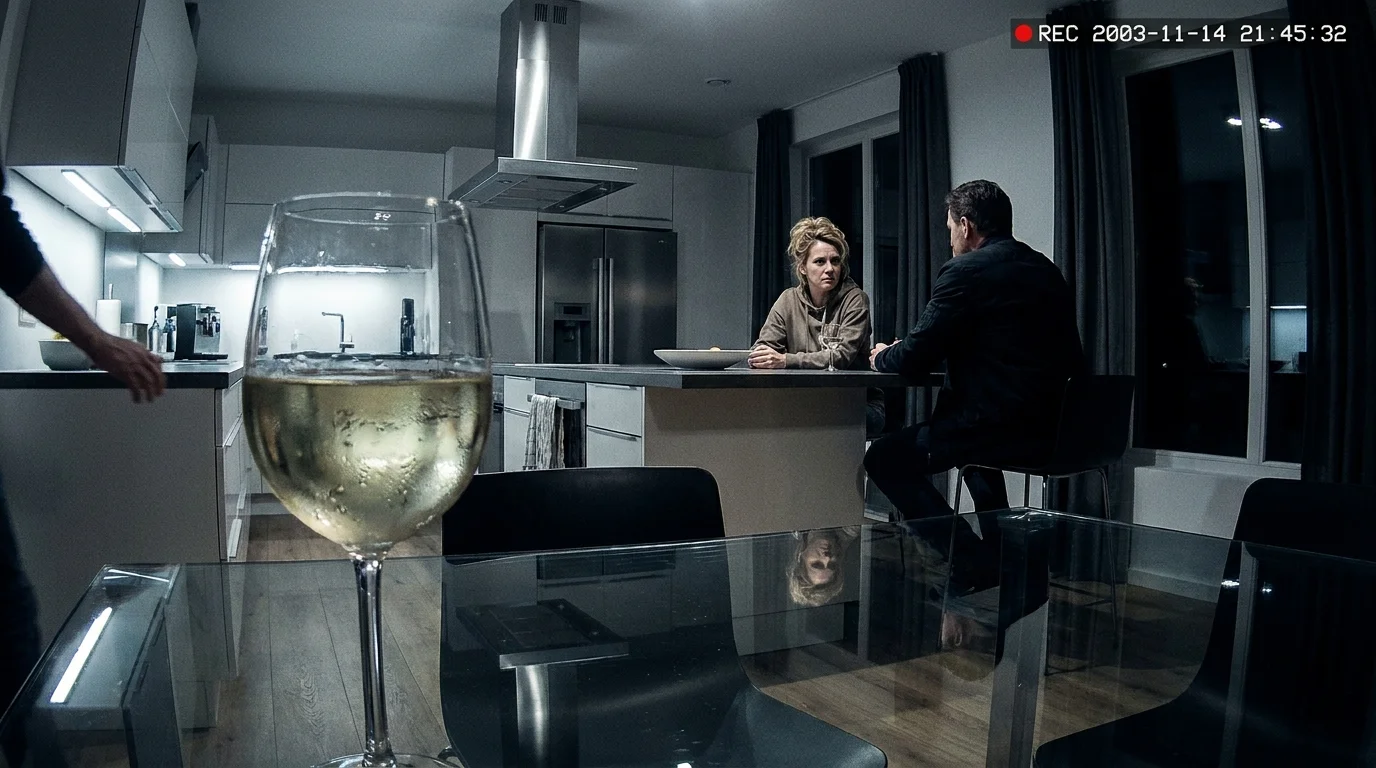
A chilled glass of white wine trembling on a polished glass kitchen table caught the low hum of studio lights back in 2003. Across millions of cathode-ray tube television screens, the scene played out as domestic sitcom fodder: a pop starlet struggling with a mop while her boy-band husband rubbed his temples in theatrical exasperation. The audience was trained to chuckle at the dizzy blonde routines and the exasperated eye rolls, treating every friction-filled conversation as lighthearted Sunday night entertainment.
Yet underneath the bouncy acoustic soundtrack and bright MTV editing, the domestic air was visibly freezing. Micro-expressions told a darker story that millions misread as marital banter. If you mute the cheerful laugh tracks and fast-paced sound effects, the physical posture of both partners reveals a couple actively retreating into defensive corners under the blinding scrutiny of reality cameras.
What audiences accepted as charming newlywed quirks were, in truth, classic interpersonal stress fractures. When you revisit the Calabasas mansion through an unvarnished lens, the unresolved friction becomes unmistakable. The casual spectator saw playful squabbles; a trained observer saw the slow, deliberate erosion of partnership.
The Sitcom Filter: When Contempt Wears a Comedy Disguise
Pop culture in the early 2000s relied on a very specific narrative engine: the bumbling domestic partner and the hyper-competent disciplinarian. This framing disguised genuine hostility as light entertainment, teaching viewers to ignore the subtle cues that signal deep relational decay. When contempt enters a conversation, it rarely announces itself with screaming matches; instead, it arrives as a thin-lipped smirk, a patronizing sigh, or an intentional public correction disguised as a joke.
Consider the infamous dining room scene where a passive-aggressive argument over simple domestic chores quickly turned sour. As dirty dishes sat between them, the conversation shifted from who forgot to take out the trash to an evaluation of personal competence. Contempt quietly replaced basic goodwill as shoulders stiffened and eye contact was broken, turning a minor household task into a proxy war over autonomy and respect.
When one partner consistently assumes the role of exasperated parent while the other retreats into learned helplessness, the emotional foundation begins to buckle. The cameras did not create these behavioral fault lines; they merely accelerated the rate at which the structural integrity of the marriage collapsed under daily pressure.
Dr. Elena Vance, a 48-year-old relational communication specialist who has analyzed decades of unscripted media footage, points out how easily viewers miss early distress cues. “Audiences tend to process televised conflict through whatever musical cues and editing packages the producers provide,” Vance explains. “When you strip away the bright pop music and observe the asymmetric jaw tension, the prolonged lack of reciprocal smiling, and the physical leaning away during moments of vulnerability, you are not watching cute reality television. You are watching a couple silently processing irreconcilable isolation in real time.”
- Lauren Bacall trembling cigarette scene accidentally exposes intense unscripted romance with Bogart
- Cillian Murphy endured an awkward Batman screen test wearing bulky oversized rubber armor
- Pamela Anderson resurfaced talk show footage reverses decades of harsh predatory interview scrutiny
- Kit Connor red carpet posture triggers intense fan speculation exposing backstage tension
- Jeremy Strong sparks tense backstage clashes demanding absolute frozen silence between takes
Anatomy of the Unspoken Rift: Three Structural Tells
Recognizing the warning signs of a disintegrating partnership requires looking past the spoken dialogue and focusing on spatial habits and autonomic responses. In high-stress domestic environments, bodily cues reveal underlying truths long before the individuals admit them out loud.
1. Asymmetric Posture and the Defensive Pivot
Throughout the broadcast, physical alignment between the two was rarely squared or welcoming. One partner would frequently lean forty-five degrees away from the shared space, anchoring their weight on a back foot or crossing their arms tightly across their chest. This posture functions like a physical barrier, signaling a subconscious refusal to receive emotional input.
2. Patronizing Tone Masked as Playful Correction
Public corrections regarding intelligence or domestic ability serve to establish dominance rather than foster cooperation. When ordinary inquiries—like the famous confusion between canned fish and poultry—are met with prolonged public mockery rather than gentle clarification, the power balance shifts toward emotional belittling.
3. The Stifled Micro-Grimace
A fleeting curl of the upper lip or a sudden downward twitch of the mouth corners reveals spontaneous resentment. These micro-expressions often lasted less than half a second on screen, appearing right after an affectionate comment was solicited, exposing a sharp contrast between outward words and internal feelings.
Spotting the Early Warning Signs in Daily Interaction
Learning to identify these behavioral shifts is not just an exercise in celebrity retrospection; it is a practical way to understand modern communication dynamics. When you observe your own conversations, small nonverbal habits carry immense predictive weight.
To assess whether a conversation is heading toward constructive resolution or quiet resentment, watch for subtle physical responses before words are even spoken:
- Check the Breath Cadence: Notice if your conversational partner begins taking shallow, upper-chest breaths during mundane check-ins, which indicates an active stress response.
- Track the Eye Axis: Look for upward rolling combined with a brief head tilt away from your line of sight, an immediate marker of dismissiveness.
- Monitor the Shoulder Line: Observe whether the shoulders stay relaxed and dropped, or if they rise toward the ears, forming a guarded silhouette.
- Gauge Response Latency: Take note of long, icy pauses before basic answers, which often signal emotional withdrawal rather than thoughtful contemplation.
By treating everyday communication with deliberate awareness, you can address underlying friction long before it hardens into permanent domestic coldness.
The Tactical Toolkit: Baseline Behavioral Checks
When tension begins to simmer under the surface of daily routines, concrete self-checks help separate momentary stress from systemic resentment. Keep these three observational baselines in mind during tense domestic exchanges:
- The 90-Degree Rule: Check if torsos are oriented toward each other during difficult talks; angled bodies often reflect guarded emotional states.
- The Tone-to-Volume Ratio: Pay close attention when volume drops to a quiet, flat monotone while sentence speed sharpens—this flat affect often signals deeper frustration than raised voices.
- The Three-Second Buffer: Allow three seconds of complete silence after your partner speaks before offering your reply to prevent reactive defensiveness.
Mastering these simple visual markers allows you to preserve mutual respect before small misunderstandings spiral out of control.
The Clarity of Hindsight
Looking back at cultural artifacts from the early 2000s offers more than just retro nostalgia; it provides a valuable mirror for our own interpersonal blind spots. Real connection requires mutual vulnerability rather than polished public performance. When you learn to notice the quiet signs of distress, you stop mistaking genuine discomfort for playful banter.
The lessons preserved in old reality tapes remind us that long-term relationships thrive on quiet, everyday respect. Paying attention to these subtle cues helps protect personal peace and fosters genuine, lasting understanding.
“True emotional distance rarely begins with an explosive argument; it starts the moment contempt is dismissed as harmless humor.”
| Key Point | Detail | Added Value for the Reader |
|---|---|---|
| Nonverbal Guarding | Crossed arms and angled torsos during casual household talks. | Helps you identify defensive emotional barriers before disputes escalate. |
| Weaponized Banter | Sarcastic remarks framed as jokes to mask simmering frustration. | Enables you to distinguish between healthy teasing and underlying resentment. |
| Asymmetric Power | One partner consistently acting as disciplinarian over the other. | Highlights the danger of unbalanced domestic dynamics in your own life. |
Frequently Asked Questions
Why did audiences miss these obvious relationship red flags at the time?
In the early 2000s, reality television relied heavily on lighthearted musical cues and comedic editing, which conditioned viewers to interpret subtle domestic hostility as harmless sitcom humor.What is the most reliable physical cue of relational contempt?
A subtle, asymmetric smirk or unilateral curl of the upper lip is widely recognized by behavioral researchers as the most direct physical marker of underlying contempt.How does passive-aggressive communication damage long-term partnerships?
It erodes trust by forcing one partner to decipher hidden hostility, creating an environment of emotional uncertainty and defensiveness.Can lighthearted teasing ever cross into toxic territory without yelling?
Yes. When jokes consistently target a partner’s competence, intelligence, or self-worth, they function as micro-invalidations rather than affectionate humor.What should you do if you notice these cold body language patterns in your own life?
Pause the conversation, bring mindful attention to your physical posture, and address the underlying emotional friction directly and calmly without sarcasm.