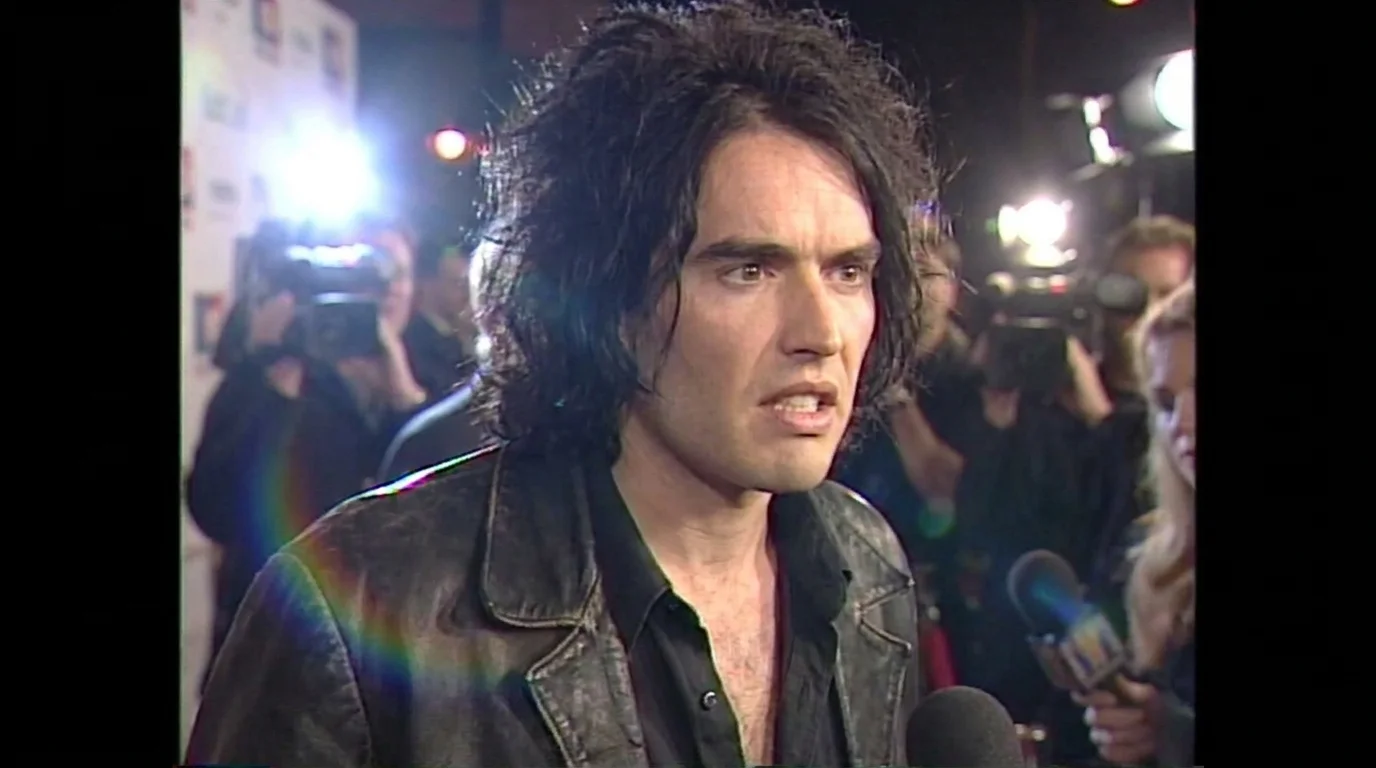
The flashes on an awards carpet hit like steady, blinding strobe bursts against the velvet backdrop. You can smell the sharp tang of industrial carpet adhesive mingling with heavy designer perfumes and warm stage lighting. From the outside, the scene looks like pure modern mythology: two massive pop-culture figures wrapped around one another, trading quick grins for wall-to-wall press banks. Yet if you strip away the roar of shouting photojournalists, the rhythm between the bodies tells a completely different story.
Watch the footage from that 2011 red carpet appearance closely. While the crowd screams for a signature comedic quip, a sudden clenched jawline reveals the quiet strain beneath the performance. There is an unmistakable stiffness in the shoulders, a sudden shift in weight away from the microphone, and a distinct lack of synchrony that no publicist could iron out.
When public figures navigate these lines, they are expected to project total unity. But when one partner constantly talks over the other, cutting off sentences with rapid-fire diversions, the illusion fractures. You are not watching playful banter; you are watching a real-time negotiation for control under forty thousand watts of quartz lighting.
The Anatomy of an Interrupted Cadence
We often assume that relationship collapse happens behind closed doors during explosive midnight arguments. In reality, structural friction leaks out through tiny behavioral fractures long before legal paperwork ever surfaces. Think of a healthy couple’s public rhythm like two musicians sharing a single microphone: one yields space so the other can finish their phrase, creating a natural back-and-forth harmony.
When that rhythm fails, the conversation turns into a territorial tug-of-war. Instead of validating an answer, every pause becomes an ambush where one person’s identity completely swallows the other’s presence. The humor stops serving as a bridge and starts acting like an emotional shield, deflecting genuine vulnerability in favor of a manic, one-man monologue.
Dr. Marcus Vance, a 52-year-old nonverbal communication analyst based in Chicago, frequently uses archival press lines to teach observational diagnostics. When reviewing the 2011 clip, Vance points directly to the micro-expressions around the mouth and eyes during the mid-interview pivots. He notes that while the verbal script sounded lighthearted to casual viewers at home, the physical proximity showed an asymmetrical lean—one partner pulling backward while the other crowded the physical space to monopolize the lens.
- David Boreanaz unscripted lingering glance exposed an offscreen romance on set
- Jon Hamm faced humiliating rejection during brutal early network television screen tests
- Lindsay Lohan resurfaced vintage indie tape completely transforms her early dramatic reputation
- Diana Jenkins unedited footage traps rigid frozen posture sparking fierce fan theories
- Hugh Jackman sparks backstage tension refusing standard pre show press junket handshakes
Decoding the Micro-Signals of Relational Imbalance
To understand how public moments telegraph private breakdowns, you have to break down the specific behavioral patterns that manifest when two people are no longer aligned.
The Verbal Hijack
In healthy public interactions, questions addressed to a couple are shared or deferred with a simple glance. During high-friction moments, one partner immediately intercepts the question, reframing the narrative before their significant other can utter a full sentence. This is not mere enthusiasm; it is a calculated reflex to manage perception and suppress unfiltered responses.
The Flash Freeze
Notice what happens to the listener’s face while the other speaks. Instead of soft eye contact or nodding agreement, the expression turns completely static. The smile remains frozen in place, but the micro-muscles around the eyes fail to engage, signaling emotional exhaustion and detachment from the ongoing joke.
The Tactile Disconnect
Watch where the hands rest. During authentic connection, physical touch is soft, responsive, and grounding. Under relational stress, touch becomes performative: a firm grip on an upper arm that feels more like an anchor keeping someone in place than an affectionate hold, paired with subtle torso angling that faces entirely away from the partner.
Behavioral Forensics in Everyday Connections
You do not need a bank of high-definition paparazzi cameras to spot these dynamic imbalances in your own world. The same structural signals that played out on historic press lines happen across dinner tables, group chats, and workplace meetings.
Recognizing these patterns allows you to build cleaner boundaries and spot unilateral control before it drains your personal energy. Here is how to observe these cues with clear-eyed clarity:
- Track conversational breathing room: Pay attention to whether your thoughts are met with curious silence or immediate interruption.
- Notice physical retreats: Watch for backward weight shifts, crossed arms, or tight jaw movements right after a seemingly playful jab.
- Evaluate humor dynamics: Determine whether shared jokes create mutual warmth or leave one person acting as the unpaid punchline.
- Check eye-line consistency: Genuine engagement involves responsive visual tracking, not scanning the room for the next distraction while you talk.
The Tactical Toolkit for Social Dynamics
- The 3-Second Rule: When someone finishes speaking, pause for three full beats before responding to ensure they feel heard.
- Spatial Calibration: Maintain at least an arm’s length of space during intense discussions to prevent subconscious intimidation.
- Vocal Leveling: Match the emotional volume of the speaker rather than overwhelming them with heightened theatrics.
Reading the Unspoken Truths
Looking back at vintage public footage is rarely just about celebrity gossip. It serves as a cultural mirror, showing us how easily charismatic charm can obscure serious relational imbalances. We often dismiss intuitive discomfort because the surface seems energetic, witty, and dazzling.
When you learn to trust subtle nonverbal cues over polished performances, you protect your emotional equilibrium from subtle invalidation. True partnership does not demand that one person shrink so the other can dominate the room. The clearest sign of mutual respect is never found in loud grandstanding; it lives in the quiet, generous space two people make for one another when the spotlight is blinding.
“When words perform for an audience, the body quietly tells the truth to anyone patient enough to watch.”
| Key Point | Detail | Added Value for the Reader |
|---|---|---|
| Verbal Domination | Interrupting answers under the guise of humor | Helps you identify conversational control tactics in daily life. |
| Static Affect | Frozen smiles with tense facial muscles | Teaches you to spot masked emotional exhaustion in close peers. |
| Spatial Asymmetry | Leaning away while maintaining rigid contact | Provides an early indicator of deep underlying boundary friction. |
Frequently Asked Questions
Why do red carpet interviews reveal so much hidden relationship friction?
High-pressure environments make it difficult to maintain a false persona continuously. The combined stress of noise, cameras, and rapid questioning causes genuine micro-expressions and defensive habits to break through.What is a micro-expression in body language analysis?
A micro-expression is an involuntary, split-second facial movement that occurs when a person attempts to conceal or repress their true emotional state.How can I tell the difference between playful teasing and relational disrespect?
Playful teasing creates shared laughter and relaxed body language from both participants. Disrespect leaves one person rigid, silent, or forced to maintain a tight, defensive posture.Why did audiences miss these red flags when the footage first aired?
Fast-paced comedic delivery often distracts viewers from observing physical tension, leading people to process aggressive dominance as simple charismatic entertainment.Can learning these nonverbal cues improve personal relationships?
Yes. Becoming attuned to subtle cues like jaw clenching and interrupted cadences helps you address unspoken frustrations before they escalate into deep resentment.