The condenser microphone catches every subtle tremor: the sharp catch in the throat, the slight waver of an unscripted exhale, and the quiet pause before the first tear falls. You hear the ambient hush of a high-end sound studio in Montecito, stripped bare of PR handlers and scripted talking points. For an hour, the conversation feels entirely spontaneous, like sitting across from an old acquaintance who has finally decided to lay down her defenses.
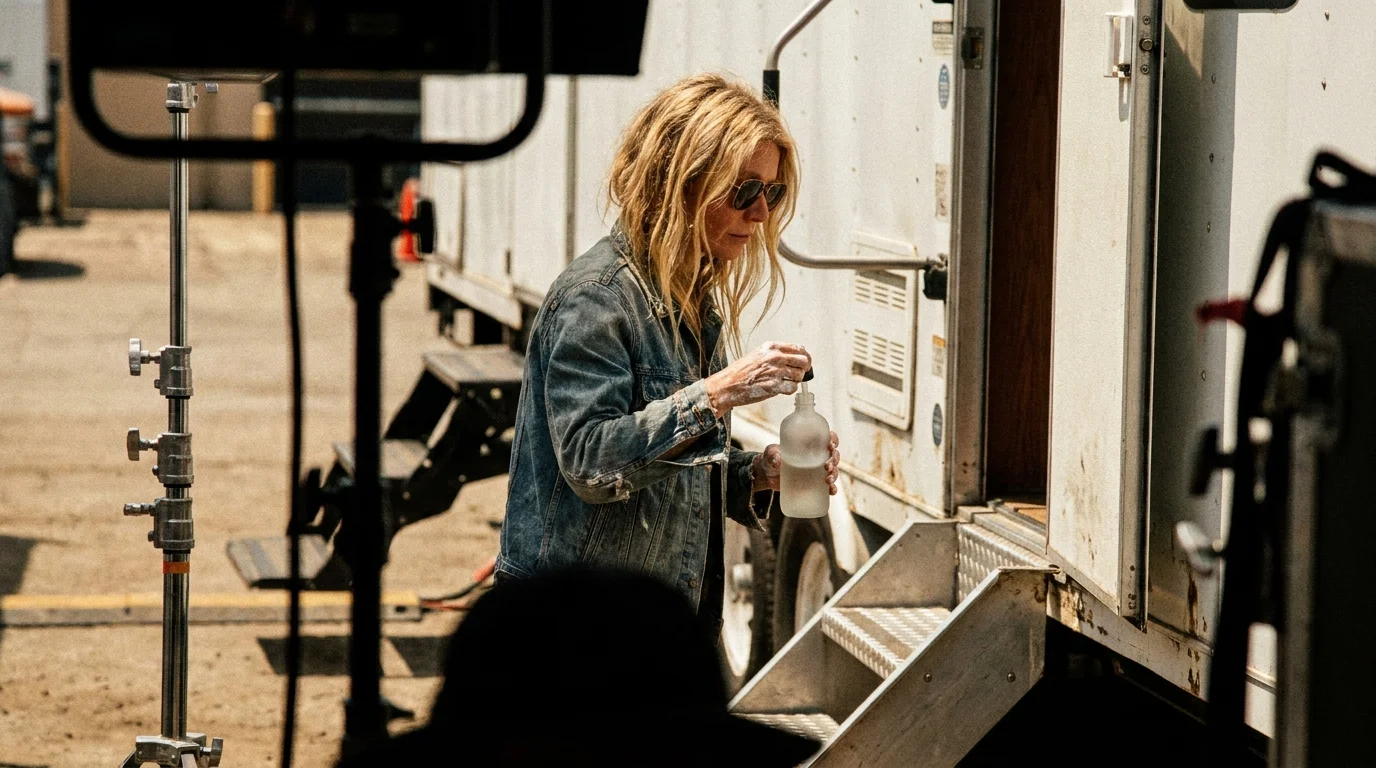
Yet three weeks later, that exact emotional breakthrough lands in your social feed beside a frosted glass dropper bottle coated with thick milky white serum. The transition from raw emotional breakdown to a ninety-eight-dollar luxury formulation is seamless, polished, and timed to the second. What felt like an accidental moment of shared human frailty was actually the opening movement of an impeccably engineered consumer rollout.
When Gwyneth Paltrow broke down during a widely circulated long-form podcast appearance, listeners believed they were witnessing the private unraveling of an ultra-wealthy tastemaker. But if you look behind the audio mixing board, you realize that modern lifestyle commerce no longer relies on traditional television spots or glossy magazine spreads. It operates through the Manufactured Confession Protocol, where emotional intimacy serves as the ultimate marketing runway.
The Anatomy of the Manufactured Confession
For decades, celebrity marketing relied on distance. Stars stood on velvet carpets, radiating an untouchable glamour that made you want to buy whatever perfume or cream kept them so luminous. Today, that playbook is obsolete. Modern consumer culture distrusts perfection; you crave the friction of genuine struggle before you open your wallet.
Vulnerability has become the new currency of commerce. By presenting a deeply personal crisis—whether it is the grief of aging, existential exhaustion, or navigating midlife identity shifts—a founder dissolves the natural skepticism you bring to high-ticket skincare. The emotional confession softens your analytical guard, turning what would be a cynical product pitch into an act of collective healing.
Think of it as emotional priming. When a founder weeps into a microphone about cellular fatigue, burnout, or the loss of identity, she is not merely venting. She is quietly diagnosing a problem for which her upcoming laboratory collaboration happens to be the exact prescription. By the time the frosted bottle appears on the digital shelves, your brain has already linked the serum with emotional resilience.
- Hans Zimmer iconic swelling bassline reveals uncredited underground electronic synth programmer
- Bruce Springsteen casual street sighting reveals custom heavy waxed canvas motorcycle jacket
- Frank Beard estate uncoupling sparks rapid division of historic Texas touring assets
- House of the Dragon Season 3 production triggers immediate retraction over leaked scripts
- Leonardo DiCaprio unscripted bloody hand smear transformed a legendary plantation confrontation
The Blueprint Behind the Tears
Julian Ramos, 39, an independent brand architect based in West Hollywood who has built narrative campaigns for venture-backed wellness lines, views these moments as mathematical rather than spontaneous. “A tier-one celebrity launch requires at least fourteen months of formulation and supply chain locking,” Ramos explains. “When tears happen on a microphone ninety days before inventory hits warehouses, that is not an accident; that is narrative staging designed to beat the algorithm.”
Understanding this machinery does not mean you have to dismiss the underlying emotion entirely. Celebrities experience genuine grief, anxiety, and aging just like anyone else. The difference lies in the commercial ecosystem waiting to package those feelings into retail-ready stock keeping units.
The Three Layers of Emotional Priming
To navigate the modern wellness landscape without feeling manipulated, it helps to understand the distinct phases through which these launches unfold.
1. The Cathartic Confession
This phase unfolds on audio-first platforms. Podcasts provide an intimate, screen-free sonic space where long pauses and cracking voices feel unvarnished. The conversation deliberately avoids brand mentions, focusing entirely on personal vulnerability, past regrets, or physical burnout.
2. The Algorithmic Echo Chamber
Within forty-eight hours, the most tearful ninety-second audio snippet is clipped, captioned with minimalist typography, and distributed across short-form video platforms. The goal here is driving high-velocity organic engagement, generating millions of views from audiences who feel protective of the star’s sudden honesty.
3. The Physical Solution Drop
Two to three weeks after the emotional peak, the product is quietly introduced. The messaging mirrors the exact vocabulary used during the confession: restoration, protection, grounding, and quiet luxury. The consumer does not feel sold to; they feel invited to participate in the founder’s recovery.
Decoding the Celebrity Retail Playbook
You do not need to become entirely cynical to protect your peace of mind and your budget. Instead, you can cultivate a grounded media literacy that separates a compelling personal narrative from the physical contents of a cosmetic jar.
- Check the formulation timeline: Quality skincare takes twelve to eighteen months to formulate, stability-test, and package. If an unscripted revelation aligns perfectly with a product debut, recognize it as a synchronized campaign.
- Separate the founder from the chemistry: A celebrity’s emotional journey has no bearing on active ingredients like peptides, ceramides, or niacinamide. Evaluate the ingredient list, not the founder’s tearful monologue.
- Notice the linguistic bridge: Watch for words that shift seamlessly from psychological states to cosmetic benefits—such as *fatigued barrier*, *stressed skin*, or *recovering glow*.
- Pause before purchasing: Give yourself a mandatory seven-day cooling-off window between hearing an emotional interview and buying the accompanying lifestyle line.
The Bigger Picture: Reclaiming Genuine Connection
Living in an age of hyper-curated authenticity means you will constantly encounter polished figures who seem to offer you their deepest truths. Recognizing the strategy behind these public breakdowns does not mean closing your heart to genuine storytelling. It simply means keeping your feet planted firmly on the ground.
True self-care is rarely found at the bottom of a luxury dropper bottle, no matter how moving the story behind it may be. When you learn to admire the brilliance of modern PR without immediately reaching for your credit card, you reclaim both your emotional sovereignty and your hard-earned resources.
“Modern marketing no longer sells products; it sells the illusion of shared survival.”
| Key Point | Detail | Added Value for the Reader |
|---|---|---|
| Manufactured Confession | Timing an emotional breakdown to precede a major retail launch. | Helps you spot calculated PR cycles before spending money on impulse. |
| Sonic Intimacy | Using long-form podcasts to bypass consumer defense mechanisms. | Allows you to enjoy entertainment without falling for subtle sales funnels. |
| Ingredient Truth | Separating cosmetic chemistry from emotional lifestyle branding. | Ensures you buy skincare based on biological efficacy rather than celebrity empathy. |
Frequently Asked Questions
Are celebrity podcast tears always fake?
Not necessarily. The emotions are often rooted in real experiences, but their public release is strategically scheduled to align with multi-million-dollar retail distribution schedules.Why do celebrities choose podcasts for product rollouts?
Podcasts offer an intimate, long-form medium where conversations feel private and unproduced, making emotional disclosures seem far more authentic than television appearances.How can I tell if a product launch is tied to a PR narrative?
Look at the timing. If an emotional revelation or lifestyle controversy is followed within two to four weeks by a pre-order link or new brand announcement, the two are strategically linked.Does a manufactured narrative mean the skincare is ineffective?
No. High-end celebrity brands often work with reputable cosmetic labs. However, you are frequently paying a steep markup for narrative branding rather than novel formulation.How do I build resistance to emotional marketing?
Always wait at least a week after consuming high-emotion content before making a purchase, and base your buying decisions strictly on independent ingredient reviews.