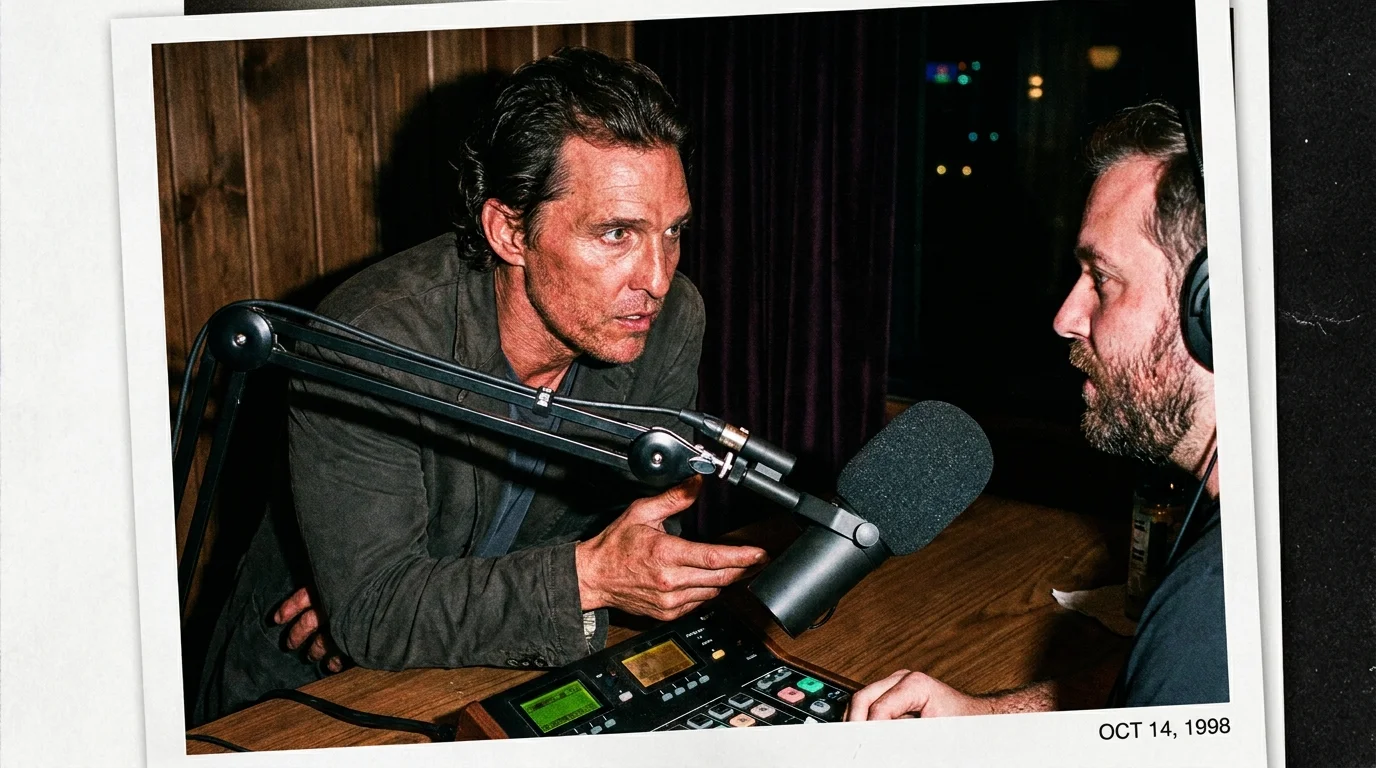
The studio booth smells faintly of cured wood and cedarwood oil, a manufactured homeliness built directly into the soundproofing panels. Inside, the only light stems from two amber studio monitors and the steady, glowing digital audio waveforms leaping across an engineer’s display. You lean into the dark grey foam podcast pop filter, waiting for the pause. It comes right on cue: a soft catch in the throat, a slow drawl that decelerates by half-speed, and the unmistakable wet sound of an actor swallowing back sudden tears as a childhood memory of West Texas dust hangs suspended in the room.
Millions of listeners hear that crack in the voice through noise-canceling headphones, feeling an immediate spike of unvarnished empathy. It feels like an accidental confession whispered directly into your ear canal while you sit in evening traffic. You believe you are witnessing a rare moment of unscripted masculine grace, a superstar stripping away his armor in real time.
Yet three weeks later, when the exact emotional inflection of that story reappears on a different flagship audio show, the picture clarifies. Within forty-eight hours of that second tearful recollection, the landing page goes live for a multimillion-dollar lifestyle and wellness enterprise. The teardrop was not an interruption of the schedule; it was the promotional runway laid down months in advance.
The Architecture of the Modern Audio Confession
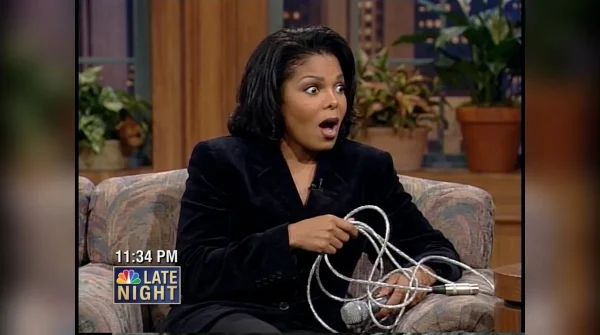
For decades, traditional publicity tours ran on glossy late-night television appearances, where actors had four minutes between commercial breaks to deliver a polished anecdote. Those bright studio lights created an obvious barrier between the performer and the public. You always knew you were being sold something because the studio band and cue cards never let you forget it.
Long-form audio fundamentally altered that psychological contract. In a two-hour conversation, the microphone acts like an audio microscope, catching the shallow intake of breath and the slight quiver of an unscripted silence. Celebrities discovered that manufactured vulnerability builds brand equity faster than any billboard ever could. When an A-list icon appears to unravel emotionally in a dimly lit studio, your natural skepticism drops its guard, mistaking acoustic intimacy for uncalculated truth.
Marcus Vance, a forty-two-year-old audio producer and sound designer based in Austin, spent years mastering celebrity interview tracks before spotting the pattern. “You can look at the raw stems on the digital workstation and watch the deliberate deceleration,” Vance shared during an industry masterclass. “When a seasoned performer wants you to feel their soul, they drop their vocal cadence by twenty beats per minute and pull back two inches from the diaphragm. It is as tightly choreographed as any Broadway soliloquy, engineered to trigger trust right before the sales funnel opens.”
- Keira Knightley catastrophic period drama flop severed restrictive multi-picture studio distribution agreements
- David Gilmour signature guitar solo strips credit from an uncredited studio session arranger
- Amal Clooney street style spotlights tailored navy Giorgio Armani suits in Venice
- Smokehouse Pictures separates major production assets restructuring multimillion dollar studio development rights
- George Clooney public statement clarifies disputed remarks regarding Quentin Tarantino career comments
The Layered Psychology of Commercial Softness
Not every listener experiences this calculated vulnerability the same way. Understanding how these storytelling mechanics work reveals why the modern lifestyle empire no longer relies on hard-sell commercials.
For the Passive Commuter
If you are listening while navigating rush hour or folding laundry, the emotional dip operates on pure atmosphere. The slow Texas cadence and the poignant pause act as an auditory tranquilizer. You register the speaker as a wise, battle-tested mentor who has weathered hardship and returned to hand you the blueprint for living well.
For the Aspiring Entrepreneur
If you study modern brand building, the sequence reveals an extraordinary operational discipline. The emotional story is not designed to entertain; it constructs narrative authority. By framing commercial products around hard-won personal epiphanies, the resulting merchandise ceases to look like consumer goods and begins to look like sacred artifacts of a grounded lifestyle.
For the Media Critic
When you dissect the interview transcripts side by side, the repetition becomes striking. The exact emotional beats—the specific memory of parental sacrifice, the rhythmic hesitation before the moral lesson—remain identical across multiple media networks. The vulnerability is real in its origin, but its deployment is calibrated down to the second.
Mindful Deconstruction: How to Read the Promotional Runway
Navigating modern media requires a calm, clear-eyed awareness of how your attention and empathy are monetized. You do not have to become cynical, but you can learn to notice the structural cues before opening your wallet.
- Track the Chronological Proximity: Note when high-profile stars suddenly appear on three separate three-hour podcasts within a fourteen-day window. Unprompted soul-searching rarely happens in clusters without an impending commercial rollout.
- Listen for the Moral Pivot: Pay attention to the moment an intensely personal story transforms into a universal life lesson. This philosophical pivot is almost always the conceptual bridge to a lifestyle product.
- Analyze the Vocal Proximity: Notice when the speaker deliberately drops their volume, forcing you to turn up your audio levels. This mechanical trick creates an involuntary sensation of physical closeness.
Recognizing these steps allows you to appreciate the masterclass storytelling without getting swept into the commercial current. You can enjoy the narrative art while keeping your critical boundaries firmly intact.
The Quiet Value of Clear Perception
Seeing through the machinery of modern celebrity branding does not mean you must discard the wisdom hidden within the stories. A poignant reflection on resilience, family, or purpose can still offer genuine value to your own morning routine, even if it was rehearsed under studio lighting to sell an organic clothing line or a subscription wellness platform.
The victory comes from reclaiming your agency as a listener. When you understand that emotional disclosure is the new currency of digital commerce, you stop looking to Hollywood icons for spiritual validation. You take what is practical, discard the promotional noise, and leave the pedestal empty.
True charisma is not the absence of calculation, but the ability to make precision feel like a sudden moment of grace.
| Key Point | Detail | Added Value for the Reader |
|---|---|---|
| Acoustic Intimacy | Close-mic techniques mimic private, one-on-one confessionals. | Helps you separate audio production tricks from genuine spontaneous emotion. |
| The Runway Timing | Vulnerable media appearances peak 2 to 4 weeks prior to enterprise launches. | Allows you to anticipate when a lifestyle product or book is about to enter the sales cycle. |
| Narrative Framing | Personal struggles are reshaped as founding myths for consumer goods. | Protects your spending decisions by revealing the marketing intent behind inspiring stories. |
Frequently Asked Questions
Did the actor fabricate the emotional childhood stories completely?
No. The power of the rehearsed vulnerability model relies on genuine life events. What is calculated is not the truth of the memory, but the timing, rhythmic delivery, and strategic placement of that story to warm up consumer sentiment before a commercial rollout.Why has podcasting replaced traditional talk shows for celebrity launches?
Late-night talk shows are inherently transactional and rushed. Long-form audio gives stars the time required to build deep trust, project authenticity, and lower the listener’s natural commercial resistance over several uninterrupted hours.How can I spot the difference between genuine vulnerability and a marketing setup?
Look at the calendar. If an uncharacteristic public confession or tearful reflection is followed within thirty days by a product announcement, masterclass, or apparel brand, the vulnerability was part of the promotional runway.Does knowing an interview is strategic ruin the enjoyment of the story?
Not necessarily. You can still appreciate exceptional rhetoric, captivating storytelling, and philosophical insight as entertainment without allowing the emotional performance to dictate your purchasing habits.Why do lifestyle brands require emotional storytelling instead of standard advertising?
Modern consumers are largely immune to direct product advertisements. Lifestyle enterprises must sell a worldview and an identity, which requires building deep, parasocial trust through emotional resonance before asking for a financial commitment.