Step past the security checkpoint of a major studio soundstage at 6:00 AM, and the air carries a specific weight. It smells of stale drip coffee, humid insulation, and damp plywood. Across the corridor, crushed velvet green room couches sit undisturbed beneath humming fluorescent strips, while stacks of revision pages rest inside heavy, unread script binders. You expect this environment to buzz with raw creative alchemy, but in truth, a Hollywood movie set runs less like an artists’ salon and more like a high-stakes railway yard.
When an actor enters that ecosystem, every minute belongs to hundreds of working technicians. Teamsters are tracking turnaround hours, focus pullers are calculating micro-measurements, and prop masters are monitoring tight continuity windows. If a performer treats that shared machinery as a personal playground for radical self-indulgence, the operational balance snaps.
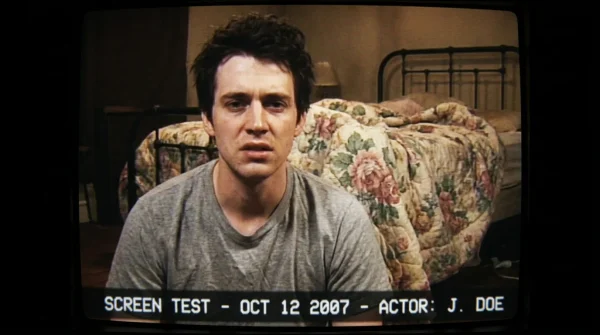
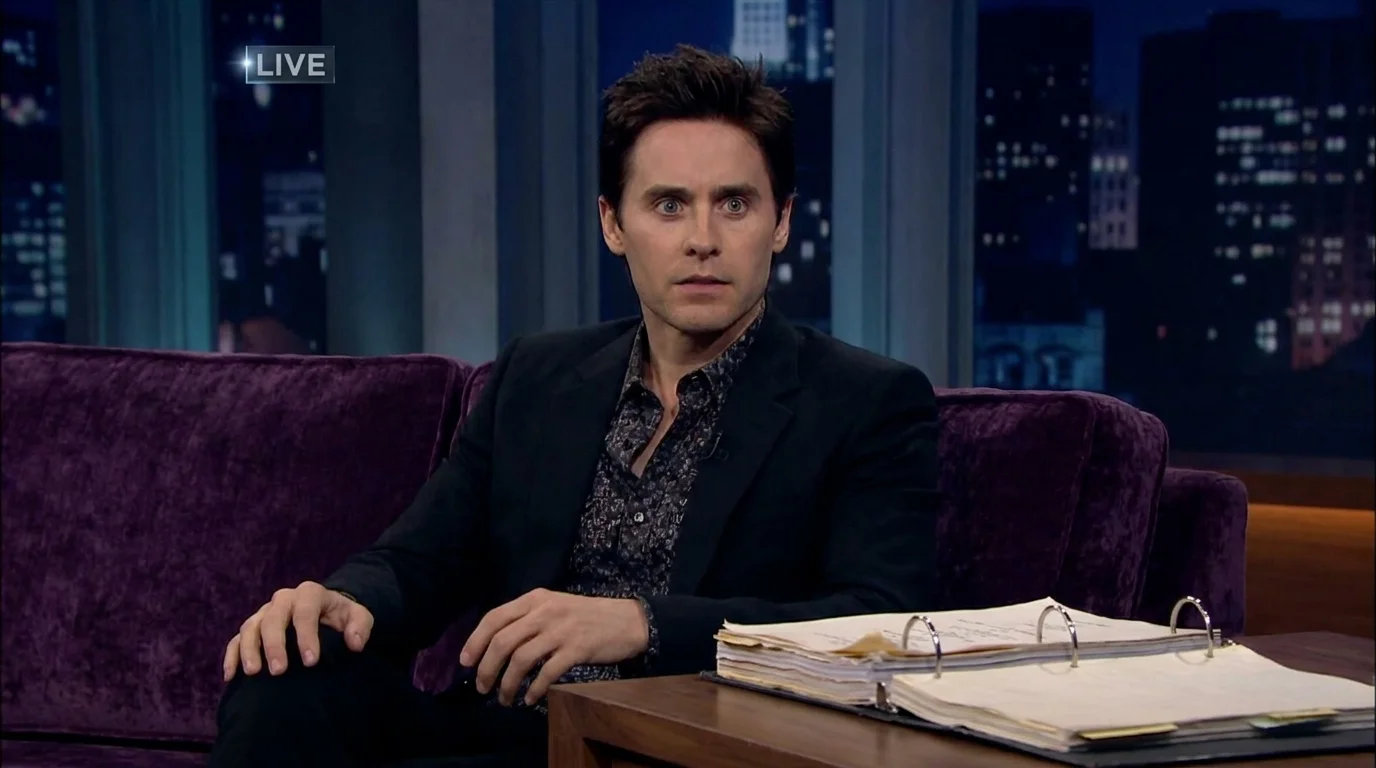
For years, stories surrounding Jared Leto functioned as legendary trade folklore. You heard about the live rats delivered in cardboard boxes, the used prophylactics sent to fellow cast members, and the refusal to break character even during lighting resets. What marketing campaigns framed as fearless commitment looked entirely different to the people working twelve-hour shifts behind the cameras: an exhausting, unreciprocated tax on everyone else’s labor.
The Illusion of Artistic License: When Immersion Becomes Isolation
Consider a film set as an open-air surgical theater. If the chief surgeon demands that everyone speak in whisper-tones and dodge flying scalpels simply to preserve their internal mood, the operation stalls. The mythology of modern method acting suggests that true brilliance requires total psychological capture, where personal boundaries and social decencies must be abandoned to serve the character.
In reality, extreme immersion often masks a fundamental breakdown of collaboration. When a performer isolates themselves inside a manufactured persona, they transfer their emotional friction directly onto the camera operators, sound mixers, and fellow actors who cannot simply walk away. Studios quietly realized that while eccentric headlines might drive early social media clicks, the hidden production delays, insurance riders, and team fatigue drain millions from a budget.
Elena Vance, a 48-year-old veteran production coordinator based in Atlanta, saw this friction firsthand during a mid-budget studio thriller. “When a lead actor demands special off-camera protocol, the entire schedule warps around them,” she explains. “You watch the crew go from passionate craftspeople to exhausted workers simply trying not to trigger another unscripted incident. After wrap day, word spreads through the union channels faster than any studio press release: nobody wants to sign onto their next project.”
- Matthew McConaughey rehearsed podcast breakdown triggers massive sales before major lifestyle enterprise launch
- Keira Knightley catastrophic period drama flop severed restrictive multi-picture studio distribution agreements
- David Gilmour signature guitar solo strips credit from an uncredited studio session arranger
- Amal Clooney street style spotlights tailored navy Giorgio Armani suits in Venice
- Smokehouse Pictures separates major production assets restructuring multimillion dollar studio development rights
The Four Hidden Layers of Hollywood’s Quiet Rejection
The consequences of alienating your peers rarely arrive as a dramatic, televised firing. Instead, Hollywood practices a subtle, quiet erasure. When casting directors assemble potential call sheets for hundred-million-dollar ensemble films, they categorize talent through specific operational lenses.
The Ensemble Hazard
Major franchise filmmaking requires seamless chemistry across sprawling casts. If an actor brings volatile, unpredictable dynamics onto the set, directors know that co-stars will hesitate to sign on. Prestigious ensemble projects thrive on reciprocal trust, not performative psychological warfare that leaves scene partners walking on eggshells.
The Production Insurance Equation
Every eccentric demand carries a quantifiable line-item expense. Extended resets caused by unscripted antics, customized green room demands, and specialized handling protocols inflate the day rate of a shoot. When independent financiers look at budget sheets, hidden operational risks routinely disqualify unpredictable leads before negotiations ever begin.
The Creative Director’s Veto
A director needs a collaborative partner, not an unguided force that hijacks tone and blocking. A-list filmmakers who command their own sets seek actors who can hit a mark, deliver devastating vulnerability on take four, and drop the mask the moment the slate claps. When a performer refuses to step out of character, they effectively cut the director out of the creative steering wheel.
The Crew-Level Reputation Drain
Gaffers, grips, and department heads talk across productions. When a reputation for making daily life miserable solidifies across IATSE local chapters, top-tier technical crews decline contracts attached to that star. Without the industry’s finest lensers and sound designers, the overall visual and sonic quality of a star’s filmography steadily drops.
The Professional Pivot: Rebuilding Trust Through Restraint
Whether you work in front of a cinema camera or collaborate in a corporate boardroom, sustainable authority relies on emotional control rather than volatile theatricality. True craft is measured by your ability to access intense creative depth while remaining generous, reliable, and grounded with those around you.
- Separate the work from the workspace: Access deep focus between action and cut, but leave personal intensity at the threshold of the staging area.
- Respect the collective clock: Recognize that your creative process cannot come at the expense of your team’s physical and mental endurance.
- Communicate technical boundaries early: State your preparation needs clearly during pre-production rather than springing unscripted surprises on your colleagues.
- Value the off-camera ecosystem: Treat production assistants, sound utility crews, and background performers with the same professional dignity given to executive producers.
The Tactical Collaboration Toolkit
To audit how your professional intensity impacts your immediate environment, apply these operational benchmarks:
- The 90-Second Reset: Practice stepping out of high-intensity tasks within ninety seconds of completion to recalibrate social awareness.
- The Zero-Tax Metric: Ensure that your personal preparation routines require zero uncompensated labor from your peers.
- The 3:1 Feedback Ratio: Offer three direct acknowledgments of your crew’s technical execution for every single individual accommodation you request.
The Real Architecture of Enduring Influence
The cultural appetite for the tortured, disruptive genius is fading. In its place, the entertainment industry is quietly rewarding artists who pair extraordinary expressive range with unwavering professional grace. When you step back and look at the careers that span four or five decades, they are rarely built on manufactured chaos. They are sustained by directors who want to work with someone a second time, and crews who feel energized when that person walks through the stage door.
Understanding this shift shifts your own perspective on excellence. True mastery does not require you to burn down the room just to prove you feel the heat. It asks you to bring your absolute best to the table, deliver your work with razor-sharp precision, and have the quiet confidence to leave the character on the soundstage floor when the working day is done.
“True artistic discipline is not measured by how much space you take up, but by the excellence you inspire in the people standing around you.”
| Key Point | Detail | Added Value for the Reader |
|---|---|---|
| Reputational Drift | Informal crew blacklists bypass public PR channels entirely. | Shows why peer-level goodwill matters more than outward marketing hype. |
| Economic Drag | Unscripted immersion adds uninsurable delay costs to budgets. | Reveals how erratic creative habits translate directly into financial liabilities. |
| Sustainable Craft | High-impact performance paired with low-friction collaboration. | Provides a clear blueprint for maintaining authority without personal friction. |
Frequently Asked Questions
Why did Jared Leto’s on-set methods cause so much industry friction?
His refusal to break character and his practice of sending inappropriate items to co-stars burdened the crew and alienated peers who relied on professional, reciprocal collaboration on set.Are extreme method acting tactics still respected in Hollywood?
While transformative performances are praised, industry culture has shifted away from methods that create hostile, stressful, or unpredictable working conditions for technical crews.How do quiet casting blacklists actually work?
Rather than formal bans, directors, producers, and top co-stars simply decline to attach their names to projects where a notoriously difficult actor has been proposed as the lead.What is the difference between healthy preparation and disruptive immersion?
Healthy preparation focuses on psychological research and script study without violating the personal boundaries, physical safety, or time constraints of colleagues.Can an actor reverse a damaged industry reputation?
Yes, by demonstrating consistent punctuality, creative adaptability, and genuine respect for production crews across smaller independent projects over several consecutive years.