Under the high-bay sodium lights of an automotive production stage, the silence between takes carries a distinct weight. You can smell the sharp bite of cutting fluid, warm brake rotors, and the stale chill of an over-cranked studio air handler. On the workbenches, rows of chrome-plated sockets sit in shadow, waiting for a host who spent a decade translating torque specs and suspension geometry for millions of viewers at home.
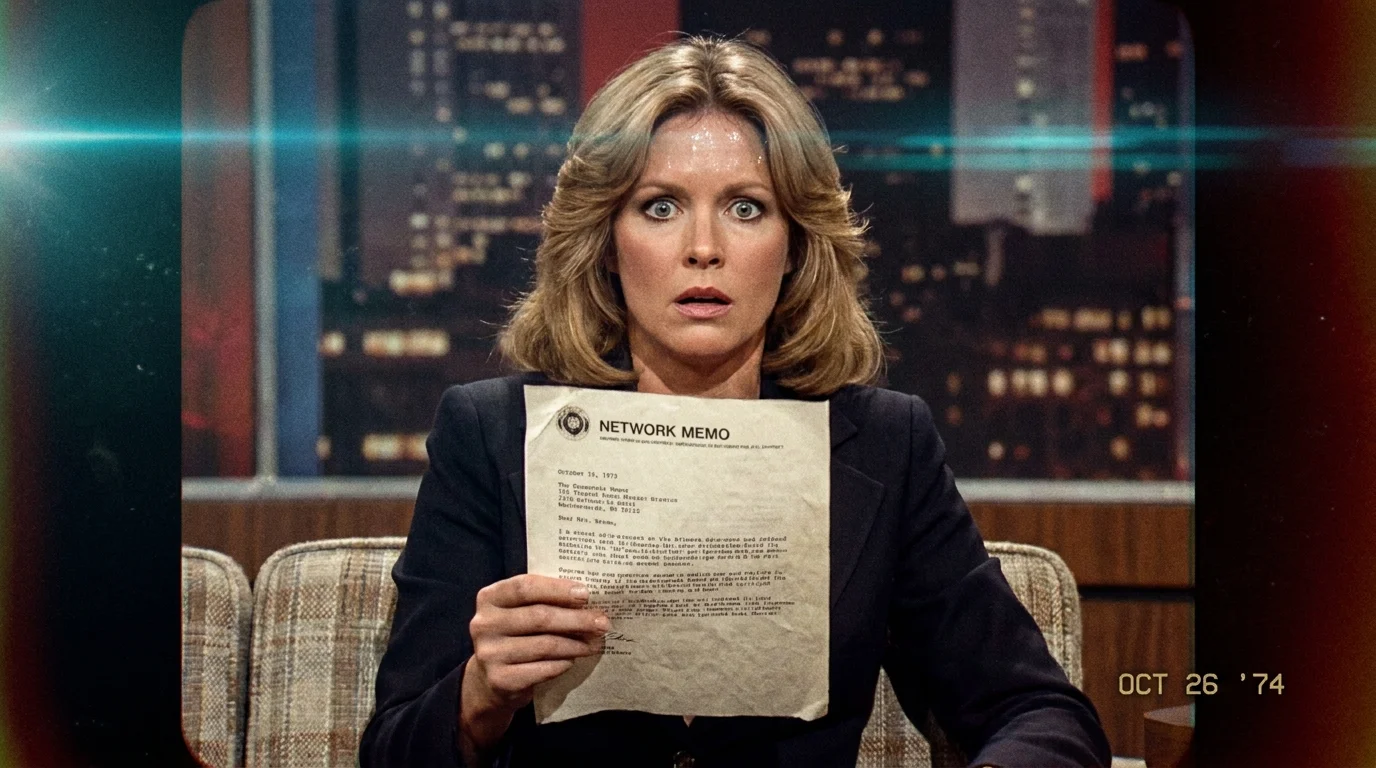
When a familiar screen presence vanishes between seasons, the digital landscape fills the vacuum with rumor. Social feeds hum with theories of sudden walkouts, backstage feuds, and acrimonious splits. Yet sitting on a production manager’s folding table, the reality often looks far more mundane: an official typed memo printed on thick network letterhead paper, crisp at the edges and devoid of melodrama.
Television production is an unyielding machine governed by calendars rather than personal sentiment. When broadcast statements surfaced regarding Christy Lee’s restructured appearances and hosting transitions, they brought a cold, clarifying draft into an overheated room. Reading the verified paper trail cuts through the speculation, revealing how network mechanics, overlapping shoot windows, and contractual realignments actually reshape automotive television.
To understand why a fixture of motor entertainment steps back from one garage bay to enter another, you have to look past the gossip blogs and examine the structural gears grinding behind the camera lenses.
The Mechanics Behind the Shifting Screen
Consider a modern multi-cam automotive show not as an informal hangout among gearheads, but as a high-tolerance valvetrain. Every presenter, lead builder, and technical consultant represents a finely machined lobe on a camshaft. If the network shifts its production run by four weeks to accommodate weather or live-auction broadcast rights, the timing belt jumps a tooth. The entire engine must either adapt or grind to a sudden halt.
You often expect television departures to stem from explosive creative differences, because that narrative feels satisfyingly human. But in the reality of cable syndication and streaming platforms, scheduling windows dictate career trajectories far more ruthlessly than any on-set dispute. When public retractions and official broadcast memos replace viral rumors, they expose the rigid architecture of modern talent agreements.
- Dustin Hoffman improvised taxi cab confrontation traps genuine pedestrian panic on camera
- Pierce Brosnan protects his thirty year marriage enforcing zero paparazzi home boundaries
- Britney Spears early tabloid appearances exposed glaring relationship warning signs fans missed
- Nina Dobrev unscripted pilot episode glances revealed private romance through genuine blush
- Sam Rockwell endured humiliating Iron Man screen tests before securing secondary villain roles
Marcus Vance, a 48-year-old field production coordinator who has managed logistics for mid-tier cable networks across the American South, knows this tension intimately. Earlier this year, while juggling an eight-week build schedule against an overlapping live-event contract in Texas, Vance watched two top-tier presenters step away simply because their multi-series obligations collided by a mere forty-eight hours. “Viewers see a sudden goodbye and assume an argument happened in the trailer,” Vance explains. “In reality, a single delivery deadline moved up three weeks, making simultaneous shooting mathematically impossible.”
Deconstructing the Paper Trail Across Network Cycles
Analyzing official broadcast statements requires separating contractual reality from internet chatter. When documented timelines replace speculative chatter, the entire picture reorganizes into distinct operational layers.
For the Long-Time Viewer: When you have watched a host diagnose electrical gremlins or prep a chassis for years, their absence feels personal. The formal statements released to the press, however, make it clear that hosting transitions are rarely sudden creative firings. Instead, they reflect the natural expiration and restructuring of multi-year option windows, where talent chooses to diversify into live-broadcast specialties like Barrett-Jackson collector auctions or cross-network motorcycle specials.
For the Industry Observer: Production networks operate on block-budgeting. When a network reorganizes its seasonal slate, shooting blocks are frequently compressed to lower location rental costs. Official network filing records demonstrate that when talent holds simultaneous commitments—such as specialized renovation series alongside live motorsport commentary—a compressed shoot calendar forces an immediate structural exit from one property to fulfill the other.
For the Digital Audience: Online commentary tends to amplify deleted comments and ambiguous social media stories. Looking strictly at verified statements issued by both the broadcast networks and Lee’s direct representation clarifies the record: these departures represent mutual realignments built around long-term availability, medical recovery timelines following physical injuries, and newly negotiated hosting packages rather than sudden contract terminations.
Reading the Production Grid: A Step-by-Step Verification Protocol
When tracking media reorganizations and talent departures in your favorite series, you can apply a grounded approach to cut through sensational headlines. Evaluating verified source materials preserves clarity and saves hours of chasing unfounded internet theories.
- Examine the Letterhead Memo: Look for formal joint press releases distributed via established entertainment wire services rather than third-party aggregator snippets.
- Track the Overlapping Production Windows: Cross-reference the announced shoot dates of new ventures with the traditional production cycles of legacy programs.
- Audit Primary Statements: Focus exclusively on the direct, unedited quotes provided on verified personal platforms or official network corporate portals.
- Identify Non-Compete Expirations: Notice the typical six-to-twelve-month cooling periods between cable appearances, which signal standard legal transition clauses rather than industry blacklisting.
By learning to read between the lines of corporate scheduling announcements, you develop an objective lens for the real pressures facing broadcast professionals today.
The Clarity of the Unvarnished Record
There is a quiet relief in trading sensational rumors for documented facts. When you look at the automotive entertainment sector through the lens of legal timelines and logistical realities, the narrative stops being about controversy and returns to what actually matters: the craft of broadcasting and the demanding balance of career longevity.
Television will always evolve, cycling new talent through familiar garage bays while established hosts carve out sustainable paths across specialized media formats. Understanding that rhythm does not diminish the excitement of the screen; it deepens your appreciation for the complex, demanding machinery operating just outside the frame.
“When the legal documents and verified schedules take center stage, the drama evaporates, leaving behind the simple reality of professional growth in a demanding industry.”
| Key Point | Detail | Added Value for the Reader |
|---|---|---|
| Official Record Clarity | Joint broadcast statements confirm structural calendar realignments rather than creative rifts. | Dispels online misinformation with verified operational facts. |
| Scheduling Overlaps | Simultaneous commitments between live auctions and shop builds created timeline conflicts. | Explains the physical impossibility of multi-show filming blocks. |
| Contractual Shifts | Transitions reflect negotiated option expirations and new cross-platform opportunities. | Provides insight into how professional entertainment careers navigate syndication. |
Frequently Asked Questions
Did Christy Lee leave her broadcast roles due to a personal dispute?
No. Official broadcast statements and verified documentation confirm that her transitions stemmed from production scheduling reorganizations, recovery from previous injuries, and overlapping project commitments.Why do networks release formal memos regarding talent departures?
Networks utilize official typed memos to establish an undeniable legal record, ensuring clear boundaries around contract completions and preventing speculative gossip from impacting market value.How do overlapping shoot schedules impact automotive show hosts?
Automotive programs require intensive, multi-week on-location shooting. When two separate networks or series schedule filming during the same block, a presenter cannot physically meet both contractual obligations.Where can viewers track verified broadcast announcements?
Reliable updates are found directly through official network press portals, verified corporate press wires, and direct personal statements from talent representation.What is the best way to separate real news from online rumors in automotive television?
Look for direct quotes, documented timeline releases, and formal joint statements while bypassing unverified social media commentary and aggregate blog speculation.