The dining room at the back of the set smells of stale garlic, tobacco smoke, and lukewarm marinara. Red vinyl booths creak under the weight of extras in tailored silk suits, while heavy glass carafes of table wine catch the warm overhead tungsten lamps. You watch the frame settle into what should be a routine celebration among friends, the kind of camaraderie built on shared secrets and easy laughter.
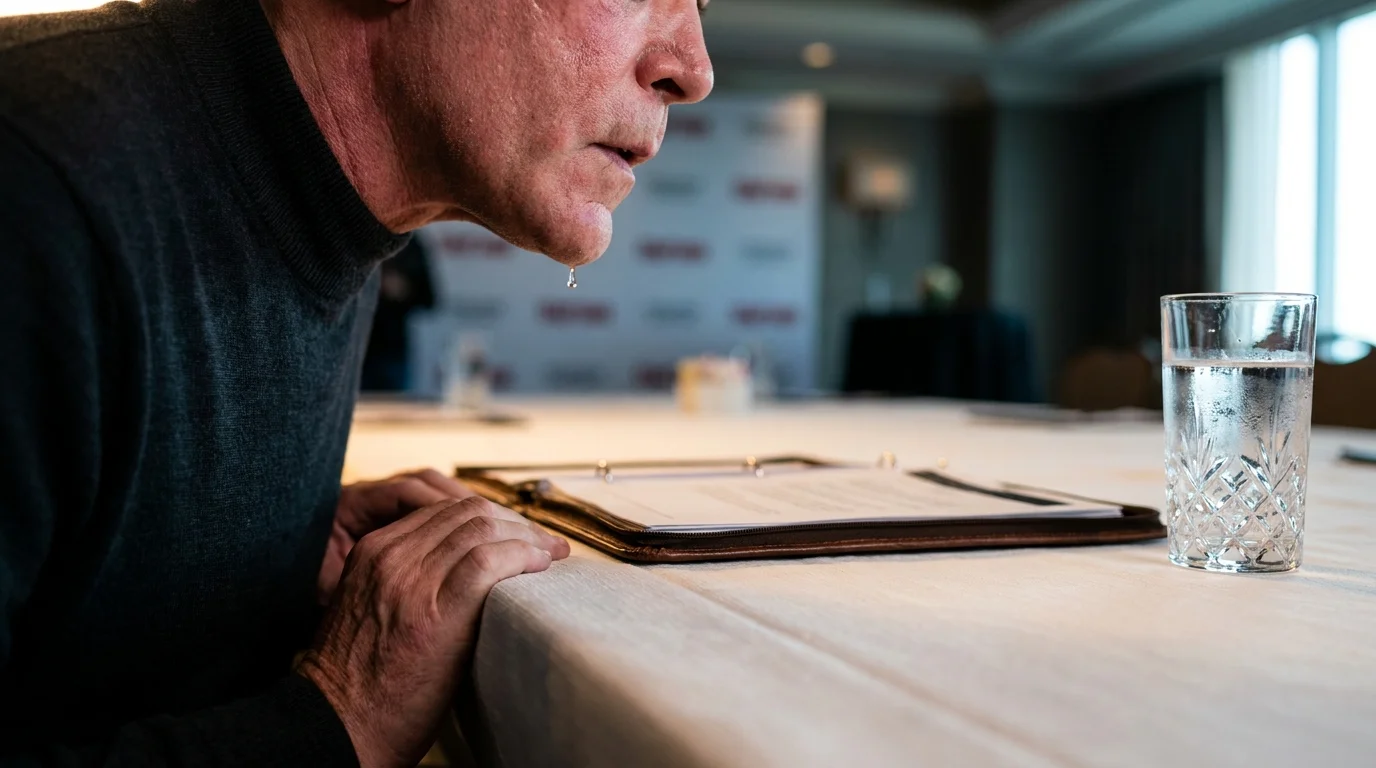
Then the air leaves the room. Joe Pesci leans in, resting his forearms on the white linen tablecloth, his dark eyes narrowing into razor-thin slits. A heavy, suffocating silence pins everyone to their seats, and a single sweat bead drips down Ray Liotta’s cheek into a cold pasta plate. The background noise vanishes; nobody behind the camera breathes because nobody at that table knows if Pesci has genuinely lost his mind or if the scene is still rolling.
We tend to believe legendary Hollywood moments are constructed like Swiss watches, drafted meticulously across months of rewrites before being executed with clinical precision. Yet the defining interaction of modern gangster cinema was not mapped out on paper; it was an ambush engineered to spark real psychological dread.
The Illusion of the Polished Script
When you watch dramatic cinema, you naturally assume every pregnant pause, every nervous stammer, and every flare of hostility was placed there by a screenwriter’s careful hand. Treating a script like a sacred architectural blueprint guarantees safe, polished output, but it often robs performance of its living pulse. True emotional gravity functions less like sheet music and more like sudden weather changes.
Pesci understood that fear cannot be convincingly faked through polite rehearsal. To create an exchange that felt uncomfortably dangerous, he drew from his real youth working at a restaurant in the Bronx, where complimenting a connected man on his humor once brought him face-to-face with sheer panic. Rather than staging a standard mobster debate, he pitched Martin Scorsese on the idea of springing an unscripted psychological trap directly on his co-star.
Scorsese chose not to record the dialogue into the official production script, keeping the wider cast and crew completely in the dark. When Pesci turned Tommy DeVito from a laughing storyteller into a simmering predator demanding to know why he was ‘funny like a clown,’ Liotta’s panic was entirely real. His awkward laughter, the stiffening of his spine, and the desperate calculation behind his eyes came from genuine confusion over whether a violent brawl was about to erupt on set.
- Christopher Walken protects fifty year marriage enforcing strict untelevised privacy boundaries
- Gwen Stefani awkward red carpet body language exposes early marital collapse warnings
- Alexis Bledel unscripted Gilmore Girls glances reveal genuine off-screen romantic sparks
- Cameron Diaz resurfaced nineties red carpet clip completely reverses modern comedy critiques
- Lizzie Borden raw archival footage triggers fan debates over icy courtroom glances
The Script Supervisor’s Unplanned Freeze
Martha Pinson, a veteran continuity supervisor in her late thirties at the time, sat behind the video monitor clutching her lined script and stopwatch. As Pesci began his interrogation, she found herself completely paralyzed, her pen hovering mid-air over her notes. The tension was so thick that the sound mixer lowered his headphones, convinced that an actual personal vendetta had boiled over between the two leads.
Nobody dared yell ‘cut’ to reset the take. Real uncertainty took command of the entire soundstage, turning a scheduled afternoon shoot into a clinic on psychological leverage that no rehearsal could manufacture.
Deconstructing the Architecture of Tension
What makes this unscripted masterclass endure across decades is not just the shock value, but the deliberate manipulation of human group dynamics. You can break down the mechanics of the exchange into three distinct psychological layers that reshaped modern performance.
The Strategic Blindside
When everyone in a room knows the punchline, their bodies naturally prepare for the impact. By withholding the routine from Liotta and the surrounding supporting cast, the scene captured micro-expressions that actors spend lifetimes trying to fake: darting pupils, shallow throat breathing, and the instinctual freeze response.
The Power of Physical Stagnation
Notice how still the table becomes during the exchange. Forks remain suspended mid-air as the extras instinctively mirror the dynamic of a real confrontation. In everyday life, sudden tension causes human movement to halt instantly, a biological cue that traditional choreographed direction often forgets to include.
The Sudden Release Valve
The scene works because the threat does not end in violence, but in a sudden, jarring burst of manufactured relief. When Pesci finally breaks his deadpan stare and turns the threat into a joke, the nervous laughter that follows is visceral. It is the physiological sound of an entire table exhaling after bracing for a physical assault.
Applying the Spontaneity Principle
Whether you work in performance, public speaking, or collaborative creative work, over-polishing your delivery can strip away the raw vitality that makes people pay attention. Capturing authentic presence requires leaving intentional space for the unscripted.
- Break the predictable tempo: If you notice a conversation or presentation falling into a comfortable lull, alter your pacing suddenly to force active listening.
- Embrace the uncomfortable silence: Holding an unhurried, three-second pause after a provocative question shifts the psychological weight directly onto the room.
- Protect the first reaction: Avoid over-rehearsing critical interactions; capture raw responses before muscle memory replaces authentic emotion.
For your creative toolkit, track moments when an unplanned stumble yields a more compelling outcome than the original plan. Keep your timing agile, hold eye contact longer than is polite, and allow genuine hesitation to live inside your delivery.
The Value of Leaving Space for the Unseen
In our rush to control every variable, from our professional pitches to our personal storytelling, we often polish away the rough edges that make a moment memorable. We mistake total predictability for excellence, forgetting that human connection thrives on friction and surprise.
The enduring power of that dim Queens restaurant scene lies in its raw humanity. When you allow yourself to step off the safe, written path, you make room for the kind of electric, accidental truth that rehearsals simply cannot buy.
Real danger on screen cannot be scheduled; it only happens when the actors themselves forget where the script ends.
| Key Point | Detail | Added Value for the Reader |
|---|---|---|
| Improvised Origin | Drawn from Joe Pesci’s real encounters as a restaurant worker in New York. | Shows how personal history can transform routine professional work into an iconic milestone. |
| Cast Blindside | Scorsese concealed the exchange to capture authentic, physiological shock. | Demonstrates why protecting genuine first reactions yields superior authenticity over heavy rehearsal. |
| Tension Arc | Built on stillness and long pauses rather than overt shouting or physical movement. | Provides a clear blueprint for using restraint and pacing to command immediate room authority. |
Frequently Asked Questions
Was any part of the ‘Funny How’ scene in the original Goodfellas script?
No, the scene was not in the shooting draft. Joe Pesci brought the concept to Martin Scorsese, who loved the psychological weight and allowed Pesci and Ray Liotta to improvise the dialogue during production.Did Ray Liotta know Joe Pesci was going to challenge him?
Liotta knew Pesci wanted to try an improvisation, but he had no advance warning of the exact words, aggressive tone, or intense pacing Pesci used to corner him on camera.How did the supporting actors react during filming?
The surrounding cast and extras were completely unaware of the plan, which is why their stunned silence and frozen body language were entirely authentic reactions to the confrontation.Why did Martin Scorsese choose not to write it into the script?
Scorsese wanted to avoid giving the cast time to rehearse their responses, aiming to capture the genuine, uncomfortable micro-expressions that happen when people fear real violence.How does this scene influence modern dramatic acting today?
It remains a standard reference point in cinema training, proving that psychological subtext, stillness, and deliberate pacing often create far more tension than scripted action sequences.