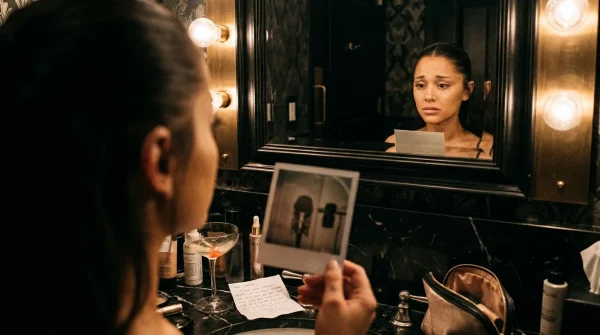
A single hairline fracture cuts across the glass of a cracked smartphone screen, illuminating a hastily drafted statement in the default Notes app. The room smells of stale room-service coffee and backstage dampness, the muted hum of a cooling arena soundboard lingering in the distance. To the outside observer, that glowing rectangle of text looks like a raw, unvarnished surrender to human limitation.
We have grown accustomed to the mechanics of modern pop stardom breaking down in public view. When an artist steps back, our immediate cultural instinct is pure, unfiltered empathy, picturing a solitary figure finally choosing wellness over the relentless churn of touring schedules and spotlight glare.
Yet behind the glowing screen sits an entire architecture of representation, legal liability, and calculated risk management. When a beloved artist shares their deep, authentic exhaustion, the timing of that disclosure often carries a secondary, unpublicized burden: acting as a protective barrier before an impending institutional conflict spills into the public record.
The Anatomy of the Relatability Shield
Pop culture operates on a simple emotional contract: vulnerability breeds absolute protection. When an artist admits to physical or mental exhaustion, the public instinct forms an impenetrable perimeter around them. Criticizing a struggling performer feels callous, effectively silencing aggressive reporting before it gains momentum.
Consider this mechanism not as cynical deceit, but as an emergency flare deployed over boardroom friction. Long before a performer reaches a breaking point on stage, behind-the-scenes tensions between management factions, label executives, and live-tour promoters often reach a boiling point regarding unfulfilled performance clauses and mounting logistical deficits.
When an impending trade expose threatens to document bitter management splits or contract disputes, the narrative narrative frame is zero-sum. If the corporate conflict breaks first, the narrative centers on greed, breach of contract, and professional instability. If the personal exhaustion narrative breaks first, any subsequent reporting on boardroom legal battles appears unfeeling and irrelevant.
- Warner Bros intentionally blocks press campaigns to force massive production tax write downs
- Jennifer Love Hewitt retro clip waves resurfaced to hide intense production royalty disputes
- Emma Chamberlain raw bedroom video exposes strict talent agency scripting behind casual moments
- Connie Britton streaming rerun checks reveal tiny payouts despite massive digital viewing spikes
- Jim Carrey on set method immersion derails studio trust during Man on the Moon
Elena Vance, a 42-year-old entertainment crisis strategist based in London, observes this dynamic routinely during high-stakes tour cancellations. Vance points out that publicists do not invent exhaustion; rather, they weaponize an artist’s genuine, undeniable struggle to neutralize administrative fallout. By controlling the exact hour of disclosure, a team ensures that the public conversation centers on human fragility rather than financial non-performance.
The Three Layers of Pre-Emptive Narrative Control
Understanding how personal disclosures intersect with executive disputes requires looking at the three operational layers of modern crisis rollouts.
The Boardroom Freeze
When an artist announces an indefinite hiatus, ongoing negotiations between competing management entities are instantly frozen. Legal teams representing disgruntled stakeholders face severe reputational damage if they file formal breach-of-contract notices against an artist who has just laid bare their vulnerabilities. The announcement effectively forces hostile corporate partners to accept quiet settlements behind closed doors.
The Parasocial Firewall
Superfans act as a rapid-response defense force across social platforms. By framing the hiatus through raw, informal language—often distributed directly through screenshot messages rather than formatted press releases—the artist secures unconditional fan loyalty. Any investigative reporting that emerges regarding executive infighting is immediately drowned out by organized displays of community support.
The Narrative Pre-Emption
Major publications running investigative pieces rely on balanced timing, offering subjects a standard window to comment on impending stories. Releasing a public burnout statement during this precise verification window strips the upcoming exposé of its scoop value. The story transforms from an exclusive investigation into a footnote beneath a massive wave of global sympathy.
Decoding the Mechanics of Modern Celebrity Pauses
Recognizing the strategic architecture around public confessions does not require discarding genuine empathy. Instead, it invites a more sophisticated reading of modern entertainment media. When evaluating high-profile career pauses, look for these specific timing markers:
- The 48-Hour Proximity: Hiatus statements frequently drop less than two days before weekly entertainment trade publications publish investigative features or corporate transition memos.
- The Tone Shift: A sudden pivot from polished studio updates to raw, unformatted social text signals an immediate need to humanize an escalating administrative crisis.
- The Absence of Corporate Attribution: Statements omitting standard corporate PR disclaimers are designed to look spontaneous, even when vetted by crisis litigation attorneys.
- Settlement Velocity: Notice how corporate disputes that previously seemed headed for litigation quietly dissolve into amicable split notices weeks after the public focus shifts to health.
The Clear Lens on Public Vulnerability
Seeing the calculated strategy behind modern celebrity disclosures does not mean the human suffering is fabricated. Burnout in the entertainment industry is real, brutal, and often devastating to those who experience it. Lewis Capaldi’s candid openness about his personal battles has offered real comfort to millions facing their own unseen pressures.
The true perspective shift lies in understanding that in multi-million-dollar entertainment ecosystems, genuine human pain and tactical public relations are not mutually exclusive. They exist simultaneously. Recognizing the deliberate timing of an announcement does not make you cynical; it makes you an observant reader of the modern cultural landscape, able to honor an individual’s struggle while seeing the corporate machinery operating quietly in the shadows.
Public vulnerability is the most potent shield in modern media because no corporate grievance can survive the optics of attacking a wounded star.
| Key Point | Detail | Added Value for the Reader |
|---|---|---|
| Tactical Timing | Announcements often drop directly ahead of trade exposés. | Helps decode why sudden hiatuses coincide with executive reshuffles. |
| Legal Insulation | Public disclosure creates reputational barriers against lawsuits. | Explains why corporate partners settle quietly during health pauses. |
| Media Literacy | Authentic pain can be strategically directed by PR teams. | Allows audiences to maintain empathy without being manipulated by optics. |
Frequently Asked Questions
Does strategic timing mean an artist’s exhaustion is fake?
No. The physical and emotional fatigue is almost always completely genuine; the strategy lies strictly in choosing the precise moment and method of public disclosure to protect the artist legally and reputationally.Why do publicists use Notes app screenshots instead of official statements?
Unformatted screenshots feel personal, immediate, and intimate, bypassing the perceived coldness of corporate PR and instantly generating deeper parasocial support from fans.How do trade publications react when pre-empted by an artist?
Outlets are often forced to reframe investigative pieces from hard-hitting corporate scoops into secondary background context, dramatically softening the impact of the original report.What happens to tour contracts when an artist takes a health hiatus?
Insurance clauses and force majeure provisions are activated, but the surrounding public sympathy prevents promoters from aggressively challenging the cancellations in court.How can readers spot the difference between pure updates and PR maneuvers?
Look at the corporate landscape surrounding the date: sudden management resignations, quiet label shifts, or canceled partner deals immediately following a statement usually indicate pre-emptive positioning.