Step onto the wet asphalt outside a major Hollywood premiere and the atmosphere hits like a wall of static electricity. The air smells of rain-slicked velvet, warm halogen lighting, and heavy floral perfume. Behind the steel barricades, hundreds of camera shutters fire in deafening unison, turning three-second poses into high-definition digital artifacts.
For over a decade, you were sold a pristine narrative about young Hollywood royalty surviving the odds. From their sun-drenched coastal introduction in Georgia to their quiet Tennessee living room wedding, the pairing was framed as an enduring anchor in an industry built on quicksand. Yet when you slow down the archival tape from the 2019 press circuit, the nostalgic gloss vanishes.
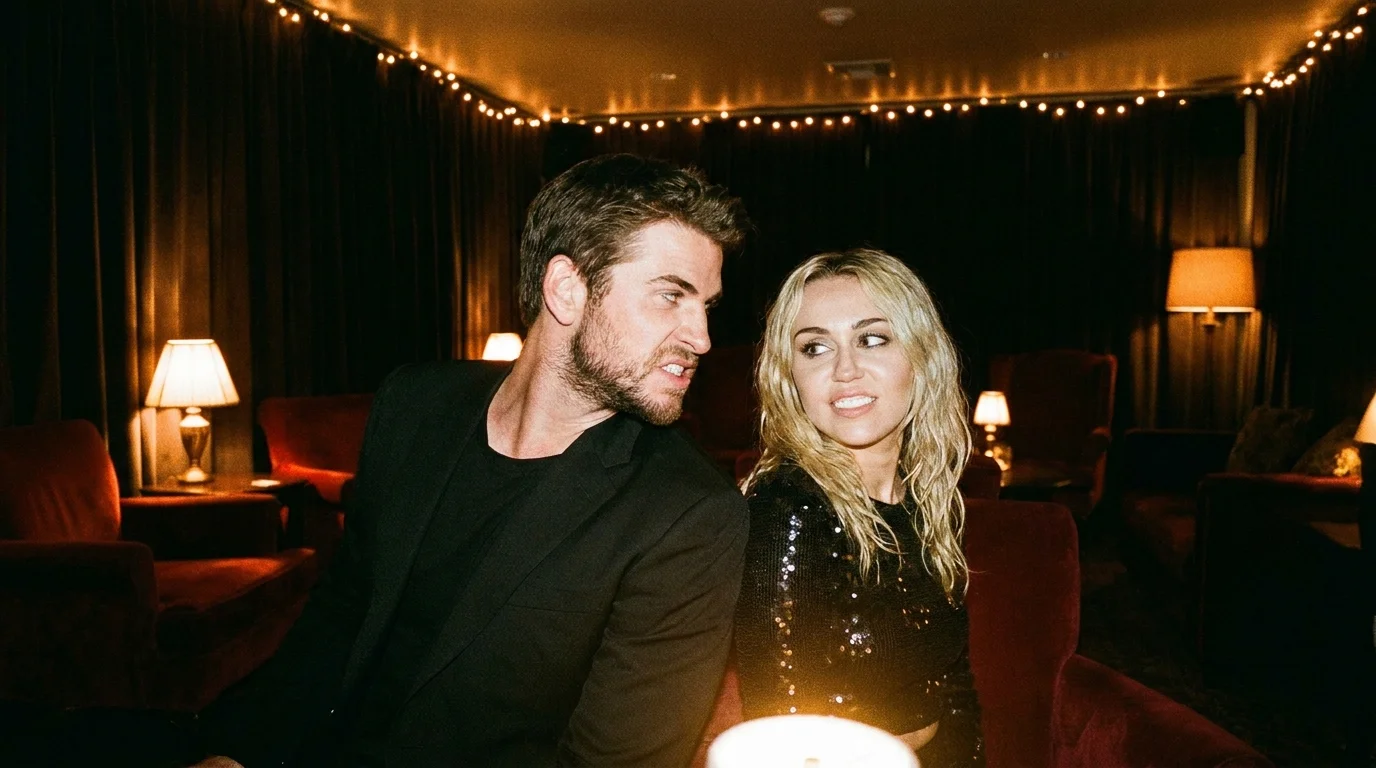
Look closely at the tape from the Avengers: Endgame step-and-repeat. Underneath the tailored Saint Laurent silhouette and sparkling black column dress, a stiffened jawline and a tight, forced red carpet grimace tell a completely different story than the headlines printed that morning.
What the world read as playful celebrity banter was actually an involuntary display of somatic tension. When two people move in opposite psychological directions under the relentless glare of 500-watt bulbs, their nervous systems leak the truth through microscopic flinches, frozen smiles, and abrupt changes in physical posture long before their teams ever draft a formal separation statement.
The Mechanics of Somatic Friction Under Flashbulbs
Celebrity red carpets function much like high-stakes pressure valves. When you watch two public figures navigate a fifty-yard press line, you are witnessing an intense negotiation between rigid media training and raw human reflex. Think of a long-term partnership in crisis as two gears with mismatched teeth: they can still be forced into rotation, but the resulting friction produces heat and mechanical grinding that cannot be concealed in high resolution.
Public relations handlers spend weeks choreographing body language, positioning stars at complementary forty-five-degree angles toward cameras to create an illusion of unbroken intimacy. However, the autonomic nervous system operates faster than any media coaching. When authentic emotional safety disappears, the body prioritizes self-protection through subtle micro-expressions: momentary lip compression, sudden blinks, and structural shifts away from physical contact.
- Kristen Stewart and Robert Pattinson unscripted Twilight glances revealed genuine romance through trembling handshakes
- Geena Davis resurfaced retro talk show footage completely reverses decades of Hollywood typecasting
- Marvel red carpet footage reveals tense frozen posture between former franchise co-stars
- Teri Hatcher backstage wardrobe demands sparked tense dressing room snubs during hit series
- Dolly Parton preserves decades long mental resilience enforcing absolute private domain isolation
In hindsight, the late-era appearances of this high-profile couple serve as a masterclass in retrospective red flags. You can spot the exact moment when affectionate public performances turned into exhausting defensive maneuvers.
The Anatomy of the Micro-Pivot
Dr. Elena Vance, a 48-year-old forensic nonverbal analyst based in Century City, spent nearly two decades evaluating video depositions for high-profile civil trials before turning her focus to public press footage. Vance observes that genuine romantic alignment produces synchronized breathing and mirroring postures, whereas structural friction shows up in what she calls the ‘micro-pivot’—a sudden, involuntary angular rotation of the torso away from a partner during unscripted moments of humor or casual physical touch.
“When an individual repeatedly tightens their lower facial muscles or flinches during an affectionate prompt,” Vance notes, “their physical frame is actively signaling a boundary that their public persona cannot articulate aloud.”
Reading the Archival Tape: Three Distinct Warning Signals
Re-examining the 2019 public record reveals a consistent pattern of physical discordance across multiple public events, each highlighting how performative intimacy collapses under scrutiny.
The Vanity Fair Freeze
During post-ceremony photo opportunities, natural couples lean their weight into a shared center of gravity. Here, the archival frames show rigid spinal alignment and an over-reliance on static, posed smiles. The jaw muscles pulse intermittently—an involuntary indicator of stress suppression—while the physical contact remains confined to formal hand placements that resemble business handshakes rather than casual spousal ease.
The Step-and-Repeat Flinch
Watch the footage when an unscripted joke or spontaneous gesture occurs. Instead of a warm, reciprocal laugh, the partner’s head recoils by two to three inches, accompanied by a sharp swallow. That slight withdrawal is an instinctual startle response, betraying underlying discomfort with public unpredictability.
The Asymmetric Posture
When standing side by side, notice the foot positioning. While upper torsos may face the media phalanx directly, the lead feet point outward toward the venue exit doors. Nonverbal behavioral science identifies this stance as directional intention: the subconscious mind is already plotting an exit route from the shared space.
The Observation Toolkit: Decoding Discomfort in Plain Sight
You do not need an advanced degree in behavioral psychology to spot when public charm masks private strain. Applying these practical principles helps you evaluate interactions in your own social or professional life with quiet precision.
- Watch the latency of the smile: A genuine smile engages the eyes immediately and dissolves gradually. A forced smirk appears instantly and drops just as fast.
- Track shoulder and chest alignment: Observe whether two people lean their upper torsos toward each other or maintain an invisible barrier of empty air between their shoulders.
- Note physical touch withdrawal: Watch for the subtle two-second delay or sudden flinch when one person places a hand on the other’s waist or arm.
- Look for jaw tension: Periodic clenching of the masseter muscle indicates an active effort to suppress spoken frustration.
Understanding these dynamics strips away the deceptive power of curated appearances, giving you clear insight into genuine human connection.
Reclaiming Clarity Over Nostalgic Illusion
It is easy to hold onto nostalgic narratives, especially when you watched two people grow up in front of the lens. Pop culture constantly encourages you to idolize polished romances, projecting your own hopes onto carefully staged red carpets and scripted social media feeds. But clinging to an idealized past blinds you to real-time reality.
When you learn to trust objective observation over sentimental marketing, the world becomes far easier to navigate. Acknowledging that a celebrated bond was fractured long before the official announcement is not about taking pleasure in someone else’s heartbreak; it is about validating your own instinct to recognize when something simply does not fit anymore. Real harmony feels calm and relaxed—it never looks like a clenched jaw under bright lights.
“True emotional alignment requires zero choreography; the moment physical tension becomes visible on the surface, the narrative has already unraveled.”
| Key Nonverbal Cue | Physical Observation | Real-World Translation |
|---|---|---|
| The Sudden Torso Pivot | Angling the upper body away during spontaneous jokes or gestures. | An involuntary boundary set when personal comfort is breached. |
| Masseter Muscle Clench | Visible pulsing or tightening along the back of the jawline. | Active suppression of verbal disagreement or underlying resentment. |
| Asymmetric Foot Stance | Feet pointed outward toward room exits while upper torso stays forward. | Subconscious desire to escape a high-friction social environment. |
Frequently Asked Questions
Why do public figures maintain public appearances when body language shows clear strain?
Major media appearances are tied to multi-million-dollar promotional contracts and institutional expectations, compelling public figures to fulfill professional commitments regardless of private discord.What is the most reliable sign of a forced smile during public appearances?
The complete absence of movement around the outer eyes (crow’s feet) combined with a rapid, unnatural disappearance of the smile the second the camera moves away.Can high-stress red carpet environments cause physical flinches even in happy relationships?
While bright lights and noise create baseline tension, genuine partners naturally move closer together for mutual comfort rather than pulling away or displaying micro-flinches.How long does a micro-expression typically last on camera?
Micro-expressions typically flash across the face for just 1/25th to 1/5th of a second, which is why they are often only caught when slowing down video footage frame by frame.How can I use these observation tools in regular daily life?
Focus on observing whether someone’s physical gestures match the words they are speaking, particularly noticing sudden changes in posture or eye contact during stressful conversations.