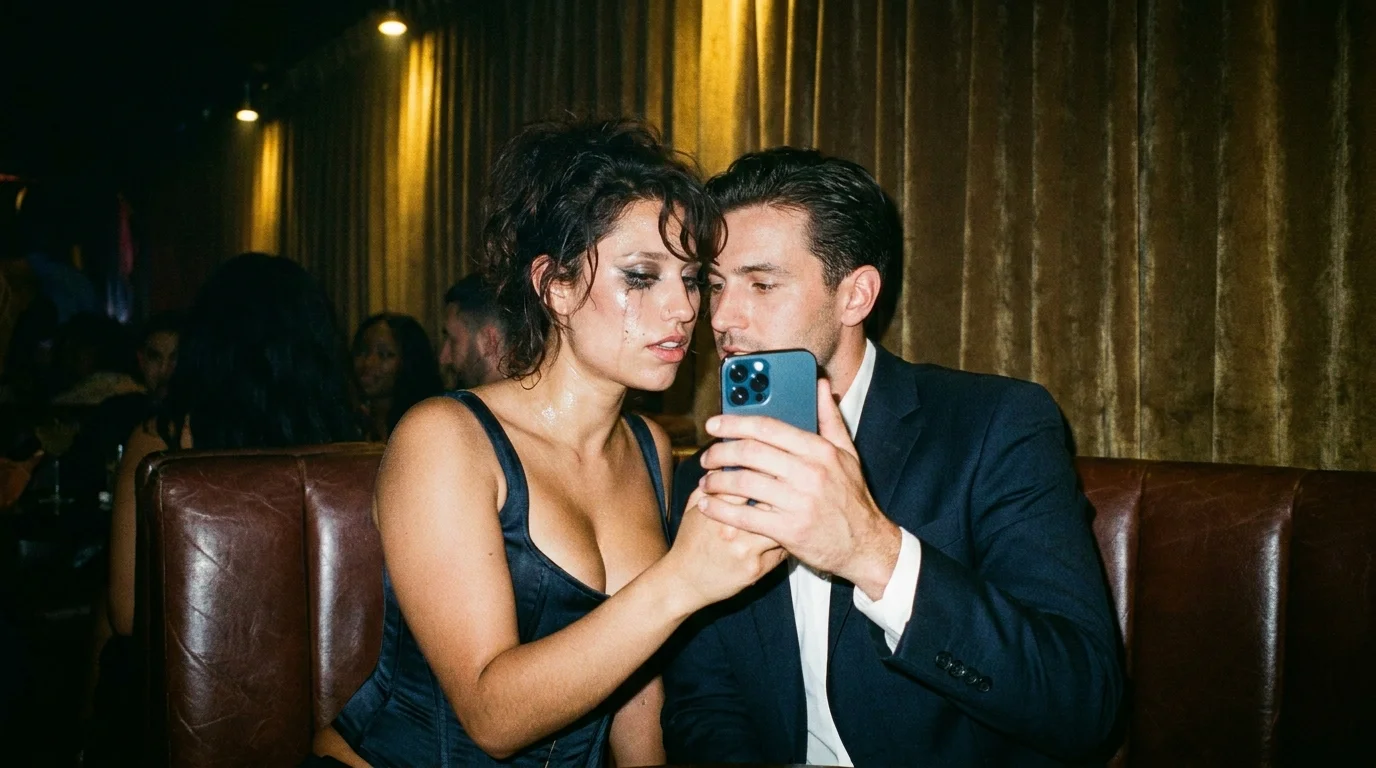
The front-camera glare bounces harshly against wet mascara streaks while a hotel room air conditioner hums in the background. You watch the framing falter for a second as fingers adjust the lens, catching an uncurated corner of an unmade bed and a half-empty glass of room-service water. It feels almost invasive to watch—a raw, late-night confession from a chart-topping artist speaking directly into your palm, voice cracking under the sheer weight of relentless industry pressure.
Standard intuition tells you that this is pure, unfiltered human breakdown caught in real time. We are conditioned to treat low-resolution video, missing studio makeup, and unsteady breathing as undeniable signatures of organic truth. When an artist of Raye’s caliber admits to fame fatigue, your immediate instinct is to offer empathy to someone suffocating under the machinery of global pop visibility.
Yet within modern entertainment management, manufactured intimacy serves specific agendas. What appears on your feed as an impulsive 2:00 AM cry for help often sits on a shared agency calendar marked weeks in advance. The timing rarely happens by accident; it lands right before festival dates drop or ticket presale links go live.
The Acoustic Set of Crisis PR
For decades, entertainment machines relied on glossy magazine spreads and formal statements to adjust public perception. Today, audiences see through polished press releases in seconds, viewing pristine corporate apologies as defensive maneuvers. To cut through digital cynicism, publicists have traded the teleprompter for the vertical screen, stripping away production value to construct weaponized vulnerability.
Think of it as the modern emotional acoustic set. Just as a rock band strips away amplifiers and distortion pedals to convince you of their artistic purity, a modern pop team strips away lighting rigs and hair stylists to manufacture instant relatability. The deliberate absence of polish becomes the most sophisticated marketing asset in the entire campaign roll-out.
Elena Vance, a 38-year-old entertainment brand strategist based in Los Angeles, spends her days designing these calculated pivots for touring musicians. Last spring, she mapped out an entire vulnerability roadmap for a client struggling with oversaturation. “Audiences don’t want untouchable idols anymore; they want weary survivors,” Vance explains quietly. “If a client is heading into an expensive arena run, we don’t start with fireworks. We script the exhaustion first so fans feel morally obligated to buy a ticket to support their healing.”
- Coyote vs. Acme studio executives suppressed press junkets demanding massive tax write downs
- Freaky Friday viral throwback clips surge across feeds blocking a studio contract feud
- Kai Cenat bedroom livestream sparks intense skepticism exposing scripted agency lighting setups
- Daniel Craig and Rachel Weisz movie scenes expose raw unscripted intimacy cues
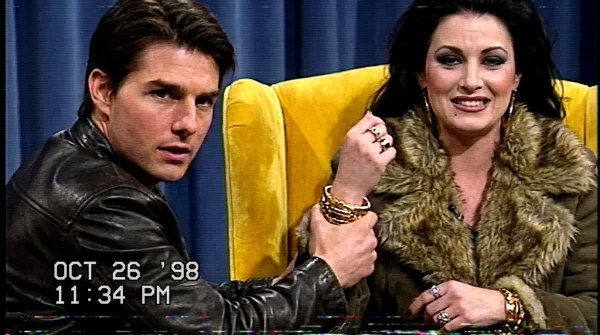
- Tom Cruise and Katie Holmes archival interviews reveal tense rigid posture warnings
The Three Layers of Calculated Vulnerability
When you dissect these viral fatigue moments across the pop landscape, they almost always follow three distinct operational layers. Recognizing these patterns helps you separate genuine human strain from strategic brand maintenance.
1. The Pre-Cycle Exhaustion Reset
Before launching a punishing world tour or dropping an album pricing tier that might trigger backlash, teams introduce a deliberate moment of personal struggle. This lowers public expectations regarding high-energy perfection while building a protective cushion against future criticism. If an artist misses a vocal cue or cancels a media appearance later, the narrative of quiet endurance is already firmly established in your subconscious.
2. The Relatability Buffer
Mega-fame alienates audiences quickly because private jets, VIP green rooms, and luxury designer partnerships break the illusion of common ground. A bedroom confessional about sleep deprivation, loneliness, or creative burnout bridges that wealth gap in ninety seconds flat. It reminds you that despite their millions, they bleed, panic, and cry under the same blue light of a smartphone screen just like you.
3. The Sympathy Algorithm Pivot
Social media algorithms heavily favor content that triggers long watch times and protective comment sections. Tearful direct-to-camera videos achieve astronomical engagement rates without spending a single dollar on paid promotional placement. The confession creates an army of hyper-defensive fans who will flood comment threads to drown out legitimate artistic critique or contract scrutiny.
How to Decode the Confession Blueprint
Evaluating digital content with a clear, analytical eye does not require you to become callous. It simply means understanding the mechanics behind the screen so you can protect your emotional energy. Here is how to audit the timeline whenever an artist releases a raw, unedited vulnerability video:
- Check the calendar perimeter: Look at the 14-day window following the video upload. If an album announcement, single drop, or massive tour date release follows the confession within two weeks, the timing is structural rather than spontaneous.
- Analyze the staging cues: Look for deliberate anti-glamour choices. Unwashed hair, oversized basic hoodies, floor seating, and natural window lighting are deliberate visual cues chosen to signal authentic distress.
- Track the narrative arc: Note how quickly the video shifts from raw despair to artistic gratitude. A scripted confession almost always pivots toward thanking the listener for being the artist’s sole reason to keep creating music.
Keep a minimal tactical checklist in mind when these clips appear on your feed. Pay attention to the sudden spike in interaction across secondary media channels, the synchronized coverage from major music blogs within three hours, and the immediate deployment of pre-written supportive quotes from industry peers.
Reclaiming Your Emotional Real Estate
Living in an age of weaponized empathy requires building healthy boundaries around what you consume. When multi-million-dollar entertainment brands disguise promotional lead-ins as mental health emergencies, they commodify your natural human instinct to care. The goal is never to become cold or dismissive of real human pain, but to realize that celebrity social media feeds are carefully manicured storefronts.
When you recognize the machinery behind the tears, the illusion loses its grip. You can appreciate an artist’s remarkable vocal talent and celebrate their creative output without letting their PR agency manipulate your personal empathy for market share. Real boundaries allow you to enjoy pop culture without becoming an unpaid extra in someone else’s carefully planned redemption script.
“True vulnerability seeks private healing; calculated vulnerability demands a public audience and a pre-order link.”
| Key Point | Detail | Added Value for the Reader |
|---|---|---|
| The 14-Day Proximity Rule | Confession clips frequently precede major commercial rollouts by one to two weeks. | Helps you spot upcoming product launches before they are formally announced. |
| Anti-Production Staging | Deliberate low-fi choices (bad lighting, no makeup) mimic spontaneous crisis. | Allows you to separate raw human distress from calculated brand re-centering. |
| Engagement Laundering | Sympathy-driven comments boost organic reach across social platform algorithms. | Prevents you from wasting personal emotional energy on automated marketing tactics. |
Frequently Asked Questions
Does this mean the artist is entirely faking their emotional pain?
Not necessarily. True exhaustion and strategic planning often overlap. The pain might be real, but the decision on when, where, and how to broadcast it is almost always managed by PR consultants to maximize commercial benefit.Why do artists choose vertical phone video over television interviews for these statements?
Vertical smartphone video creates artificial parasocial intimacy. It mirrors the way your closest friends communicate with you, bypassing the mental filters you normally apply to formal media appearances.How can I tell if a celebrity video is truly spontaneous?
Genuine spontaneity rarely contains clean narrative arcs or strategic pivots toward upcoming work. If the video resolves with promises of new music or tickets, it was planned.Why are publicists using vulnerability instead of traditional glamor?
Modern audiences mistrust untouchable perfection. In the attention economy, relatability and emotional survival stories generate higher loyalty and merchandise sales than luxury aesthetics.What is the healthiest way to engage with these celebrity confession clips?
Enjoy the music, observe the narrative from a curious distance, and keep your deepest emotional empathy for the real people in your physical everyday life.