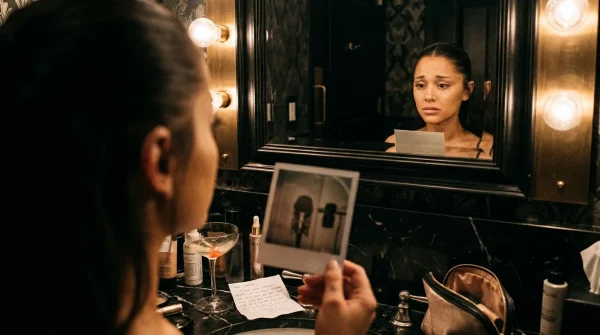
The studio fluorescent tubes hum with a faint, metallic drone overhead. Cold catering coffee steams on an equipment case nearby, mixing with the scent of damp wool wardrobe and unvarnished timber from the soundstage flats. In the monitor glow of the video village, there is no soft gauze stretched across the lens, no warm amber rim lighting to soften the jawline, and absolutely no beauty pass running through the post-production pipeline.
Instead, you see the unmistakable reality of human skin beneath merciless illumination. Deep laugh lines and unpowdered skin stand out crisply against the sensor’s native resolution, capturing every micro-crease around the eyes, the subtle dryness across the brow, and the natural flush of emotion pooling along the cheeks. For decades, major productions treated these physical truths as flaws requiring immediate digital erasure, smoothing actors into plasticized versions of themselves.
When an actor at the height of their artistic power halts the retoucher’s hand, the entire visual language of cinema shifts. The decision to banish digital skin-smoothing and demand unforgiving macro framing is not an accident of vanity in reverse; it is a calculated artistic declaration. It forces you, the viewer, to confront an emotional honesty that smoothed pixels simply cannot deliver.
The Architecture of the Anti-Glamour Signal
In mainstream entertainment, digital beauty work operates like background noise: constantly present, expensive, and designed to lull you into accepting a frictionless illusion. When high-definition digital sensors replaced 35mm film, studios panicked. The microscopic sharpness of modern cameras captured fine lines and uneven pigmentation with startling precision, giving rise to multi-million-dollar ‘beauty clean-up’ budgets in post-production houses across Los Angeles and London.
Refusing this treatment turns your face from a manufactured product into a topographical map of lived experience. Think of a rough-hewn oak table compared to a slab of polished laminate. The laminate is smooth and easy to wipe down, but it carries no history. The weathered oak holds character in every grain, knot, and dent. By welcoming harsh overhead light and demanding that post-production artists leave crow’s feet and sun spots alone, a performer instantly strips away Hollywood distance, creating an intimate, almost startling bridge to the audience.
This deliberate exposure functions as an anti-glamour prestige signal. It communicates that the story taking place on screen matters far more than the preservation of a timeless celebrity brand. Authenticity becomes the ultimate luxury in an era saturated with generative algorithms and social media blurring filters.
- Florence Welch stops massive festival set after harsh monitor feedback shock
- Rachel Zegler exposes calculated agency rollout behind staged emotional burnout confessions
- Jessica Simpson sparks ghostwriter speculation over identical literary phrasing in tell-all book
- Sony Pictures blocks promotional press junkets orchestrating an intentional superhero tax write-down
- Justin Timberlake derails active legal headlines using coordinated nostalgic boyband throwback clips
The View from the Grading Suite
Sarah Lin, a 44-year-old veteran digital intermediate colorist based in Atlanta, remembers the exact moment the industry’s beauty obsession reached a breaking point. “Ten years ago, my primary job on prestige television drama was quietly painting out under-eye bags, neck lines, and skin texture using automated tracking software,” she notes. “We were routinely delivering files where fifty-year-old detectives looked like porcelain dolls under crime scene floods. When a lead actor sends down a signed directive forbidding digital cosmetic passes, it changes how we grade the entire show. We stop hiding the actor behind digital paint and start lighting the truth of the scene.”
The Layers of Unfiltered Presence
The refusal to hide behind digital softening alters how different audiences connect with a story. Here is how that deliberate choice functions across three distinct viewing dynamics:
1. The Visual Storyteller
For cinematographers and directors, natural skin texture is an active narrative tool. Light catches the edges of real skin differently than smoothed digital planes. Every furrow conveys genuine fatigue, grief, or tension without requiring exaggerated facial gymnastics to register through heavy cosmetic diffusion.
2. The Modern Spectator
Audiences have developed acute subconscious fatigue from ubiquitous face-smoothing technology. When you watch a gritty character solve a harrowing crime or navigate domestic collapse with poreless, airbrushed skin, the brain registers an instinctive disconnect. Seeing unpowdered skin and natural aging resets your emotional investment, grounding the fictional stakes in recognizable reality.
3. The Performer’s Authority
Choosing unfiltered exposure allows seasoned performers to reclaim their craft from the youth-obsessed studio system. Aging shifts into narrative armor, transforming what the industry long deemed a liability into an undeniable badge of prestige and authority.
Reading the Unfiltered Frame: A Tactical Toolkit
Spotting authentic cinematography over cosmetic post-processing requires understanding what happens on set versus inside the editing bay. Look for these specific visual markers during your next screening:
- Specular Skin Highlights: Natural sebum and unpowdered skin reflect direct set lamps with tiny, crisp pinpoint highlights, whereas cosmetic filters create a hazy, matte blur across the forehead and cheekbones.
- Dynamic Micro-Expressions: Watch the corner of the eyes during subtle emotional shifts. Real skin bunches, crinkles, and relaxes organically, while digital smoothing makes the surrounding skin look static or disconnected from the movement of the eye muscles.
- Grain Consistency: True optical camera capture maintains uniform sensor noise across the entire image. If the background shows crisp grain but the actor’s face looks strangely milky, a digital beauty mask is actively smoothing the skin.
Cinematographers achieve this look by utilizing Cooke or vintage Panavision prime lenses paired with wide apertures, allowing natural skin texture to command the focal plane without harsh digital sharpening artifacts.
Why Texture Overrides Perfection
The cultural obsession with smoothing away every trace of human existence is ultimately a retreat from life itself. When you watch a performer stand under bleak institutional lights, unbothered by the visibility of their wrinkles and uneven skin tone, it provides a quiet, profound relief. It proves that character, depth, and resilience are far more compelling than synthetic preservation.
By championing the raw reality of the human face, artists remind us that our lived marks are not flaws to be scrubbed clean. The real world is textured, imperfect, and rich with history—and the art that reflects it honestly will always outlast the illusion.
Real dramatic power doesn’t live in the absence of flaws; it lives in the courage to let the camera catch every single one of them.
| Visual Approach | Technical Execution | Impact on the Viewer |
|---|---|---|
| Standard Hollywood Beauty Pass | Automated digital smoothing, selective frequency separation, and heavy soft-box diffusion. | Creates an idealized, slightly detached view that prioritizes celebrity preservation over realism. |
| Anti-Glamour Prestige Signal | Macro lenses, direct ambient or fluorescent lighting, and a total ban on cosmetic digital tracking. | Fosters immediate empathy and grounds the dramatic narrative in raw emotional reality. |
| Vintage Optical Diffusion | Physical net filters behind the lens or classic coated glass without post-production manipulation. | Softens contrast organically while retaining genuine skin texture and spatial depth. |
Frequently Asked Questions
Why do some top actors actively refuse digital de-aging or skin-smoothing?
Refusing cosmetic retouching reinforces dramatic credibility. Actors leverage their natural facial texture to convey lived experience, authority, and raw emotion that digital smoothing tends to flatten.How can you tell if a movie or TV show is using digital beauty filters?
Look closely at the actor’s skin under direct light. If the background is sharp with visible film grain, but the actor’s facial skin appears strangely soft, matte, or lacking pores, a digital beauty filter has been applied.Does high-definition digital filming make actors look older?
Modern 4K and 8K digital sensors capture an immense amount of micro-detail. Without soft lighting or heavy makeup, high-resolution cameras highlight natural wrinkles and skin texture with clinical precision.What is the difference between physical lens filters and post-production smoothing?
Physical lens filters scatter light organically before it hits the sensor, softening highlights while preserving underlying geometry. Digital smoothing uses computer tracking software to blur and repaint skin pixels after filming is complete.Why is this trend especially prominent in gritty prestige dramas?
Prestige dramas rely on emotional immersion. High-glamour, poreless aesthetics break the illusion of working-class, stressed, or traumatized characters, whereas raw skin texture reinforces the weight of the story.