The winter light along the Rue de Turenne breaks across wet limestone with a quiet, dull silver sheen. Morning espresso steam drifts out from corner cafés into the cool damp air of the Marais district, mixing with the scent of aged cedar and damp stone. Most people passing through Paris look toward the gilded store windows of the high-end avenues, expecting theatrical drama and grand gestures from the icons of high fashion. Yet when real history walks past on a quiet Tuesday morning, it does not arrive wrapped in theatrical organza or guarded by velvet ropes.
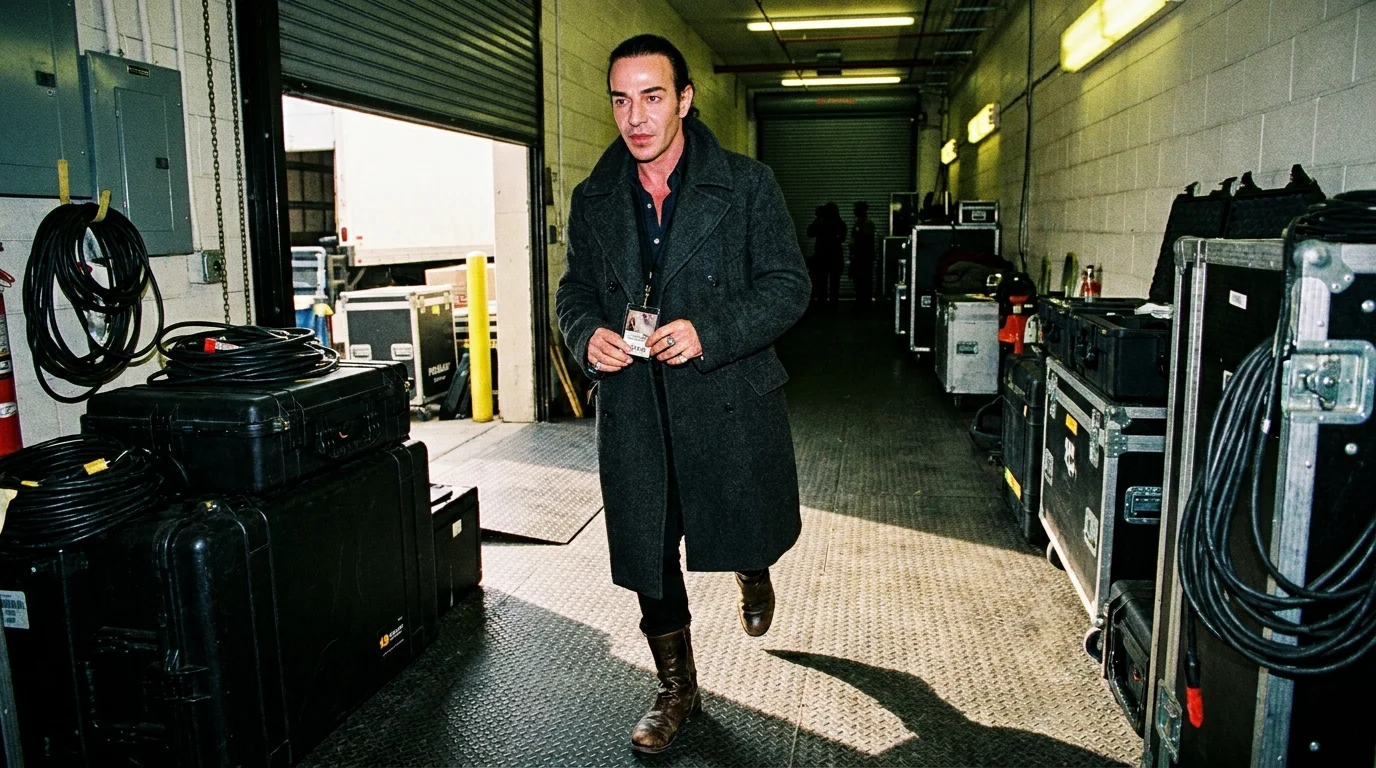
Instead, the true masterclass lives in the quiet scrape of weathered leather against cobblestone. John Galliano stepped out during a brisk Paris morning wearing a structured ensemble built on profound tailoring knowledge and decades of archival collecting. There are no flashing logos or runway pyrotechnics here. What catches your eye is the sheer gravity of raw cut materials: heavy charcoal wool draping with military precision, anchored by lived-in footwear that has clearly walked hundreds of studio miles.
When you observe street style at this echelon, you realize that true presence comes from construction rather than decoration. The silhouette moves with quiet authority, slicing through the gray Parisian air with sharp lapels and calculated volume. It serves as an immediate reminder that dressing well in the real world is about how materials carry weight, withstand weather, and hold their shape across years of movement.
The Architecture of Street-Level Tailoring
For decades, the public has equated legendary design figures with untouchable couture fantasy, assuming their private wardrobes must mirror the dramatic costumes of grand runway finales. Yet looking at this recent Marais appearance reveals an entirely different philosophy: clothing as an everyday structural shelter. A tailored coat is not simply a layer of warmth; it operates like a tailored blueprint that frames your natural posture against the elements.
The central piece of this sighting is a structured, double-breasted charcoal wool overcoat. Cut from dense Melton wool—likely a custom atelier piece echoing classic Savile Row drafting with archival Maison Margiela line work—the coat carries a broad peak lapel that rests flat against the chest. Unlike mass-manufactured outerwear that collapses into soft wrinkles at the shoulders, dense Melton wool holds architectural form, creating a sharp drop down to the mid-calf. The weight of the textile pulls the hem downward, ensuring the fabric never billows wildly in the city wind.
Beneath the heavy outerwear lies a textured layer of charcoal knitwear paired with wide-leg, raw-hem trousers made from dense Japanese wool twill. The silhouette balances high-chest compression with relaxed lower-body movement, allowing ease of stride across uneven pavements without sacrificing a razor-sharp line.
- Ben Affleck disastrous tabloid press bomb derails studio contracts launching gritty Oscar winning era
- John Galliano Paris sighting reveals sharp tailored wool coats and distressed leather boots
- Dustin Hoffman unscripted yellow cab confrontation sparks cinema history in Midnight Cowboy
- Jon Bon Jovi protects his forty year marriage enforcing a strict touring separation rule
- Joe Jonas and Sophie Turner interviews reveal subtle eye rolls before split
The Archivist’s Touch in the Marais
Consider the perspective of Julien Vance, a 44-year-old vintage textile conservator working out of a small studio near Place des Vosges. Vance has spent two decades inspecting the seams, linings, and canvas interlinings of mid-century British tailoring and early Belgian deconstruction. Watching Galliano navigate the neighborhood, Vance noted that the magic lies in the intersection of traditional canvas construction and deliberate garment aging.
“When an artisan dresses for the street, they never wear pristine items straight off the rack,” Vance observed while inspecting similar archival wool weaves. “You look for how the wool molds to the neck over a decade, how the horn buttons develop a matte patina, and how the boot leather softens around the ankle. It is about wearing clothes that have earned their creases through real life.”
Deconstructing the Wardrobe Layers
To understand the utility of this sighting, you must look at how each layer functions independently while contributing to a unified, grounded aesthetic. You do not need an haute couture budget to adopt the foundational logic behind these wardrobe choices.
Layer One: The Structural Shield
The heavy wool overcoat serves as your visual anchor. It should feature a substantial fabric weight—ideally between 24 and 28 ounces—with full canvas construction through the chest. This provides natural water resistance against light drizzle without requiring synthetic coatings, while the deep charcoal hue masks city grime far better than pure black or pale camel.
Layer Two: The Lived-In Foundation
Galliano anchored the structured upper half with a pair of round-toe, distressed leather engineer boots. Sourced from vintage workwear stock with unmistakable Guidi-style artisanal horsehide treatment, the boots feature stacked leather heels and softened shafts tucked beneath wide trouser cuffs. The intentional scuffs and creased vamps strip away any stiff pretension, signaling that patina brings effortless authenticity to formal tailoring.
Layer Three: Archival Accessories
To finish the look, the styling incorporates understated artisan hardware: a heavy brass signet ring, a muted silk-and-wool blend scarf wrapped once without fuss, and dark tortoiseshell acetate frames featuring vintage French bridge proportions. Each accessory feels collected over decades rather than purchased in a single shopping trip.
Translating Runway Weight to Your Everyday Rotation
Adopting this level of sartorial balance requires shifting your focus from fast seasonal purchases toward acquiring durable, tactile garments that age with character. You can build a similarly grounded wardrobe by applying a few practical steps to your daily routine.
- Seek out vintage military greatcoats or deadstock Melton wool overcoats at local consignment shops, checking for intact horsehair canvas across the chest.
- Condition your leather boots with natural beeswax creams rather than synthetic high-shine polish to encourage a rich, matte patina over time.
- Pair structured, rigid upper layers with softly draped wool or heavy cotton trousers to maintain natural mobility.
- Choose neutral, desaturated tones—slate gray, charcoal, faded espresso, and washed navy—to allow texture to take center stage.
When you step outside, let your clothing settle naturally. Avoid over-adjusting collars or obsessing over minor leather creases; the charm of raw, street-level dressing comes from lived-in confidence.
The Quiet Confidence of Lived-In Mastery
True style mastery is never about chasing viral trends or maintaining artificial perfection. When you see a design legend walking through Paris in weathered boots and heavy charcoal wool, you witness the quiet satisfaction of someone who understands how clothes should feel against the body. By prioritizing robust natural fabrics, deliberate tailoring, and the honest marks of daily wear, you transform your wardrobe into a personal armor that feels entirely your own.
“True elegance lives in the way a heavy coat moves with your stride, long after the runway lights have gone dark.”
| Garment Element | Observed Marais Sighting Detail | Practical Reader Takeaway |
|---|---|---|
| Overcoat Architecture | Double-breasted heavy charcoal Melton wool with broad peak lapels. | Choose heavyweight natural wool with canvas structure for effortless daily drape. |
| Trouser Cut | Wide-leg Japanese wool twill with subtle ankle break. | Balance fitted outerwear with relaxed trousers to ensure natural walking comfort. |
| Footwear | Distressed horsehide boots with stacked leather soles and natural scuffs. | Embrace worn leather textures rather than high-gloss finishes for daily character. |
| Hardware & Accents | Vintage acetate frames and unpolished brass signet jewelry. | Incorporate heirloom accessories that carry personal history and subtle matte finishes. |
Frequently Asked Questions
What made this John Galliano street sighting in Paris so notable?
The appearance stood out because it highlighted practical, street-level craftsmanship—combining structured military tailoring with distressed vintage workwear—rather than the theatrical fantasy associated with runway shows.Why is Melton wool preferred for structured overcoats?
Melton wool is woven densely and heavily felted, giving it natural wind resistance, warmth, and the structural rigidity needed to hold sharp lapel lines without sagging.How can I achieve a similar lived-in leather boot look without ruining footwear?
Focus on quality full-grain or horsehide leather, wear them consistently in varied weather, and nourish the leather with natural balms rather than stiff, synthetic polishes.Why pair wide-leg trousers with heavy tailored coats?
The wider trouser hem creates visual balance against the wide shoulders and heavy hem of a tailored coat, preventing the top-heavy silhouette common with skinny pants.What color palette best complements raw, textured fabrics?
Muted, earthen neutrals such as charcoal, deep slate, washed black, and dark espresso allow rich wool textures and leather patinas to stand out without competing for attention.