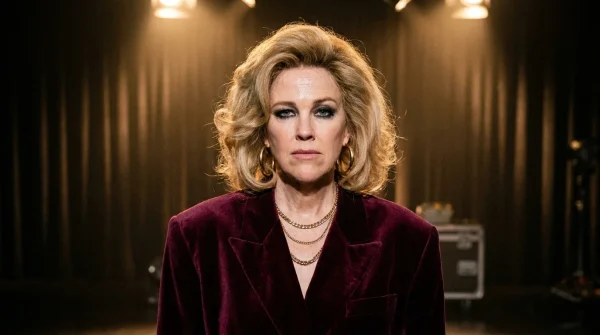
The studio room is soundproofed to absolute silence, wrapped in charcoal acoustic panels where even a whispered breath sounds intimate. You watch the warm amber backlight catch the edge of his cheekbone as the camera cuts to a macro shot. Across the desk, dark foam microphone filters show faint moisture streaks where tears hit the polyurethane mesh during a trembling exhale.
You hear the pause—exactly three seconds of dead air—engineered to make your chest tighten before the voice cracks. It feels like an accidental window into a holy, private grief. You instinctively lean closer to your phone screen, feeling an unearned wave of empathy for a guru who seems to carry the emotional weight of millions.
Then, ninety-six hours later, the algorithmic funnel closes. **A multi-million dollar wellness app** drops into your notification feed with a limited-time subscription tier designed to solve the very pain articulated during that wet-eyed studio confession. What felt like an unscripted human unraveling was actually a meticulously timed commercial overture.
The Architecture of the Engineered Breakdown
When you watch long-form video podcasts, your brain processes vocal fry, dropped gazes, and sudden sobs as genuine evolutionary trust signals. You naturally assume that tears cannot be scheduled on an editorial calendar. Yet in modern lifestyle empires, emotional release functions less like personal healing and more like the opening act of an enterprise software rollout.
The modern media machine understands that traditional high-gloss advertising no longer converts skeptical audiences. To move digital subscriptions at scale, creators must build an emotional tollbooth. **Trust is extracted through performance**, converting your parasocial devotion into active credit card authorizations before your rational defenses can intervene.
Marcus Vance, a 42-year-old Los Angeles audio engineer who spent six years mixing flagship interview shows, remembers the exact moment the industry shifted toward calculated grief. During a high-profile session with a prominent lifestyle figure, the host stopped mid-sentence, requested a five-minute lighting adjustment to accentuate wet eyes, and then rehearsed a weeping childhood memory three times until the cadence matched the background score. For Vance, it confirmed what studio insiders whisper: vulnerability is now simply an asset class.
- John Galliano Paris sighting reveals sharp tailored wool coats and distressed leather boots
- Ben Affleck disastrous tabloid press bomb derails studio contracts launching gritty Oscar winning era
- John Galliano Paris sighting reveals sharp tailored wool coats and distressed leather boots
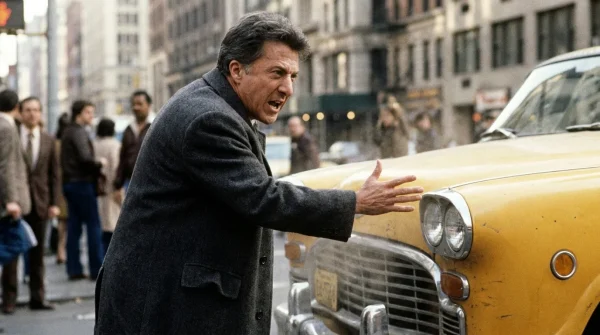
- Dustin Hoffman unscripted yellow cab confrontation sparks cinema history in Midnight Cowboy
- Jon Bon Jovi protects his forty year marriage enforcing a strict touring separation rule
Deconstructing the Three-Phase Conversion Funnel
The rehearsed vulnerability formula operates across three predictable psychological beats. Recognizing these phases allows you to distinguish between genuine human disclosure and market-tested customer acquisition scripts.
1. The Cathartic Setup (Days 0 to 2)
The creator appears on a friendly, allied podcast platform without traditional media gatekeepers. The conversation meanders through mundane triumphs until the host introduces a prompt regarding hidden loneliness or past spiritual crises. **The pacing noticeably slows down**, cueing the audience that something sacred is about to occur.
2. The Micro-Expression Climax (Days 3 to 5)
Short-form vertical video editors carve the crying sequence into five-second hooks. Captions use bold yellow font to emphasize phrases like ‘I never told anyone this’ or ‘I was completely broken.’ These clips saturate algorithmic feeds, accumulating millions of views from users who never hear the full context but absorb the emotional resonance.
3. The Monetized Solution (Days 6 to 10)
With public goodwill and emotional salience at peak saturation, the commercial mechanism activates. The narrative pivots seamlessly from unhealed internal pain to a newly developed daily framework, digital community, or mindfulness platform designed to keep you from suffering that same isolation.
The Listener’s Diagnostic Protocol
You do not have to become cynical to remain grounded. Applying a few minimalist analytical filters protects your attention and your wallet from emotional extraction.
When an influencer breaks down on high-definition audio, pause the playback and observe the structural environment around the moment. **Healthy boundaries require friction**, especially when high-production media attempts to simulate instant spiritual intimacy.
- Check the funnel latency: Track how many calendar days pass between a viral crying clip and the public launch of a book, tour, or recurring subscription.
- Audit the camera discipline: Notice if the camera operator cuts to a dramatic close-up during the breakdown. Genuine unplanned emotion usually creates production panic, not cinematic perfection.
- Examine the audio compression: Engineered sobbing is often cleanly isolated with zero background rustling, indicating intentional microphone positioning and deliberate post-production leveling.
Reclaiming Grounded Skepticism
Your capacity to feel moved by another human being’s struggle is a vital personal quality. It allows you to build real-world communities and support friends through genuine hardship. The danger arises when that innate empathy is systematically harvested by venture-backed media machines.
When you learn to spot the rehearsed vulnerability formula, the emotional fog clears. You no longer feel obligated to buy salvation from someone whose tears were simply the opening budget line of a marketing deck.
Real vulnerability seeks quiet resolution; manufactured vulnerability demands a monthly recurring billing cycle.
| Key Point | Detail | Added Value for the Reader |
|---|---|---|
| Funnel Timing | Product drops occur within 3 to 14 days of viral tears. | Identifies commercial intent before purchasing. |
| Production Polish | Multi-angle 4K framing during emotional peaks. | Separates staged PR from organic conversation. |
| Parasocial Leverage | Simulating weakness to lower consumer resistance. | Protects personal financial and mental boundaries. |
Frequently Asked Questions
How can I tell if a podcast host is crying genuinely?
Authentic emotion is clumsy, disruptive, and often accompanied by attempts to hide the face or stop recording, rather than leaning cleanly into high-end studio microphones.Why do lifestyle gurus use vulnerability instead of expertise to sell?
Expertise invites intellectual debate and critical scrutiny, whereas displayed emotional pain triggers empathy, effectively disarming a consumer’s analytical judgment.Is emotional storytelling always a red flag in wellness?
No, personal stories can provide legitimate insight. The warning sign appears when personal grief is immediately coupled with an exclusive, paid digital solution.What role do podcast hosts play in these scripted moments?
Allied hosts often follow pre-cleared interview briefs that outline off-limit topics and designate specific emotional pivot points designed to generate viral short-form clips.How should I evaluate wellness apps promoted through emotional appeals?
Evaluate the software purely on its technical merits, pricing structure, and data privacy policies while ignoring the personal lore of the founder.