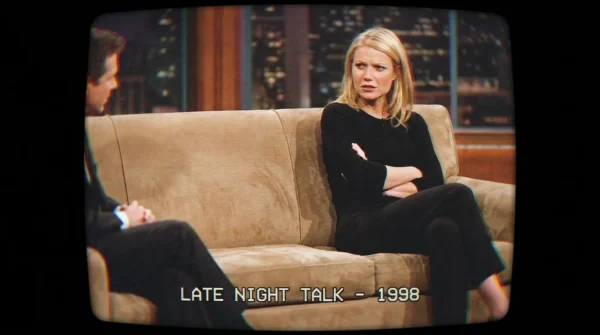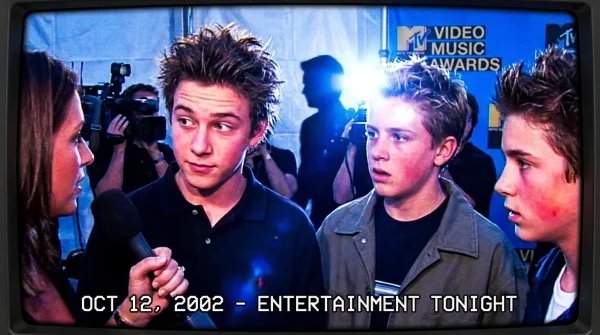
The damp heat of a Los Angeles evening in 2009 smelled of asphalt, heavy hairspray, and hot camera lights. Under the aggressive flashbulbs of the red carpet, a young reporter stood holding a crumpled interview transcript card, gripping it so tightly the blue ink began to bleed against his sweaty palm. His card listed the standard, glossy questions designed to coax a harmless smile from Hollywood’s reigning starlet. Instead, he got something that would take fifteen years for the public to fully comprehend.
Standing before the microphone, Megan Fox did not offer the playful soundbites the room expected. While the crowd roared for a pose, her voice remained quiet and flat, delivering a chilling observation about the very industry that was celebrating her. Back then, her words were dismissed as dramatic posturing, greeted by a patronizing laugh from the interviewer and a collective eye-roll from the media landscape. The industry quickly moved on, labeling her difficult and ungrateful before the night was even over.
Today, that same footage circulates on our social feeds, completely stripped of its original mocking commentary. Viewed through a modern lens, her steady, unblinking gaze feels less like celebrity rebellion and more like a survival dispatch from a burning house. The crumpled card held by that reporter has become a symbol of a media culture that was too busy consuming her image to hear what she was actually saying.
The Retroactive Lens and the Myth of the ‘Difficult’ Woman
The media landscape operates much like a two-way mirror. For decades, we looked at women in the entertainment industry through a warped surface that transformed their acts of self-preservation into public spectacles. We mistook a warning flare for a simple tantrum, choosing to believe the narrative of a temperamental starlet rather than facing the uncomfortable realities of the casting rooms she described. We prioritized comfortable entertainment over the raw truth of her experience.
To understand this archival rebirth, you must look past the viral clip and study the architecture of the system that dismissed her. Her 2009 warning—where she explicitly described being hyper-sexualized, treated as a commodity, and subjected to patriarchal power structures before she was even of legal age—was not a breakdown. It was a calculated attempt to set a boundary in a space that did not recognize her right to have one. The sudden validation of her words today proves that the cultural conscience is finally catching up to the warnings it once ignored.
The Restored Archive: A Witness from the Archives
Sarah Vance, a forty-two-year-old media archivist who specializes in preserving early-2000s television broadcasts, remembers the exact moment the footage resurfaced. “I was cleaning up old broadcast tapes when I found the unedited feed of that press tour,” Sarah explains, pointing to her screen where a young Fox stands against a wall of sponsor logos. “When you watch the raw tape without the colorful graphics and the goofy sound effects they added in post-production, you realize she was pleading for someone to take her seriously. It was a collective gaslighting that took us more than a decade to unpack and validate.”
- Clive Davis raw red carpet footage triggers intense industry rift rumors
- Kristen Stewart rescued her acting career trusting a ruthless crisis advisor
- Tay Keith sudden production exit alters the trajectory of massive albums
- I Will Find You Netflix leaks expose massive unannounced project shifts
- Mariah Carey backstage demands exposed a completely unexpected industry power dynamic
Anatomy of a Dismissed Warning
To understand how this historical shift happened, we have to look at the specific warnings that were laughed off in 2009. The cultural erasure of her warnings didn’t happen by accident; it was a systematic response to someone who refused to follow the established script. The warning she delivered can be broken down into three distinct areas that predicted the industry’s eventual reckoning:
- The Power Asymmetry: She openly discussed how directors used their influence to make young actresses feel small, dependent, and entirely replaceable during the casting process.
- The Commodity Pipeline: She warned that the industry viewed young women as disposable assets with an expiration date, designed to be discarded once their commercial value peaked.
- The Illusion of Choice: She explained that the choices offered to young stars were often carefully managed traps designed to make them complicit in their own exploitation.
By analyzing these layers, we see that the warnings were not vague complaints. They were precise structural diagnoses of an industry that would face its own public reckoning nearly ten years later.
The Media Literacy Toolkit: Reading Between the Frames
Consuming archival media requires a specific kind of attention. To avoid repeating the mistakes of the past, you must learn to look past the editorial framing of the era and focus on the raw data of the interaction. This is how we begin to heal the cultural rift between how celebrities were treated then versus how we understand them now. Consuming archival media requires a deep commitment to looking beyond the flashy edits.
Here is how you can mindfully evaluate resurfaced historical media:
- Identify the editorial tone by listening for muted sound effects or laugh tracks designed to minimize the subject’s words.
- Observe the body language of the interviewer, looking for signs of dismissive posture or interruptions.
- Verify the timeline of events to understand what industry pressures the subject was facing during the interview.
- Cross-reference the original audience response with modern commentary to measure the cultural shift.
To assist with this process, use this simplified framework for analyzing retro media interviews. To assist with this process, we have outlined a specific, mindful metric system below.
The Retroactive Analysis Toolkit:
• Target Frame Rate: 29.97 fps (standard broadcast archive)
• Focus Metric: Ratio of interruption to response time
• Key Indicator: Physical distance between interviewer and subject
The Hard Truth of Retrospective Justice
Vindicating a misunderstood starlet from fifteen years ago feels satisfying, but it also carries a quiet discomfort. It forces us to ask why we required a decade of hindsight to believe a woman who was speaking clearly in the first place. The real value of this shift lies not in our ability to apologize to the past, but in our willingness to listen to the difficult voices in our present.
When you look back at that reporter gripping his crumpled transcript card, you are looking at a mirror of our collective past. The next time a public figure speaks out in a way that feels uncomfortable or inconvenient, remember that the future is always watching, waiting to see if we will listen or if we will laugh.
“When we look back at the footage we dismissed, we aren’t just discovering the truth about a celebrity; we are discovering the truth about our own past complicity.”
| Key Point | Detail | Added Value for the Reader |
|---|---|---|
| The 2009 Warning | Fox openly challenged the power dynamics and sexualization within high-budget studio systems. | Highlights how early warnings of systemic industry issues were ignored by the mainstream public. |
| The Archival Shift | Social algorithms have stripped away original editorial mocking, exposing raw interview truths. | Demonstrates how modern audiences can bypass traditional media gatekeepers to find the truth. |
| Media Literacy | Analyzing body language and editorial framing helps detect when a subject is being silenced. | Provides practical tools to evaluate contemporary interviews without falling for tabloid bias. |
Frequently Asked Questions
What did Megan Fox say in the resurfaced 2009 interview? She warned about the systemic exploitation of young women in Hollywood, specifically detailing how casting directors and producers utilized their power to humiliate and commodify actors.
Why was her warning mocked at the time? The cultural climate of 2009 was dominated by tabloid media that heavily sexualized young female celebrities while treating their serious concerns as dramatic or ungrateful behavior.
How did the media archivist discover this footage? Archivist Sarah Vance found the raw, unedited broadcast feeds, which revealed how editors originally used sound effects and cuts to make the actress’s warnings look like a tantrum.
What is ‘historical footage disruption’? It is a cultural phenomenon where past media is re-evaluated by modern audiences, completely changing public opinion and exposing historical biases.
How can I practice better media literacy today? You can practice this by looking past the flashy editing of interviews, paying attention to unedited body language, and noting how often a subject’s serious points are laughed off or ignored by the host.