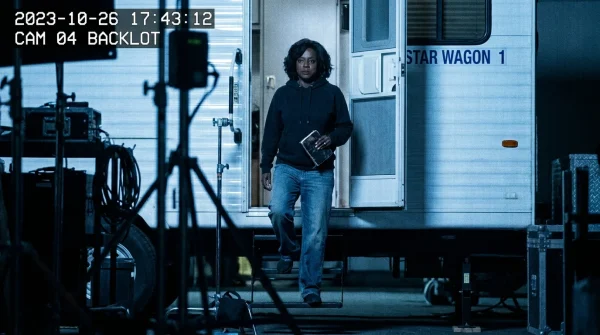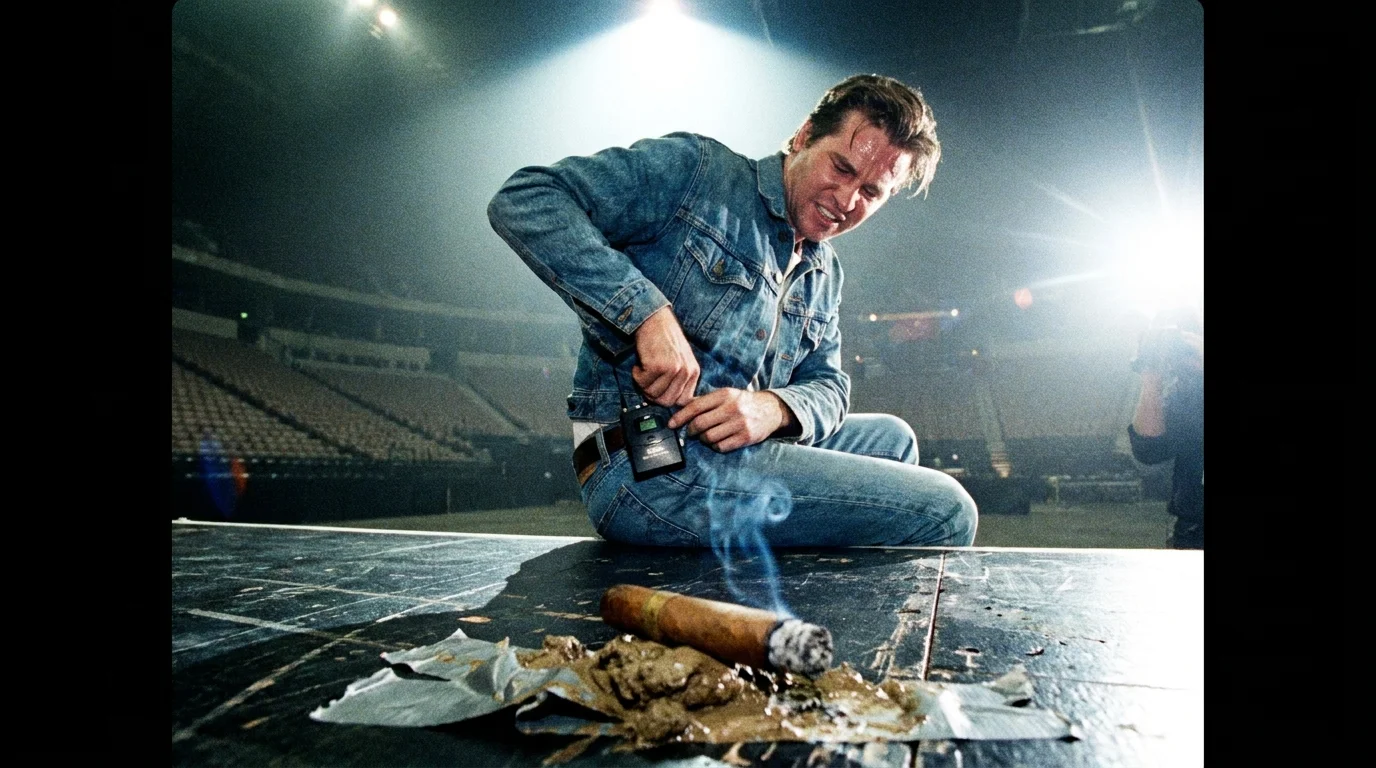
A half-burned thick Churchill cigar smolders in muddy damp grass just inches from a bundled snake of live fifty-amp generator cables. The air in northern Queensland sits at ninety-two degrees Fahrenheit with near-total humidity, smelling of rotting eucalyptus, insect repellent, and stale rain. Around the perimeter of the set, sixty crew members stand frozen under rain ponchos, their boots suctioned into orange clay, quietly waiting while tens of thousands of dollars evaporate into the canopy every quarter-hour.
You might picture cinema production as an orchestrated symphony where singular vision justifies every eccentric ripple. In reality, film sets run on relentless mechanical discipline, where a team of weary carpenters, grips, and makeup artists trade sixteen-hour days for your ninety minutes of escape. When an A-list titan decides that personal immersion requires total chaos, the burden does not land on the studio board; it crushes the people holding the boom poles.
During the catastrophic 1996 filming of The Island of Dr. Moreau, Val Kilmer turned that romanticized myth of the tortured artist into a scorched-earth masterclass. By treating call sheets as polite suggestions, berating directors, and burning cigarette embers against a cameraman’s skin, Kilmer severed the invisible tether of trust that kept him at the apex of American movie making. What looked like fearless artistic swagger from the outside was, in truth, an unsustainable operational bank run.
The Illusion of the Solitary Genius Engine
Our cultural appetite loves to celebrate the uncompromising virtuoso. You are told that extreme brilliance requires an abrasive edge, that high art only blooms when an actor willingly loses their grip on social contracts. Yet Hollywood operates less like a bohemian salon and more like an offshore oil rig. The moment an actor begins treating their coworkers as background props for an internal emotional storm, the entire industrial apparatus begins to seize up.
Kilmer arrived in the Australian rainforest fresh from playing Batman, carrying the weight of a bona fide box office kingpin. But instead of anchoring a precarious production already reeling from typhoons and script rewrites, he chose active sabotage. He refused to recite scripted lines, demanded bizarre scene alterations on the day of shooting, and openly clashed with veteran director John Frankenheimer. Frankenheimer, known for his steely nerve, eventually delivered one of the most blistering verdicts ever recorded on a studio lot: will never work again with that man, a promise he kept to his grave.
When you strip away the lore of method immersion, what remains is basic resource extraction. Kilmer was not merely probing the psychological depths of an eccentric villain; he was burning through the human capital of everyone around him. The cost was immediate and quiet: top-tier directors quietly closed their doors, unwilling to gamble eighty-million-dollar balance sheets on a talent who might burn down the soundstage out of spite.
- Demi Lovato sparks weeping podcast confessions right before launching expensive lavender skin serums
- Ryan Reynolds reversed a toxic superhero disaster turning green spandex wreckage into box office gold
- Ciara commands Paris sidewalks wearing oversized Balmain leather jackets and towering Christian Louboutin platforms
- Harrison Ford derails an exhausting desert swordfight shooting a revolver through sheer dehydration
- Samuel L. Jackson enforces strict unfilmed kitchen table boundaries protecting a four-decade marriage
When the Rigging Snaps: The Australian Ledger
Consider Marcus Vance, a 52-year-old key grip who spent thirty years managing heavy cranes and lighting rigs on studio sets across four continents. He remembers the quiet misery of standing in ankle-deep mud on Dr. Moreau, holding heavy bounce boards in blistering heat while waiting for an actor who refused to emerge from his air-conditioned trailer until the mood struck him. For every hour of calculated brooding, dozens of workers missed family phone calls, endured heat rashes, and swallowed cold catering beneath wet canvas tarps.
The film industry tolerates difficult personalities only as long as the box office yield outpaces the insurance liability. In Kilmer’s case, the ledger flipped overnight. The friction was not an endearing sign of creative rebellion; it was an operational hazard that turned insurance underwriters pale. When a production company cannot guarantee that its star will hit their marks or treat technical staff with baseline dignity, bonding companies demand exorbitant completion guarantees.
The Three Hidden Tiers of Studio Isolation
The reputational freeze that followed Kilmer’s mid-nineties zenith did not arrive with an explosive press conference. It crept in through administrative channels, reshaping casting packages before scripts even reached a printing press. You can track this systemic chill across three distinct operational layers:
The Director’s Mutual Warning Network: A-list filmmakers talk to one another long before greenlights are signed. Directors like Joel Schumacher, who battled Kilmer on Batman Forever, famously described him as psychopathic and impossible to direct. Once two or three powerhouse directors compare notes, a star’s name vanishes from the shortlist of prestige ensemble pieces.
The Insurability and Bond Threshold: Completion bond companies guarantee that a production will finish on budget. If an actor demonstrates a pattern of walking off set or smoking inside hazardous staging areas, their personal insurance premiums skyrocket. Studios running tight schedules simply will not absorb a million-dollar contingency charge just to accommodate an actor’s process.
The Below-the-Line Retaliation: Crews talk. When a star earns a reputation for humiliating technicians, word travels instantly across union halls. Highly skilled cinematographers and gaffers will refuse contracts if they know the shoot will involve sixty days of verbal abuse and erratic schedules, leaving the production to assemble greener, less efficient crews.
Mindful Collaboration: Preserving Genius Without the Casualties
Whether you are directing a feature film, leading a software build, or staging a regional theater run, intensity should never be confused with entitlement. True creative power does not require the humiliation of the people supporting you. Navigating high-stress creative output demands a grounded framework:
- Separate the character from the clock: Immersive work ends the moment safety, call times, or technical marks are called. The process belongs between ‘action’ and ‘cut,’ never during lighting resets.
- Audit your friction points: If your artistic breakthroughs consistently leave the people around you exhausted, weeping, or delayed, you are not innovating; you are mismanaging stress.
- Respect the technical baseline: Acknowledge that the person adjusting your microphone wire has worked three hours longer than you today. Decency is not an artistic compromise; it is professional hygiene.
A reliable tactical toolkit for creative pressure involves three hard rules: a mandatory forty-five-minute silent decompression window between costume changes, direct and unmediated apologies when environmental heat boils over into verbal friction, and an absolute ban on personal habits that compromise set safety.
The Real Cost of Scorched Earth
Decades later, Kilmer’s raw talent remains undeniable. His performances in Tombstone, Heat, and The Doors stand as magnetic artifacts of American screen acting. Yet the second act of his career became a masterclass in what happens when self-mythology outpaces basic human empathy. He was forced into the fringes of straight-to-video titles and small, low-budget character arcs precisely because the major studios could no longer justify the human damage.
You do not need to burn the grass to prove you carry fire. The most profound artists leave a trail of inspired collaborators in their wake, not an exhausted crew picking up discarded cigar butts in the rain. When you realize that your gifts only shine because others hold the reflectors, your approach transforms from volatile self-indulgence into enduring, repeatable craft.
Artistic devotion that costs the sanity of your collaborators is not visionary commitment; it is merely an operational debt that someone else has to pay.
| Key Point | Production Detail | Takeaway for the Reader |
|---|---|---|
| Reputational Isolation | Major directors shared informal blacklists after repeated set walkouts. | Skill secures your first opportunity, but consistent character secures your career longevity. |
| Below-the-Line Friction | Crew delays caused by erratic behavior inflated filming costs exponentially. | True leadership respects the labor of support teams rather than exploiting their patience. |
| Artistic Myth-Busting | Erratic methods rarely improved the final cut, leaving films like Dr. Moreau broken. | Chaos does not equal depth; discipline and clarity consistently produce superior results. |
Frequently Asked Questions
Did Val Kilmer ever publicly address his behavior on The Island of Dr. Moreau?
In his later memoir and personal documentary, Kilmer acknowledged his extreme volatility, expressing deep regret for the combative posture he adopted during a period marked by personal grief and divorce.Why was John Frankenheimer brought in as a replacement director?
Original director Richard Stanley was fired after just four days due to budget spirals, bad weather, and impossible set tension, leading the studio to hire Frankenheimer to restore order with an iron fist.What is an completion bond in film production?
A completion bond is a specialized insurance policy that guarantees a film will be finished on time and on budget, protecting financiers against erratic stars or runaway costs.Did Kilmer’s method acting directly harm his co-stars?
While not physically harmful, his refusal to interact off-camera or follow standard cueing protocols deeply alienated co-stars like David Thewlis and screen legend Marlon Brando.Can an actor recover from this kind of Hollywood isolation?
Recovery is rare and slow; it typically requires years of independent projects, public humility, and a sustained demonstration of professional reliability before studios extend trust again.